





The Call of the Open Road
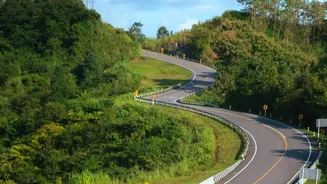
The allure is undeniable. Whether it's the legendary Manali-Leh highway, the spiritual circuit of the Char Dham Yatra, or the misty roads leading to Shimla or Ooty, these journeys are rites of passage for many Indian travellers. The promise of escaping
city heat, finding serenity, and capturing stunning photos for social media drives thousands to these destinations, especially during peak seasons. Viral videos and travel blogs paint a picture of freedom and adventure against a backdrop of majestic peaks and pristine valleys. This dream of the ultimate road trip has turned many of these routes into bucket-list destinations, symbols of exploration and escape from the everyday grind.
The Lifeline You Don't See
Beneath the surface of leisure travel, these roads serve a far more critical purpose. For the villages and towns dotted along these high-altitude corridors, this single strip of tarmac is not a choice but a necessity. It is the only artery for transporting essential supplies like food, medicine, and cooking gas. It’s the path children take to get to school and the route an ambulance must navigate during a medical emergency. In border regions like Ladakh and Himachal Pradesh, these highways are also of strategic importance, used for moving military personnel and supplies. A traffic jam caused by tourist vehicles can mean a delay in critical supplies, a student missing an exam, or a patient failing to reach a hospital in time. When a visitor sees a scenic route, a local often sees their only connection to the outside world.
When Leisure Meets Livelihood
The friction between leisure and livelihood becomes painfully obvious during peak tourist season. In places like Manali and Mussoorie, massive traffic jams stretching for kilometres have become a recurring nightmare. These gridlocks are often caused by the sheer volume of vehicles on roads that were never designed for such capacity. Tourists stopping their cars in the middle of narrow roads to click photos, inexperienced drivers struggling with mountain terrain, and illegal off-roading in ecologically sensitive areas like Ladakh are common sights. These actions don't just frustrate other travellers; they severely disrupt the lives of locals who depend on these routes for their daily work and survival. The very infrastructure that supports their existence becomes choked by the pursuit of recreation.
The Fragility of the Hills
The Himalayas are an ecologically fragile region, and the surge in vehicle-based tourism adds immense pressure. These routes are frequently affected by natural events like landslides and flash floods, which can shut them down for days. The problem is often compounded by monsoon rains or heavy snowfall, which can leave hundreds of vehicles and their occupants stranded, as has been seen repeatedly on the Manali and Char Dham routes. Authorities often have to suspend travel for safety, highlighting the vulnerability of these mountain passes. The constant traffic also contributes to air and noise pollution, and the waste left behind by tourists poses a significant threat to the local environment, contaminating water sources and harming wildlife.
How to Be a More Mindful Traveller
Being part of the solution is simpler than it seems. It starts with a shift in perspective—from being a consumer of a view to being a guest in a shared space. Before your trip, research the local conditions and be prepared for delays. If possible, travel during the shoulder seasons to avoid the biggest crowds. On the road, practice patience. Never stop in the middle of the road for photos; find a safe, designated pull-over spot. If a local driver is behind you, give way when it's safe to do so—their journey is likely not for leisure. If you are not confident driving in the mountains, hire a local driver who knows the terrain and etiquette. Finally, follow the cardinal rule of the outdoors: leave no trace. Carry your waste back with you and respect the pristine environment you came to enjoy.