







Location, Lifestyle, and Community
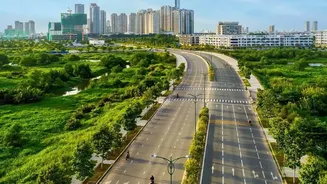
The most significant difference often lies in the address. New projects are frequently located in developing peripheral areas or suburbs like Panvel and Thane. These offer the promise of integrated townships with modern infrastructure, but it might take
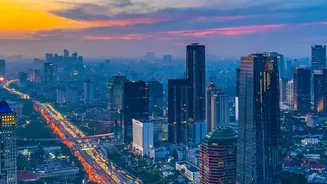
years for the surrounding social fabric—schools, full-scale markets, and extensive public transport—to fully mature. In contrast, redevelopment projects are, by definition, located in older, well-established parts of the city. These areas boast ready access to schools, hospitals, and local markets. For buyers, this means choosing between the self-contained ecosystem of a new township and the vibrant, pre-existing community of a central neighbourhood.
Cost, Carpet Area, and Hidden Charges
On the surface, new projects might appear more affordable, often advertised at a lower base price per square foot. However, buyers should factor in additional costs like GST, floor rise charges, and development charges. Redevelopment properties, especially those purchased from new buyers (not the original tenants), might have a higher entry price. But they also offer a unique proposition: buying an older, smaller flat in a building slated for redevelopment can be a strategic entry into a prime area, with the promise of a larger, brand-new apartment in a few years. It's crucial to compare the final 'carpet area' you get for your money, as modern construction often features more efficient layouts.
Amenities and Modern Comforts
New construction projects almost always win on the amenities front. Developers use swimming pools, state-of-the-art gyms, clubhouses, and landscaped gardens as major selling points. Redeveloped buildings, constrained by the size of the original plot, usually offer more basic facilities like secure parking, new elevators, and perhaps a small community hall. While a new project offers a resort-like lifestyle, a redeveloped home provides modern internal specifications within a familiar setting. The trade-off is clear: a wealth of shared luxuries versus the core comforts of a new home in a prime location.
Legal Due Diligence and Execution Risk
This is where the comparison gets critical. New projects by reputed builders, registered under the Maharashtra Real Estate Regulatory Authority (MahaRERA), offer a high degree of transparency and security. The developer is bound by timelines, and 70% of the funds are kept in an escrow account, minimising the risk of funds being diverted. Redevelopment projects carry a higher inherent risk. Delays are common, stemming from disputes between the developer and society members, approval hurdles, or the developer's financial instability. For a homebuyer, it is absolutely essential to verify the project's MahaRERA registration, the Development Agreement between the society and builder, and the builder's track record of completed projects. Checking for a clear property title and all approvals like the Commencement Certificate (CC) is non-negotiable for both, but requires extra scrutiny in redevelopment.
Investment Potential and Long-Term Value
Both options offer strong but different investment cases. A property in a new project, especially in a developing corridor, can see significant capital appreciation as infrastructure projects like new metro lines and highways become operational. For redeveloped properties, the value is anchored in their prime location. These homes tend to hold their value steadily and offer good rental yields due to their centrality. Recent market trends show that sales in redevelopment projects are now outpacing new launches in Mumbai for the first time, signaling strong buyer confidence in owning a new asset in an old, coveted pin code. The choice depends on your investment horizon: betting on future infrastructure growth versus banking on the sustained value of an established location.