



The End of the Flatly-Lit Room
For decades, lighting in many Indian homes was a simple affair: one central fixture, usually a tube light or a single bulb, was tasked with illuminating an entire room. While functional, this approach often creates a flat, harsh environment with stark
shadows and little to no ambiance. Today, interior design is shifting towards a more thoughtful and dynamic method known as 'layered lighting'. This design principle involves using multiple light sources at different heights and intensities to build warmth, depth, and character. The goal is to create a flexible space that can adapt to different moods and activities, from a brightly-lit family gathering to a cozy, relaxed evening.
Understanding the Three Layers of Light
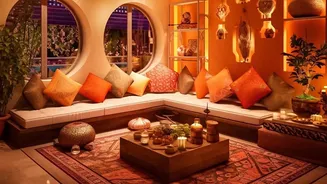
Layered lighting is built on three distinct types of illumination that work together. First is 'ambient' light, the general, overall glow that replaces natural daylight and allows you to navigate a room safely. This can come from a chandelier, recessed ceiling lights, or coves. Next is 'task' lighting, which provides focused light for specific activities like reading, cooking, or working. Think of a desk lamp, under-cabinet lights in the kitchen, or pendants over a dining table. The final layer is 'accent' lighting, which adds drama and visual interest by highlighting specific features like artwork, plants, or architectural details. By combining these three, you create a rich, inviting atmosphere that a single overhead light can never achieve.
Pendant Lights: The Stylish Focal Point
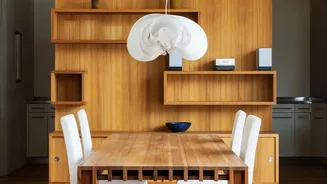
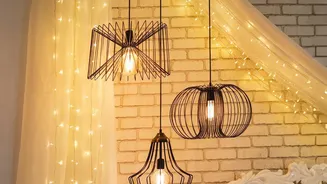
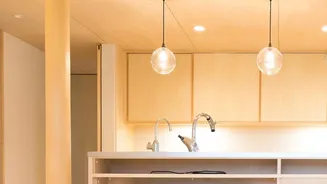
Pendant lights, which hang from the ceiling by a cord or chain, have become a go-to fixture in modern Indian homes. They are incredibly versatile, serving as both decorative statements and functional task lights. Hung in a cluster over a dining table or as a single statement piece over a kitchen island, pendants provide direct illumination while also acting as a central design element. Current trends in India show a love for pendants made from natural materials like cane and terracotta, as well as minimalist metal designs and artistic, geometric shapes. They are an easy way to add a touch of modern elegance and define a specific zone within an open-plan living area.
Wall Lights: The Space-Saving Ambiance Creator
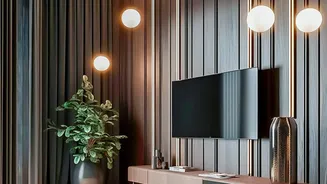
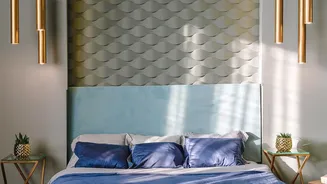
Wall lights, or sconces, are no longer just for hallways or bathrooms. They have become essential for adding a soft, ambient layer of light in living rooms and bedrooms. One of the biggest advantages of wall lights is that they save precious floor and table space, making them ideal for smaller urban apartments. Used in pairs to flank a piece of art, a mirror, or a headboard, they create a sense of symmetry and hotel-like luxury. Modern up-and-down sconces can create dramatic light and shadow effects, adding architectural depth to a plain wall. Finishes like matte black and warm gold are particularly popular, adding a touch of contemporary refinement.
Lamps: The Ultimate Flexible Friend
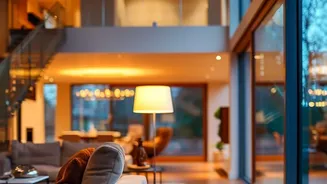
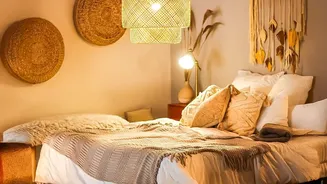
Perhaps the easiest entry point into layered lighting is through floor and table lamps. Requiring no wiring, they offer maximum flexibility and are perfect for renters. A tall floor lamp can illuminate a dark corner, instantly making the room feel larger, while a stylish table lamp on a side table provides the perfect warm glow for a reading nook or a relaxed conversation area. Designer table lamps with textured shades or bases made of marble or metal are trending, acting as decorative objects even when switched off. They allow you to add pools of warm, intimate light exactly where you need them, creating cozy, inviting pockets within a larger room.