






The End of a Fortunate Streak
For a nation where the monsoon is often called the 'real finance minister', consistency is key. From 2020 to 2022, India enjoyed three consecutive years where the monsoon delivered rainfall that was either 'normal' or 'above-normal'. This blessed period
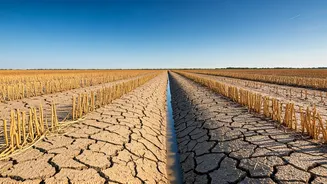
bolstered agricultural output, kept reservoirs full, and helped maintain stable food prices. However, the 2023 season brought this run to an abrupt end. The India Meteorological Department (IMD) confirmed that seasonal rainfall for the country as a whole was 94% of its Long Period Average (LPA). While this may sound close to normal, anything between 90% and 95% of the LPA is officially classified as 'below-normal', signalling a deficit with tangible consequences.
The Culprit: A Strong El Niño
The primary cause for the subdued monsoon was the development of El Niño, a climate pattern characterised by the unusual warming of surface waters in the eastern Pacific Ocean. Think of it as a massive atmospheric disruption that alters weather patterns globally. For India, El Niño typically means weaker monsoon winds and suppressed rainfall. Its impact in 2023 was stark and severe. August, a critical month for crop growth, became the driest in over a century, with a staggering 36% rainfall deficit. While a positive Indian Ocean Dipole (IOD)—a sort of counterpart to El Niño—helped trigger a late-season revival in September, it wasn’t enough to compensate for the massive shortfall experienced mid-season.
A Tale of Two Monsoons
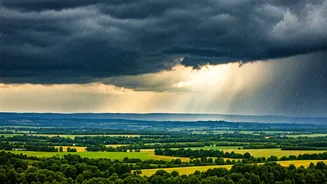
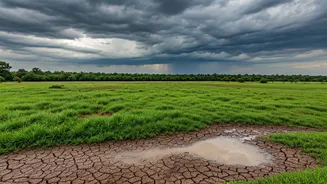
The national average of 94% hides a more complex and troubling story of erratic distribution. While some parts of Northwest India saw floods and record-breaking deluges early in the season, other crucial agricultural belts experienced drought-like conditions. States like Bihar, Jharkhand, and large parts of southern and eastern India faced significant rainfall deficits. This uneven spread is just as damaging as a nationwide shortfall. It means that while one region battles floods, another struggles with saving standing crops, stressing resources and creating localised crises that don't show up in the national average.
Impact on the Fields and Farms
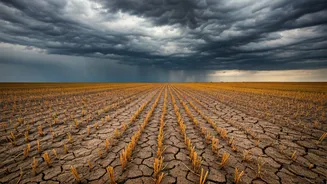
The immediate and most direct impact of a weak monsoon is felt in agriculture. The season is critical for India's kharif (summer) crops, which include staples like rice, pulses, oilseeds, and coarse cereals. The dry spell in August directly threatened the sowing and growth of these crops. While late rains helped salvage some of the situation, concerns remain over final crop yields and quality. Lower production of pulses and oilseeds could lead to increased imports and higher prices. For millions of farmers dependent on rain-fed agriculture, a below-normal monsoon translates directly into lower incomes and increased financial distress, which in turn dampens rural demand across the economy.
The Ripple Effect on the Economy
The monsoon's influence extends far beyond the farm. Agriculture contributes about 15% to India's GDP but provides a livelihood for nearly half its population. A poor monsoon has a domino effect. It can stoke food inflation, forcing the Reserve Bank of India to maintain a hawkish stance on interest rates. Lower reservoir levels impact not only drinking water supply for major cities but also hydroelectric power generation. As rural incomes stagnate or fall, demand for goods ranging from tractors to consumer products weakens, acting as a drag on overall economic growth. The 2023 monsoon is a stark reminder of this deep-seated link between weather patterns and national economic health.