






The Hidden Dangers of Your Desk Chair
Spending eight or more hours a day sitting down does more than just make you stiff. This prolonged sedentary behaviour is linked to a host of health problems. The risks include weight gain and obesity, cardiovascular diseases, type 2 diabetes, and various
musculoskeletal issues, particularly in the lower back, neck, and shoulders. Studies have shown that even regular gym-goers aren't immune to the negative effects of sitting all day if they don't incorporate movement throughout their work schedule. Prolonged sitting can slow your metabolism and lead to poor posture as your hip flexor muscles shorten and tighten. It has even been associated with increased anxiety and depression, earning it the nickname "the new smoking".
The Solution: High-Intensity Interval Training (HIIT)
High-Intensity Interval Training, or HIIT, is a workout style that packs a major punch in a short amount of time. The concept is simple: you alternate between short, all-out bursts of intense exercise and brief periods of rest or lower-intensity movement. A typical HIIT session might last only 15 to 30 minutes, making it perfect for a busy schedule. The benefits are significant. HIIT is incredibly effective for burning calories, and it triggers an "afterburn effect" where your metabolism stays elevated for hours after the workout is over. It improves cardiovascular health, can help preserve muscle mass during weight loss, and is a powerful stress reliever. Examples of HIIT exercises include burpees, sprints, jump squats, and mountain climbers.
The Alternative: Low-Intensity Steady-State (LISS)
If the idea of an all-out sprint sounds daunting, there’s a highly effective alternative: Low-Intensity Steady-State, or LISS. This form of cardio involves maintaining a consistent, moderate pace for a longer duration, typically 30 to 60 minutes. During a LISS workout, your heart rate should stay at around 50-70% of its maximum. Think of activities like brisk walking, jogging, cycling at a steady pace, or using an elliptical machine. LISS is excellent for building endurance, improving your body's ability to use fat for fuel, and enhancing cardiovascular health. Because it's low-impact, it's much easier on the joints, making it a fantastic option for beginners, those recovering from injury, or anyone who prefers a more meditative and less stressful form of exercise.
HIIT vs. LISS: Which Is Right for You?
There's no single best answer; the ideal choice depends entirely on your fitness level, goals, and personal preferences. HIIT is the winner for time efficiency, delivering maximum benefits in minimal time. It's great for those who want to burn a lot of calories quickly and enjoy a challenging, high-energy workout. However, its high-impact nature can be tough on the body and may require more recovery time. LISS, on the other hand, is gentler and more accessible for all fitness levels. It's perfect for active recovery days, helps build a solid fitness base, and can be more sustainable in the long run for people who dislike high-intensity exercise. Many fitness experts suggest a balanced approach, incorporating two to three HIIT sessions and two to three LISS sessions into your weekly routine to get the benefits of both.
Putting It All into Practice
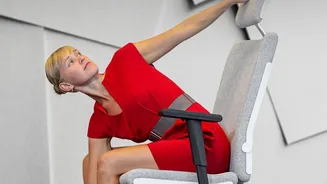
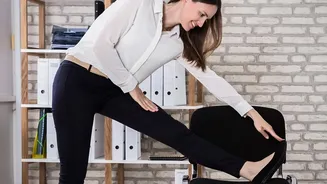
The best workout is the one you actually do consistently. To combat the effects of your desk job, aim for a routine you can stick with. If you're new to exercise, starting with LISS three times a week is a great way to build a foundation. If you're short on time, try scheduling two 20-minute HIIT sessions during the week. You can also combine them, using LISS for longer weekend sessions and HIIT for quick weekday workouts. Don't forget to incorporate more movement into your workday as well. Set a timer to get up and stretch every hour. Try simple desk exercises like calf raises, spinal twists, or chair squats. Taking walking breaks during lunch or having a walking meeting can also make a significant difference in breaking up long periods of sitting.