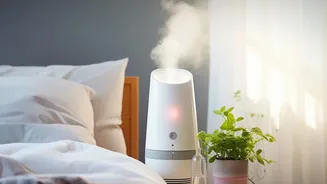







Why Humidity Disrupts Your Sleep
High humidity sabotages your body's natural cooling system. Normally, you cool down through the evaporation of sweat. But when the air is already saturated with water vapour, sweat can't evaporate efficiently. This traps heat close to your body, leading
to that clammy, overheated feeling that causes tossing and turning. Studies show that high humidity can increase wakefulness and reduce the time spent in the most restorative stages of sleep: deep sleep and REM sleep. Beyond discomfort, a humid environment is a breeding ground for allergens like mould and dust mites, which can thrive in damp mattresses and pillows, potentially triggering allergies and respiratory issues that further disrupt rest.
Your Mattress: The Foundation for a Cool Night
Your mattress can either be a heat trap or a breathable haven. Many traditional memory foam mattresses are known for retaining body heat, which can feel stifling in humid conditions. For better airflow, consider these materials: Innerspring and hybrid mattresses are excellent choices because the coil systems allow air to circulate freely throughout the mattress core, preventing heat buildup. Natural latex is another highly breathable option, often designed with pinholes for enhanced ventilation. Modern memory foam options have also improved, with many now infused with cooling gel or graphite to draw heat away from the body. When shopping, look for terms like "open-cell structure" or "enhanced airflow," as these indicate a design focused on temperature regulation.
Choosing Breathable, Moisture-Wicking Bedding
The right sheets and duvet can make a world of difference. The key is to look for fabrics that are both breathable and moisture-wicking. Breathability allows air to pass through, while moisture-wicking fabrics pull sweat away from your skin to the surface of the fabric, where it can evaporate. Natural fibres are often superior. Linen is a top performer, known for its exceptional airflow and ability to wick away moisture. Cotton, especially in a crisp percale weave, is another lightweight and breathable choice. Plant-based fabrics like Tencel (lyocell) and bamboo are also fantastic options; they are silky-smooth, highly effective at managing moisture, and feel cool to the touch. Avoid synthetic materials like polyester or microfiber, which tend to trap heat and moisture, creating a swampy sleep environment.
Beyond the Bed: Improving Your Room's Climate
Controlling your bedroom's environment is just as crucial as your bedding. The ideal humidity level for sleeping is between 40% and 60%. A dehumidifier is the most direct way to remove excess moisture from the air. Using an air conditioner also helps, as it naturally dehumidifies while it cools. Simple fans—whether ceiling or portable—can also provide significant relief by circulating air, which aids in sweat evaporation and makes you feel cooler. Strategic ventilation is key; keep windows closed during the hottest, most humid parts of the day, and open them in the morning or evening when the air is cooler and drier to allow for fresh air exchange. This simple practice can dramatically improve indoor air quality and sleep comfort.
Simple Habits for Less Sticky Nights
A few small adjustments to your routine can further combat the effects of humidity. Taking a lukewarm or cool shower before bed can help lower your body temperature, making it easier to drift off. Avoid activities that add moisture to your indoor air in the hours before bed, such as drying laundry inside or taking long, hot showers without using an exhaust fan. Even the number of houseplants in your bedroom can contribute to humidity levels. Choosing lightweight, loose-fitting sleepwear made from the same breathable fabrics as your sheets, like cotton or Tencel, can also enhance comfort and airflow.