


Backpack and Rain Protection
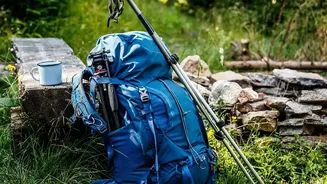
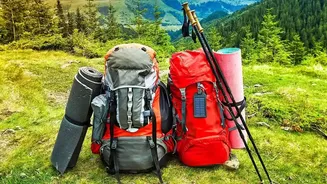
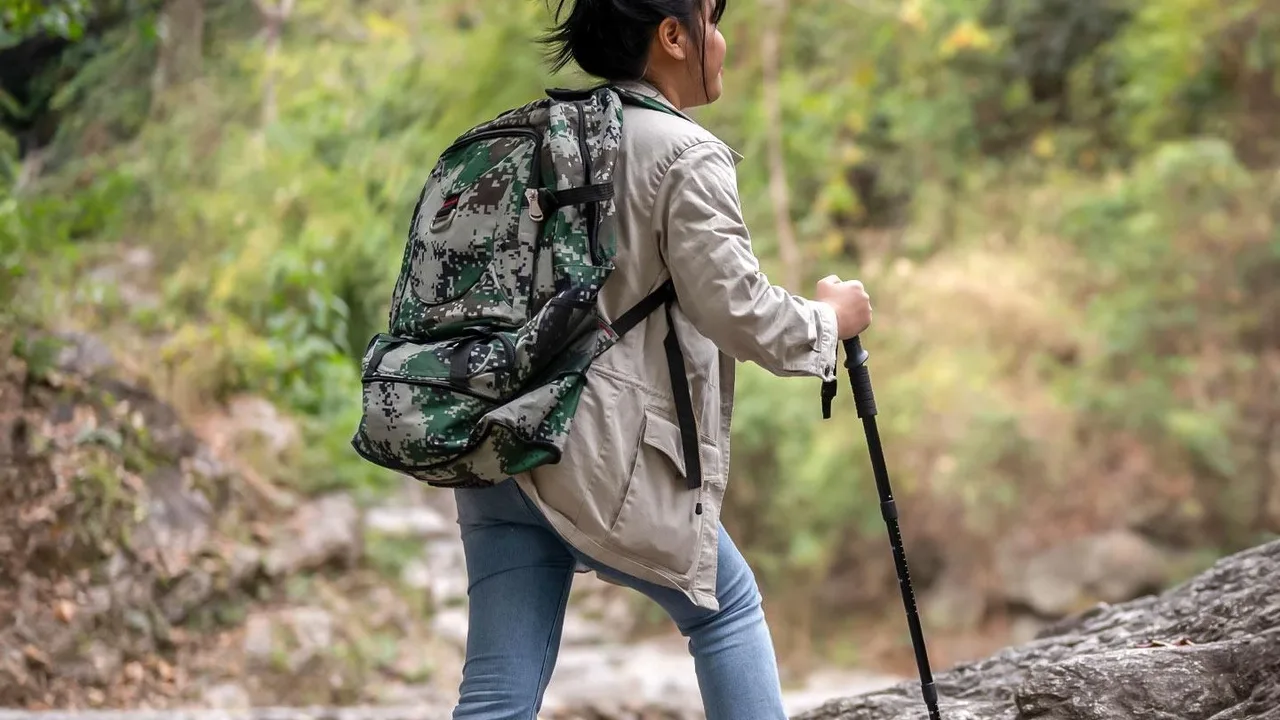
Your backpack is your home on the trail, and keeping its contents dry is non-negotiable. Most backpacks are water-resistant, not fully waterproof, meaning they can handle a light shower but will soak through in sustained rain. The solution is a two-part
system: an external rain cover that fits snugly over your pack and internal dry bags. Use a large waterproof liner or bag inside your main compartment for clothes. Then, use smaller zip-lock bags or dedicated dry bags for electronics, your first-aid kit, and important documents. This layering system ensures that even if you take a tumble into a stream, your critical gear remains dry.
The Right Clothing: Think Quick-Dry
The golden rule of monsoon trekking is to avoid cotton at all costs. Cotton absorbs moisture, takes hours to dry, and can leave you feeling cold and damp, increasing the risk of hypothermia. Instead, opt for synthetic fabrics like polyester or nylon for your t-shirts and trekking pants. Pack two or three quick-dry t-shirts (a mix of full and half sleeves) and at least two pairs of quick-dry trekking pants. While it might be raining, a breathable fleece jacket or a light sweater is essential for the evenings when temperatures can drop unexpectedly. Always keep one complete set of dry clothes sealed in a waterproof bag to change into at camp.
Essential Rain Gear
A high-quality rain jacket or poncho is an absolute must. Look for one that is not only waterproof but also breathable. A jacket that doesn't breathe will trap sweat, leaving you just as wet from the inside as you would be from the rain. Full-length rain pants are also a great addition, providing complete protection during a downpour. This outer shell is your primary defence against the elements, allowing you to trek comfortably even when it's raining heavily.
Footwear: Grip is Everything
Monsoon trails are notoriously slippery, muddy, and uneven. Your choice of footwear can make or break your trek. Invest in a pair of trekking shoes with deep grooves and excellent grip to provide traction on wet rocks and slush. While waterproof shoes sound ideal, many experienced trekkers advise that in constant rain, water will eventually seep in over the top. An alternative is a water-resistant, quick-draining shoe paired with waterproof socks. Regardless of your choice, make sure you break in your shoes before the trek to avoid painful blisters. Also, pack a few extra pairs of socks to keep your feet as dry as possible.
Safety and First-Aid Kit
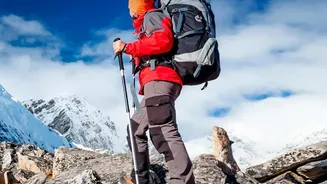
A well-stocked first-aid kit is crucial. Your kit should include antiseptic wipes, bandages for cuts and blisters, pain relievers, and any personal medications. The monsoon brings out leeches in forested areas, so carrying a small pouch of salt or a sanitiser can help in removing them. Insect repellent is also highly recommended. Trekking poles are another essential safety item. They provide extra stability on slippery descents, help you balance during stream crossings, and reduce the strain on your knees.
Snacks, Hydration, and Other Essentials
Trekking burns a lot of energy, so pack high-energy snacks like nuts, dry fruits, and energy bars to keep you going between meals. Staying hydrated is equally important; carry a reusable water bottle and, if possible, a water-purifying tablet or filter. A headlamp or a torch is essential, especially if your trek involves starting early or finishing late. Don't forget to carry a power bank in a waterproof bag to keep your phone and other devices charged.