







Beyond 'Farm-to-Table'
For years, the pinnacle of fine dining in India often meant showcasing foreign ingredients. A drizzle of Italian olive oil, a shaving of French truffle, or a sprinkle of Peruvian quinoa were badges of sophistication. But a powerful shift is underway.
The hottest trend in Indian cuisine isn't an import; it's an rediscovery. We're talking about a hyper-regional movement where chefs are acting as culinary archaeologists, unearthing unique ingredients from the diverse corners of the subcontinent. This goes beyond the simple 'farm-to-table' concept. It’s about celebrating the specific, the local, and the ingredients that tell a story about a particular place and its people. It's a confident declaration that the treasures of the Indian pantry are second to none.
The Rise of the Ingredient-Forward Menu
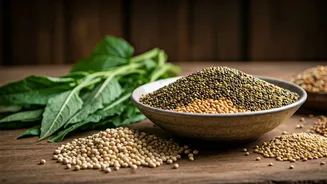
So, what does this look like on a plate? It’s a menu that proudly name-checks its sources. Think dishes built around 'Bandel cheese' from West Bengal, a salty, smoky cheese with Portuguese origins, or cocktails infused with the intoxicating aroma of the 'Gondhoraj lebu', a fragrant lime from the same state. You might find a curry spiced not with generic red chilli, but with the floral, numbing heat of 'Timur pepper' foraged from the Himalayas. Restaurants like the celebrated The Bombay Canteen in Mumbai built their reputation on this philosophy, scouring the country for produce like 'ponkh' (tender jowar) from Gujarat or 'ambemohar' rice from Maharashtra. This isn't just about flavour; it's about context. Chefs are actively seeking out farmers and small-scale producers, creating a direct link between the land and the dining table. This commitment to sourcing gives each dish a distinct identity and a narrative that diners find compelling.
A Story in Every Bite
The appeal of this trend is multi-layered. For foodies, it offers the thrill of discovery. Tasting an ingredient for the first time that has been part of a regional diet for centuries is a unique experience. It connects them to the rich tapestry of India's culinary heritage in a way a generic globalised menu cannot. There's also a powerful element of pride and identity. By championing local ingredients, these chefs are helping to preserve culinary biodiversity and traditions that might otherwise be lost. Furthermore, this movement is inherently more sustainable. Sourcing locally reduces the carbon footprint associated with importing ingredients from across the globe. It also provides a vital economic boost to local farmers and artisanal producers, ensuring their skills and knowledge are valued and sustained for future generations. Diners are no longer just consuming a meal; they are participating in a story of cultural revival and responsible consumption.
How to Join the Flavour Revolution
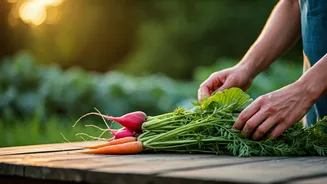
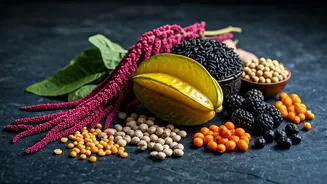
Experiencing this trend doesn't require a reservation at an exclusive restaurant. It starts with curiosity. The next time you're dining out, pay attention to the menu descriptions. Look for mentions of specific regional ingredients and don't hesitate to ask the staff about them. Visit your local farmers' markets and talk to the vendors. You might discover local vegetables or grains you've never seen before. Many of these ingredients are also becoming more accessible online through specialty stores that focus on sourcing unique Indian produce. Trying to cook with black rice from Manipur or using jaggery from a specific region instead of refined sugar can transform your home cooking. It’s an invitation to explore the immense diversity within our own country, one ingredient at a time.