


What is Black Carrot Kanji?
At its heart, Black Carrot Kanji, or 'Gajar ki Kanji', is a classic North Indian fermented beverage, traditionally prepared in households during the winter months. Its primary ingredient is the 'kali gajar' or black carrot, a seasonal variant rich in anthocyanins,
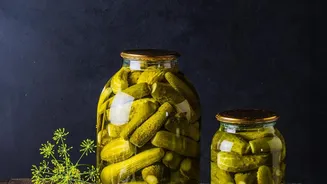
which give the drink its signature purplish-black hue. The preparation is simple: carrots are chopped and placed in a large ceramic or glass jar with water, salt, red chilli powder, and coarsely ground mustard seeds. This mixture is then left to ferment in the sun for several days. The mustard seeds act as a fermenting agent, and as the concoction matures, it develops a uniquely tangy, pungent, and sour flavour—an acquired taste that is both refreshing and complex.
A Probiotic Powerhouse for Gut Health
The resurgence of Kanji is intrinsically linked to the global wellness movement and the growing awareness around gut health. The fermentation process transforms the drink into a natural probiotic, teeming with beneficial live bacteria that support a healthy gut microbiome. Traditionally valued in Ayurveda for stimulating 'agni' (digestive fire), this tonic is known to aid digestion, reduce bloating, and prevent constipation. Unlike many commercially available health drinks that can be high in sugar, homemade Kanji is a low-calorie, nutrient-dense alternative. Black carrots themselves are a source of fibre, Vitamin C, and powerful antioxidants, making the drink a potent elixir for boosting immunity and promoting overall well-being.
From Household Staple to Cafe Star
For generations, Kanji was a household secret, a seasonal ritual often associated with the festival of Holi. Today, it is stepping out of home kitchens and onto the menus of chic urban cafes and restaurants. This shift is driven by a new generation of consumers who are actively seeking out food and drink with a story, authenticity, and functional benefits. For cafe owners, offering Kanji is a way to cater to this demand for mindful, clean, and wellness-oriented options. It serves as a sophisticated, non-alcoholic alternative that is both visually striking and rooted in Indian heritage. Some establishments are even using it as a base for innovative cocktails, adding another layer to its modern revival.
Part of a Bigger Fermentation Trend
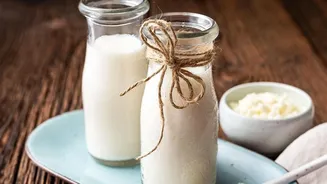
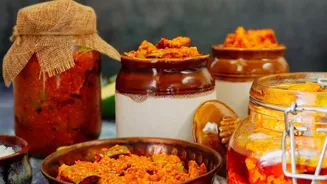
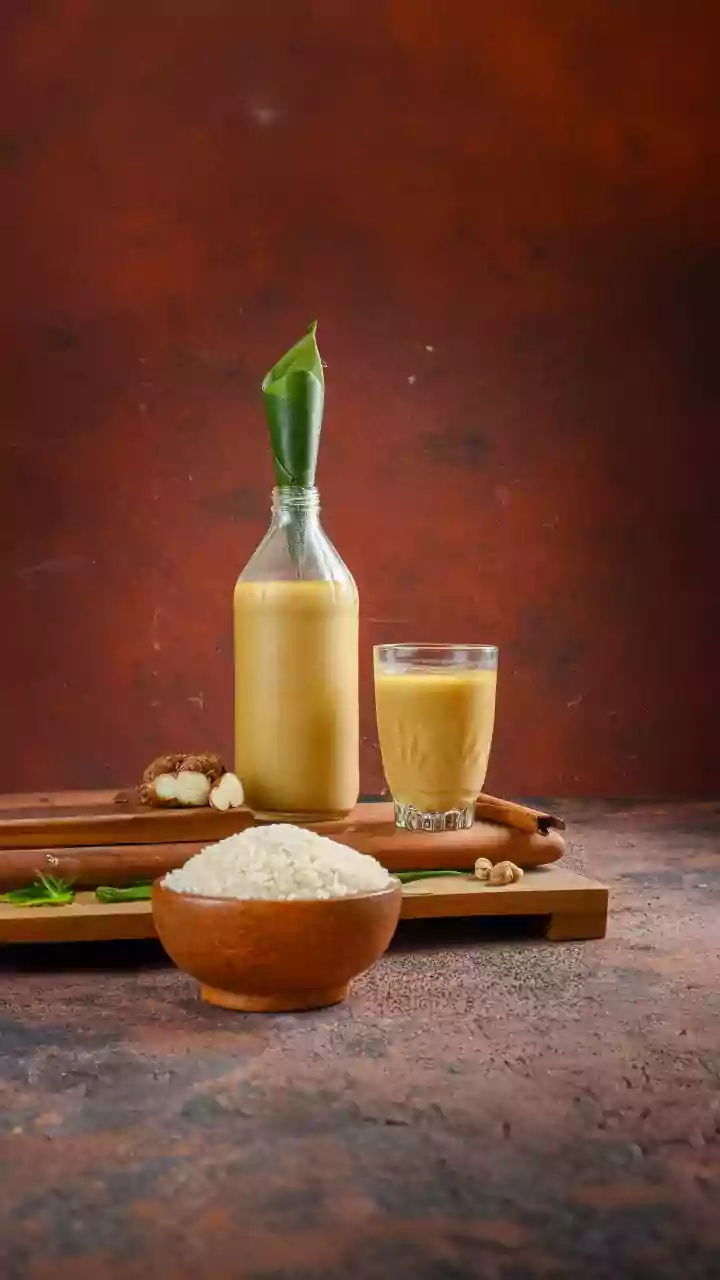
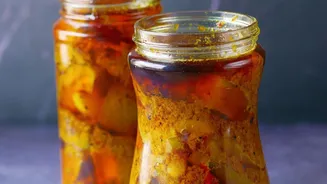
The popularity of Kanji is not happening in isolation. It's part of a broader rediscovery of traditional fermented foods and beverages across India. Just as kombucha, kefir, and sauerkraut have become mainstream globally, Indian mainstays like buttermilk (chaas), fermented rice water, and various regional pickles are being appreciated for their probiotic properties. This trend signals a significant cultural shift: a move away from processed, international 'superfoods' and a return to the wisdom of ancestral Indian culinary practices. Consumers are realising that potent health solutions can often be found in the familiar flavours and simple ingredients of their own heritage.