




Why a Tired Dog Isn't Always a Fulfilled Dog
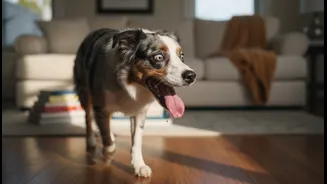
Physical exercise is vital, but it only satisfies part of your dog's needs. Many dogs were originally bred for specific jobs like herding, hunting, or guarding, all of which require sharp minds. When they don't have a way to use their natural intelligence,
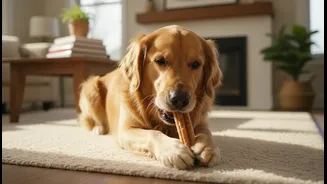
they can get bored, frustrated, and anxious. This boredom often surfaces as unwanted behaviour—think of the chewed slippers, the constant barking, or the dug-up flowerbeds. These aren't signs of a 'bad dog'; they're signs of a bored one looking for a job to do. Just 15 minutes of focused brain work can be as tiring for a dog as a much longer walk, leading to a calmer, more balanced companion.
Turn Mealtime into Brain Time
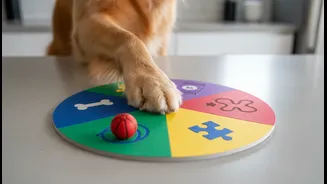
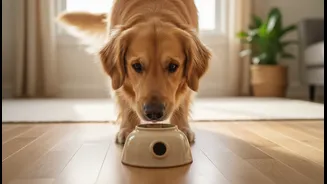
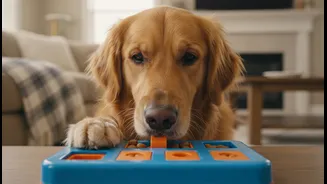
One of the easiest ways to introduce mental enrichment is to ditch the food bowl. Dogs in the wild forage for their food, and you can simulate this by using puzzle feeders, snuffle mats, or even just hiding their kibble around a room. A snuffle mat, which can be made from an old towel or rubber mat with fabric strips tied to it, encourages your dog to use their powerful nose to find their meal. You can also make a simple puzzle by placing kibble in a muffin tin and covering the cups with tennis balls for your dog to remove. This simple change turns a two-minute meal into a 15-minute problem-solving session.
Unleash Their Super-Sniffer
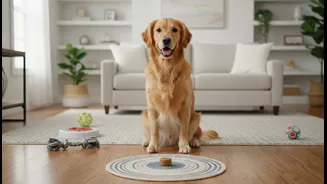
A dog’s primary sense is their smell, and putting it to work is one of the best ways to engage their brain. Scent games are easy to play and incredibly rewarding for your pet. Start with a simple game of 'find it'. Let your dog see you hide a high-value treat, then give the cue "find it!" and praise them enthusiastically when they succeed. As they get better, you can hide treats in another room or under objects like cups or boxes. You can even create scent trails by dragging a smelly treat along the floor before hiding it. These games are calming for dogs and allow them to use their most natural and powerful instinct.
Teach an Old (or Young) Dog New Tricks
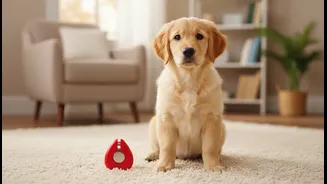
Training is a fantastic mental workout that also strengthens the bond between you and your dog. Whether you're reinforcing basic commands or teaching something more complex like 'roll over' or 'play dead', the process requires your dog to focus, think, and communicate with you. Keep training sessions short, positive, and fun—about 5 to 10 minutes is ideal to prevent frustration. Using reward-based methods with plenty of praise and treats makes learning a joyful experience that builds your dog’s confidence and problem-solving skills.
Build a DIY Obstacle Course
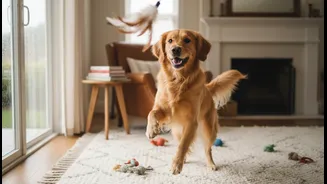
You don’t need professional agility equipment to challenge your dog physically and mentally. A homemade obstacle course can provide a world of fun. Use pillows or cushions for them to climb over, a row of chairs to create a tunnel to crawl through, or a broomstick propped up on books for a low jump. Guiding your dog through the course builds their confidence and coordination. This activity is not just about physical movement; it’s about your dog learning to navigate their environment in new ways and trusting your guidance as they tackle each challenge.
Get Creative with Cardboard
Your recycling bin is a treasure trove of free enrichment toys. Empty cardboard boxes, paper towel tubes, and egg cartons can all be turned into fun puzzles. Stuff an empty box with crumpled paper and hide treats inside for your dog to shred and forage. You can fill a toilet paper roll with kibble and fold the ends to create a simple treat dispenser your dog has to tear open. Always supervise your dog with these DIY toys to make sure they don't ingest the cardboard, but letting them shred and destroy something 'legally' is a fantastic outlet for their natural behaviours.