






The Post-Pandemic Problem
The daily commute, once the lifeblood of the QSR breakfast, has fundamentally changed. The rise of hybrid work models means fewer people are rushing out the door, grabbing a quick bite on their way to the office. Many professionals now have more time
in the morning, leading to a resurgence in at-home breakfast consumption. Busy schedules still lead many to skip breakfast or opt for on-the-go options, but their patterns have shifted. They are no longer a captive audience on a rigid timeline. The pre-pandemic playbook of offering a standard veggie patty or egg sandwich to the hurried commuter is losing its effectiveness. With more time, consumers are also more discerning, and the generic offerings of major chains feel increasingly out of step with a lifestyle that no longer prioritizes speed above all else.
A Sea of Sameness
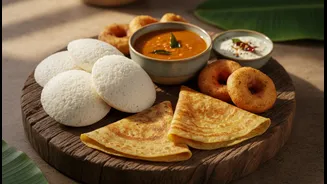
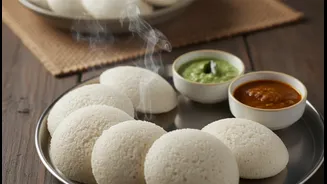
Walk into any major fast-food chain for breakfast, and you’ll likely find a depressingly similar menu. While lunch and dinner offerings often see innovation and localisation—like the McAloo Tikki or paneer-based pizza toppings—breakfast menus have largely been frozen in time. The global chains, in particular, have failed to meaningfully adapt their morning offerings to Indian tastes. Consumers today are actively seeking authentic, regional, and healthier options. There's a growing appetite for everything from millet-based dishes to traditional favourites like poha and dosa, but the QSR giants continue to push uninspired muffins and generic wraps. This lack of creativity is a massive missed opportunity. While local cafes and delivery kitchens are tapping into the demand for gourmet brunches and authentic regional meals, most large QSRs are asleep at the wheel.
The Value Equation is Broken
Indian consumers are famously value-conscious, and the QSR breakfast is starting to feel like a bad deal. As input costs have risen, menu prices have crept up, making a quick breakfast combo feel disproportionately expensive. When a coffee and a basic breakfast sandwich begin to rival the cost of a more substantial lunch deal, consumers start to question the value. This price sensitivity is a major challenge for QSRs, who must balance affordability with quality and experience. Consumers are no longer just looking for the cheapest option; they want value, which now encompasses quality, relevance, and a pleasant experience. The current breakfast offerings often fail on multiple fronts—they are not particularly innovative, not especially healthy, and no longer feel like a bargain. This pushes consumers toward either more affordable local vendors or more satisfying at-home options.
Finding the Morning Spark
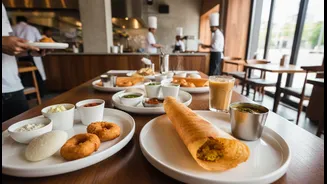
Not all is lost, and bright spots do exist. The rise of beverage-led visits, especially among younger consumers, shows one potential path forward. Many Gen Z customers are drawn in by a unique coffee or a trending drink, rather than a meal. Chains that innovate their beverage menu—moving beyond standard coffee and tea to include flavoured, functional, or artisanal options—could capture this habit-forming market. Furthermore, the incredible growth in food delivery has opened new doors. Cloud kitchens and delivery platforms make it easier than ever to offer specialised and regional breakfast menus without the overhead of a full-service restaurant. QSRs could leverage this by developing delivery-only breakfast brands that cater to specific tastes, from health-focused bowls to indulgent weekend brunches, tapping into the 90% of breakfast delivery orders that are vegetarian.