



The Late-Monsoon Advantage
The river rafting season in Rishikesh typically reopens in mid-to-late September after being closed during the peak monsoon months of July and August for safety reasons. For the 2026 season, activities are expected to resume around September 23rd, though
the exact date can shift based on water levels. This period is a sweet spot for adventure seekers. The Ganga is fuller and faster than in the drier months, making for more exciting rapids. However, this also means that safety becomes even more critical. The water is often still murky from monsoon runoff, and the currents are strong. Always check with the Uttarakhand Tourism Department or local operators for the official green light before you plan your trip.
Safety First: Choosing Your Operator
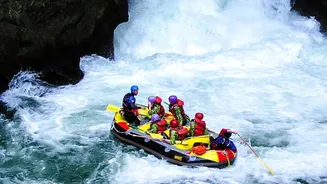
Your entire experience hinges on the professionalism of your rafting operator. Don't be tempted by the cheapest offer shouted on the street. Only choose government-approved operators who are licensed by the Uttarakhand Tourism Department. Reputable companies provide certified guides trained in first aid and water rescue, high-quality equipment including well-fitting life jackets and helmets, and a safety kayaker who accompanies the raft to assist in case anyone falls overboard. Before you book, read recent reviews, ask about their safety protocols, and ensure they don't overload the raft. A professional crew will give a thorough safety briefing before you even touch the water, explaining paddle commands and what to do if you find yourself in the river.
Pick the Right Rapids for Your Skill Level
Rishikesh offers several rafting stretches, each with a different length and difficulty, measured in grades. For first-timers, especially in the powerful post-monsoon flow, the Brahmpuri to Rishikesh stretch (around 9 km) is the ideal choice. It features mostly Grade I and II rapids, which are gentle enough to be exciting without being overwhelming, and takes about 1.5 to 2 hours. The popular Shivpuri to Rishikesh stretch (16 km) includes more challenging Grade II and III rapids and is better suited for those with some experience or a higher threshold for adventure. The longer, more intense stretches like Marine Drive (24 km) and Kaudiyala (36 km) should be avoided by beginners. Always communicate your experience level honestly with your guide.
A Rafter’s Budget: Where to Save
A thrilling Rishikesh trip doesn’t have to drain your wallet. Rafting itself is quite affordable, with prices for the beginner-friendly 9 km stretch starting from around ₹600 per person. Prices for longer stretches like the 16 km route are around ₹800-₹1000. To save on accommodation, consider staying in hostels or guesthouses in areas like Tapovan or Lakshman Jhula, which are popular with budget travellers. You can find clean dorm beds and private rooms for a fraction of the cost of a hotel. For food, skip the tourist-centric cafes and eat at local dhabas and smaller restaurants to enjoy authentic and inexpensive meals. Booking rafting as part of a package that includes camping can sometimes offer good value, but always compare it against booking services separately.
What to Pack and What to Leave Behind
Dressing appropriately is key for both safety and comfort. Wear quick-drying synthetic clothing like a t-shirt and shorts. Avoid cotton, as it gets heavy and cold when wet. For footwear, secure sandals with a backstrap, floaters, or old sneakers are perfect; flip-flops will get lost in the river. Don't forget waterproof sunscreen, even on a cloudy day. Leave all your valuables like expensive phones, wallets, and jewellery in your hotel room. Most operators provide a dry bag for small essentials, but it’s best to travel light on the raft. A change of warm, dry clothes waiting for you at the end point will feel like pure luxury.