


From Refrigerators to Shoeboxes
When you picture a satellite, you might think of a school-bus-sized craft gleaming with solar panels. While those still exist, the industry is buzzing about their much smaller cousins. Small satellites, or 'smallsats', can range from the size of a large
kitchen fridge to as tiny as a shoebox. A popular standard called a CubeSat is a modular cube just 10 centimeters on each side. These aren't just scaled-down models; they are highly capable machines packed with miniaturized electronics. This shift from massive, bespoke satellites to smaller, standardized ones is the core of the revolution, making space cheaper and more accessible.
The Cost-Cutting Revolution
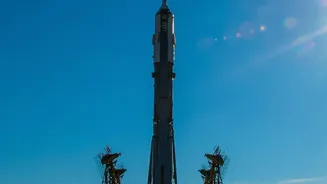
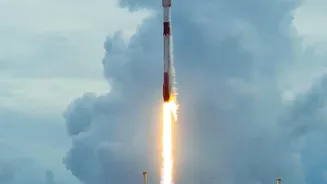
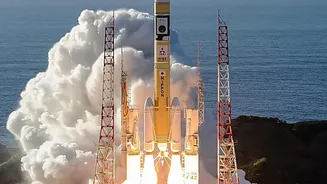
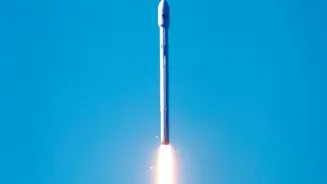
The single biggest impact of smallsats is the drastic reduction in cost. Traditional satellites are incredibly expensive to build and launch. By using standardized parts and mass-production techniques, the cost of building a smallsat is a fraction of its larger predecessor. Launch costs have also plummeted. Instead of needing a dedicated rocket, smallsats can 'hitch a ride' on launches with larger payloads, a practice known as ridesharing. This has democratized access to space, allowing universities, startups, and even developing nations to launch their own missions for the first time. In India, the rise of private companies like Skyroot Aerospace, which recently launched its Vikram-1 rocket, is set to further boost the small satellite ecosystem. ISRO has also developed the Small Satellite Launch Vehicle (SSLV) specifically to cater to this growing market.
Power in Numbers: The Rise of Constellations
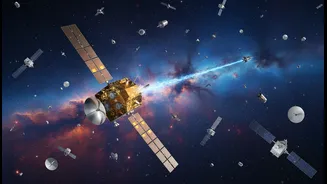
One smallsat can be useful, but hundreds working together can change the world. This is the concept behind satellite constellations—vast networks of smallsats operating in concert. Companies like SpaceX's Starlink and OneWeb are deploying thousands of smallsats to provide high-speed internet to remote corners of the globe. Other companies, such as Planet Labs, use their constellations to image the entire Earth's surface every single day, providing unprecedented data for agriculture, disaster response, and climate change monitoring. This ability to provide persistent, global coverage is something that was simply not feasible with large, traditional satellites.
Beyond Earth's Orbit
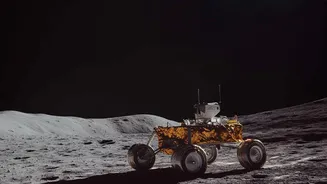
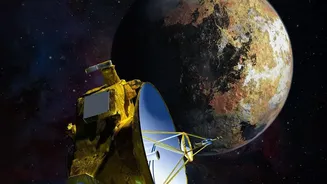
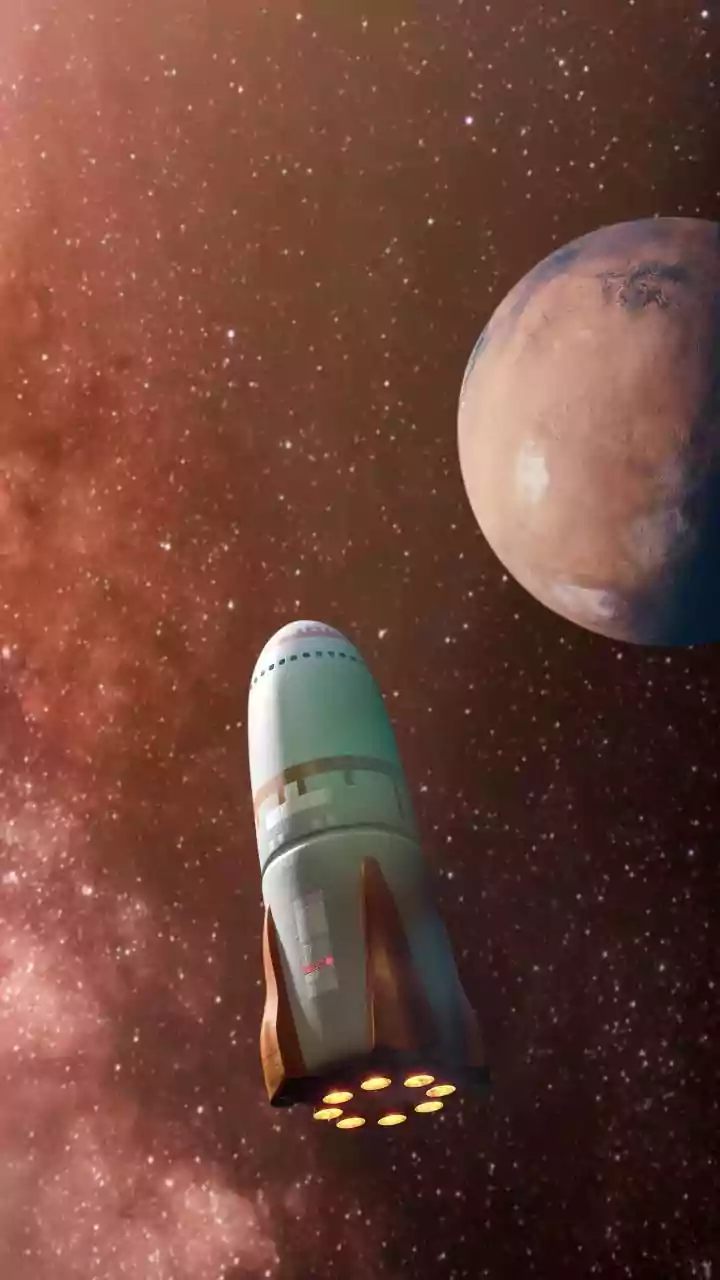
The impact of small satellites isn't limited to our own planet. They are becoming crucial tools for deep-space exploration. NASA has demonstrated that CubeSats can travel to Mars, and they are being integrated into future missions to the Moon and beyond. For example, the European Space Agency's Hera mission, set to arrive at the asteroid Didymos in 2026, will deploy two CubeSats to study the asteroid's composition and internal structure. These tiny explorers can take on higher-risk missions at a lower cost, acting as scouts and pathfinders for larger, more complex spacecraft and paving the way for sustained human and robotic presence in the solar system.
The Growing Pains of a Crowded Sky
The smallsat boom is not without its challenges. The proliferation of thousands of new objects in low Earth orbit has significantly raised concerns about space debris and the potential for collisions. A single collision can create thousands of pieces of high-speed junk, threatening other operational satellites. This has been described as a modern 'tragedy of the commons', where the benefits of launching satellites are individual, but the risk is shared by all. There is a growing push for stronger international regulations, sustainable practices like 'green' propellants, and technologies for actively de-orbiting satellites at the end of their lives to keep Earth's orbit usable for future generations.