
A Strategic Shift to Commercial Orbit
For decades, government agencies like NASA have led the way in human spaceflight. Now, NASA is intentionally shifting its strategy. Instead of owning and operating the next generation of orbital outposts, the agency plans to be one of many customers for
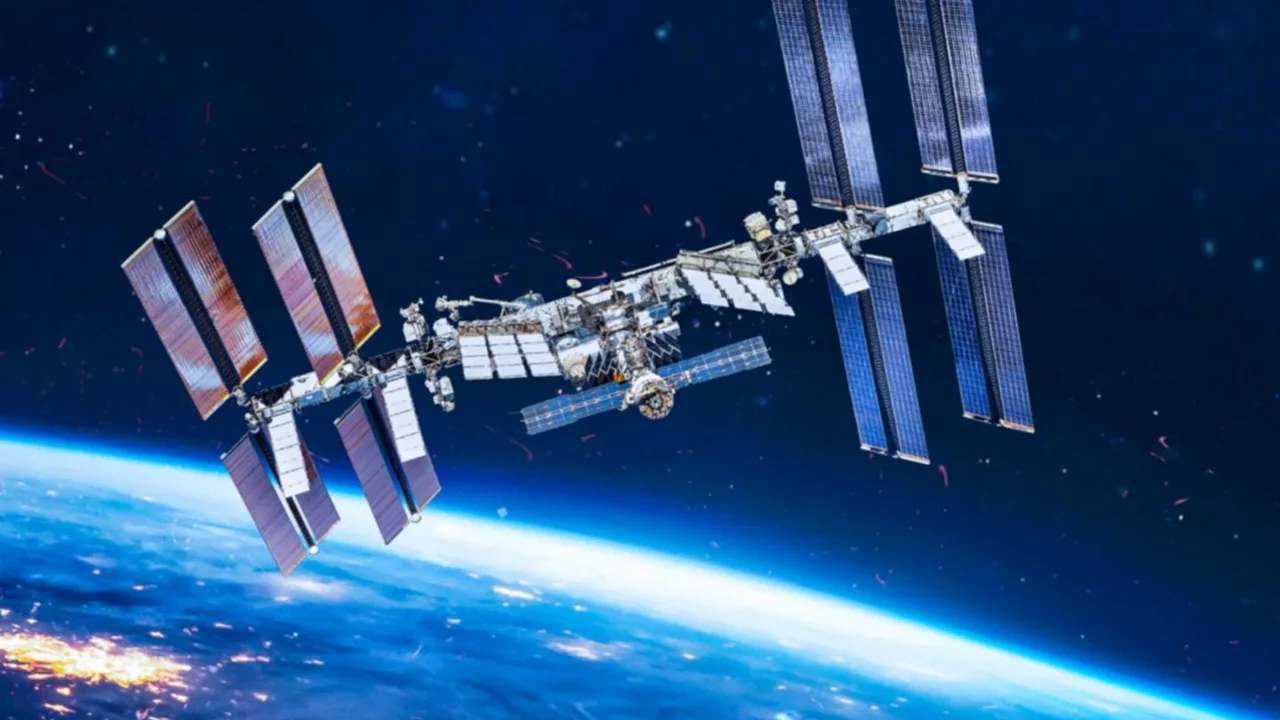
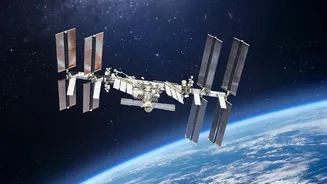
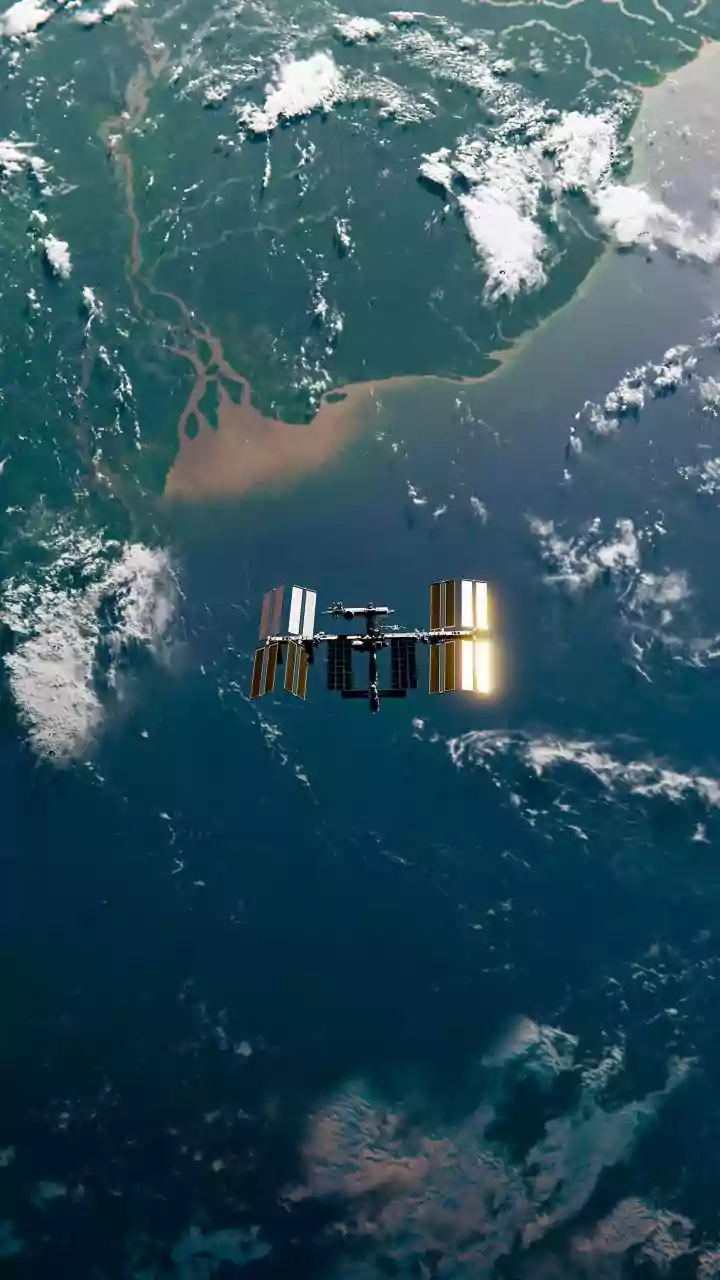
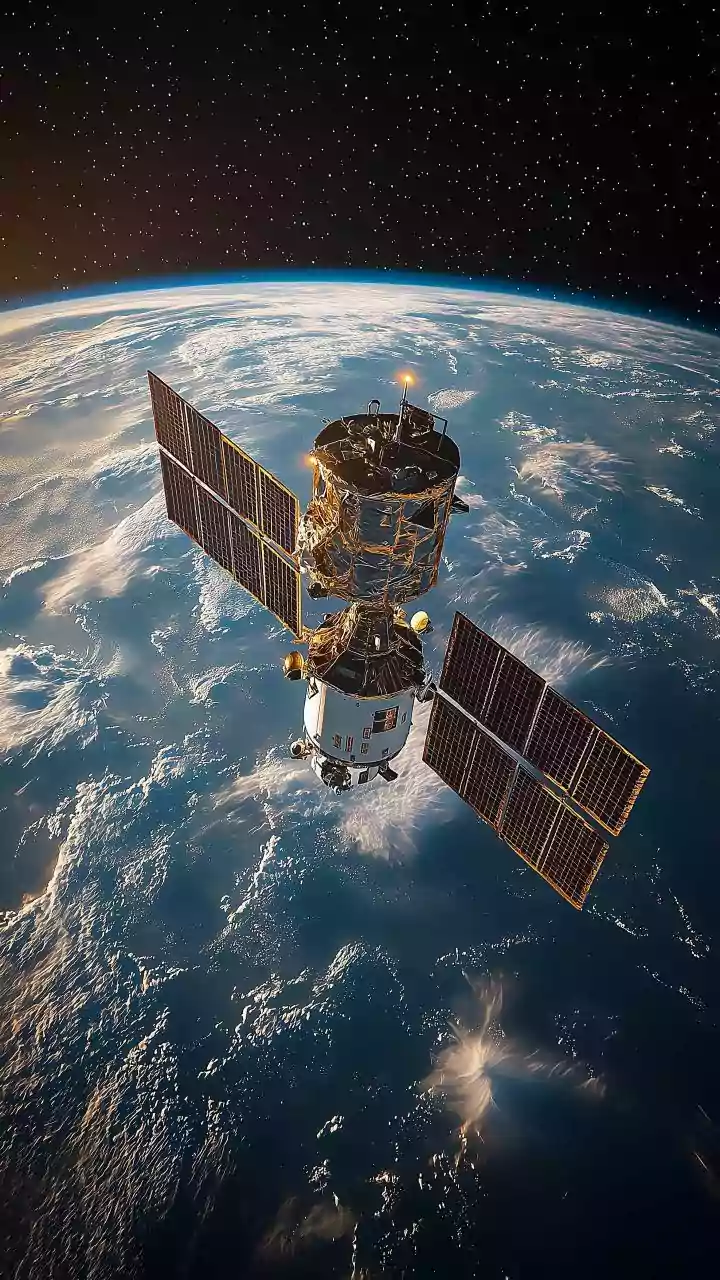
services provided by commercial space stations. This approach is designed to foster a robust low-Earth orbit economy, reduce costs for taxpayers, and allow NASA to focus its resources on ambitious deep-space missions to the Moon and Mars through its Artemis program. The transition is time-sensitive; a gap between the ISS's retirement and the arrival of commercial replacements could leave the U.S. without a crewed orbital presence for the first time in decades, a scenario with significant geopolitical and scientific implications.
Axiom Space: An Extension in the Sky
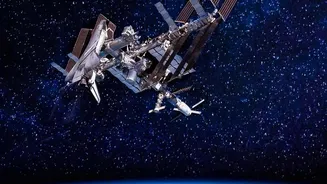
Houston-based Axiom Space is taking a unique, phased approach. The company plans to first attach its commercial modules to the International Space Station. The first element, a Payload Power and Thermal Module, will be followed by a habitat module. As early as 2028, these two modules could detach from the aging ISS to become a free-flying, independent commercial station. Axiom Station will eventually grow with additional habitat, research, and manufacturing modules, effectively doubling the usable volume of the original ISS. The company has already gained significant operational experience by flying multiple private astronaut missions to the ISS, demonstrating a clear pathway to a commercial future.
Vast: A Fast Path to a Free-Flying Future
Another major player, Vast, is aiming to become the first to operate a standalone commercial space station. Its initial outpost, Haven-1, is a single-module station scheduled to launch on a SpaceX Falcon 9 rocket in early 2027. It is designed to host four-person crews for missions lasting up to 30 days. Recently, France signed an agreement for one of its astronauts to be on the first crewed mission to Haven-1. While Haven-1 is a key first step, Vast's long-term vision is far more ambitious, including larger, multi-module stations and pioneering the use of artificial gravity by rotating its habitats—a technology that would be revolutionary for enabling long-term human settlement in space.
Orbital Reef and Inflatable Habitats
A powerful collaboration between Blue Origin and Sierra Space is developing Orbital Reef, envisioned as a 'mixed-use business park' in space. It's designed to be a multi-tenant platform for research, manufacturing, and even space tourism, capable of hosting up to 10 people. A key technology for Orbital Reef is Sierra Space's Large Integrated Flexible Environment (LIFE) habitat. These inflatable modules are made of high-strength fabrics like Vectran and can be launched in a compact state, then expanded in orbit to provide a significantly larger habitable volume than traditional rigid structures. Successful burst tests have shown these modules are exceptionally durable, paving the way for more spacious and efficient orbital living.
The New Frontier of Orbital Enterprise
These private stations are being designed from the ground up to support a wide range of commercial activities. The primary driver is scientific research, particularly in microgravity, which has applications in pharmaceutical development, biotechnology, and materials science. Beyond science, these habitats will open the door to in-space manufacturing, where the unique zero-gravity environment allows for the creation of superior products like flawless fiber optics or 3D-printed biological tissues. Other potential markets include media production, Earth observation, and the burgeoning field of space tourism, creating a diverse economic ecosystem hundreds of kilometers above the Earth.