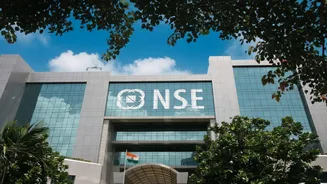









The IPO That's Finally Happening
The long-awaited Initial Public Offering (IPO) of the National Stock Exchange is now expected to launch as early as September 2026. This isn't just any public issue; it's projected to be one of India's largest, potentially valuing the exchange at over
₹5 lakh crore and surpassing previous records. The IPO will be an Offer for Sale (OFS), meaning existing shareholders like State Bank of India will sell their stakes, rather than the exchange raising new capital. After first filing for an IPO back in 2016, the journey to this point has been anything but smooth, marked by significant roadblocks that have kept investors waiting for years.
A Shadow of Scandal
The primary reason for the decade-long delay was the co-location scam that rocked the exchange. A whistleblower first brought the issue to light in 2015, alleging that certain brokers were given preferential access to NSE's trading systems. These brokers used the co-location facility—where they could place their servers right inside the NSE's data centre—to get price information milliseconds faster than others, allowing for massive unfair gains. This manipulation led to extensive investigations by the Securities and Exchange Board of India (SEBI), the CBI, and other agencies, putting the IPO plans on indefinite hold. The scandal raised serious questions about corporate governance and fairness at the very heart of India's financial system.
The Regulatory Gauntlet
The fallout from the co-location case was immense. SEBI, India's market regulator, launched a deep probe, which confirmed that the exchange's systems were vulnerable to manipulation. The investigation led to penalties, directions for the NSE to disgorge profits, and a temporary ban on accessing the market. Top executives, including former CEOs Chitra Ramakrishna and Ravi Narain, came under scrutiny for their roles during the period of the alleged manipulation. For years, SEBI withheld approval for the IPO, insisting that the deep-rooted governance issues and pending legal cases be resolved before the exchange could go public. This regulatory scrutiny was crucial for restoring investor confidence but significantly extended the listing timeline.
A New Chapter Under New Leadership
The path to the IPO was finally cleared under the leadership of MD and CEO Ashishkumar Chauhan, who took the helm in July 2022. Chauhan, who has a reputation for successfully listing market infrastructure institutions like the BSE, adopted a new approach. Instead of denying the issues, the new management focused on cleaning up governance, replacing staff even remotely connected to the wrongdoing, and changing the tone of discussions with SEBI. The exchange moved towards settling the legacy cases, proposing to pay over ₹1,400 crore to close the regulatory proceedings related to the co-location matter. This proactive stance helped rebuild trust with the regulator, leading to SEBI finally granting a no-objection certificate in early 2026, paving the way for the IPO.
What the Listing Means for the Market
The NSE's listing is a landmark event for Indian capital markets. As a publicly-traded company, the exchange itself will be subject to a higher degree of transparency and public scrutiny, which is expected to bolster governance standards further. For investors, it offers a chance to own a piece of the critical infrastructure that powers the Indian economy. The listing of the world's largest derivatives exchange by volume will end the monopoly of its rival, BSE, as the only listed stock exchange in India, creating a new dynamic for investors in the sector. The sheer size of the IPO is also expected to attract significant foreign capital and add depth to the market.