








The End of the Old Reward System
For decades, the corporate world ran on a simple reward-and-recovery loop. An intense period of work was followed by a large bonus, a lavish party, or a promotion. But in a world of chronic burnout and constant digital connectivity, these traditional
perks are losing their appeal. Statistics on executive burnout paint a grim picture, with some reports showing over half of all leaders experiencing symptoms. The exhaustion that follows a months-long, high-stakes project isn't just physical; it's a deep-seated mental and emotional depletion that a night out can't fix. Professionals are realizing that what they truly need isn't more stimulation, but less. They crave a genuine reset button, and they're finding it thousands of feet above sea level.
The Pull of the Peaks
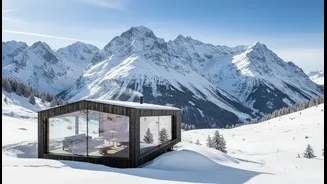
Why the Alps? The appeal is multi-layered. Firstly, there's the profound sense of isolation. Luxury in this context is not about being served, but about being left alone. High-end alpine retreats offer privacy as the ultimate amenity—no lobbies, no small talk, just serene, uninterrupted solitude. Secondly, the environment itself is a powerful wellness tool. Research increasingly shows that exposure to nature, particularly mountain landscapes, has a restorative effect on the mind. The combination of crisp, clean air, the physical exertion of a hike, and the simple awe inspired by panoramic views helps quiet the brain's hyper-vigilant 'threat' centres, which are overworked in a high-stress corporate environment. It’s a concept some call 'Altitude Wellness,' a travel movement built on the idea that transformation happens at higher elevations.
From Buzzing Phones to Natural Silence
The core function of an alpine escape is to facilitate a radical shift in nervous system function. A high-pressure project keeps the body in a prolonged state of 'fight or flight,' flooded with stress hormones like cortisol. A secluded mountain stay does the opposite. By removing the constant pings of emails and meetings, it allows the body to switch to the parasympathetic 'rest and digest' state. This is where true recovery begins. A change in environment is crucial for breaking the mental loops and habit cycles of work life, with some experts noting cortisol levels can drop significantly after just a few days away from familiar triggers. This mental reset provides clarity and a restored sense of perspective that is invaluable for leaders and creative thinkers.
A New Definition of Luxury
This trend also signals a broader shift in values. The new currency of success isn't just about financial wealth, but about well-being and time. Professionals are increasingly choosing to invest in experiences that offer long-term benefits over fleeting material rewards. Companies, too, are taking note. Corporate retreat planning is moving away from generic golf resorts and towards immersive, place-based experiences that incorporate wellness as a foundational element, not an afterthought. Activities like guided hikes, meditation sessions, and digital detox hours are becoming standard. These escapes are not about laziness; they are a strategic investment in cognitive and emotional recovery, ensuring that top performers can return to their roles recharged and resilient, rather than burnt out and disengaged.