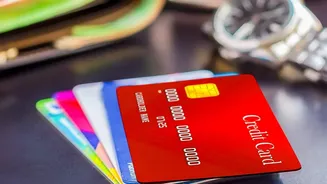








Choose the Right Card for You
Not all credit cards are created equal, and the best one for you might not be the one with the flashiest rewards. As a first-time user, your primary goal is to build credit, not to chase travel points. Look for cards designed for those with a limited
credit history, such as student cards or specific starter cards from major banks. Pay close attention to the annual fee; many excellent cards have no annual fee at all. If you have no credit history, a secured credit card can be a great starting point. These require a small security deposit, which usually becomes your credit limit, minimizing risk for the lender and helping you get approved. Reading the terms and conditions to understand the interest rate, or Annual Percentage Rate (APR), is crucial.
Understand and Avoid Common Fees
Credit card fees can quickly add up and eat into your budget. Being aware of them is the first step to avoiding them. The most common is the annual fee, which is a yearly charge for just having the card. Late payment fees are charged if you miss your payment due date, which can also damage your credit score. Another to watch for is the foreign transaction fee, typically 1-3% of any purchase made in a foreign currency, which applies whether you're traveling or shopping on an international website. Finally, avoid using your credit card to withdraw cash from an ATM. This is called a cash advance and comes with a high fee (often 3-5%) and immediate, high-interest charges with no grace period.
Pay Your Balance in Full and On Time
This is the golden rule of responsible credit card use. Your payment history is the single most important factor in determining your credit score. Always pay at least the minimum amount due by the deadline, but your goal should be to pay the entire statement balance in full each month. Doing so ensures you never pay a single rupee in interest. Many people fall into the trap of only making the minimum payment, which can lead to a cycle of debt as high interest rates cause the balance to grow. To avoid ever missing a due date, set up payment reminders or automatic payments from your bank account.
Keep Your Credit Utilisation Low
Your credit utilisation ratio (CUR) is the second most important factor in your credit score. It's the percentage of your available credit that you are currently using. For example, if your credit limit is ₹50,000 and your current balance is ₹10,000, your CUR is 20%. Lenders see a high CUR as a sign of financial stress. A good rule of thumb is to keep your utilisation below 30% at all times. So, on that ₹50,000 limit, you should aim to keep your balance under ₹15,000. To build a strong score, lower is always better. Treating your credit card like a debit card—only charging what you know you can pay off immediately—is a great way to keep this ratio in check.
Monitor Your Account and Build Good Habits
Get into the habit of reviewing your credit card statement every month. Check for any errors or fraudulent charges and report them immediately. Regularly monitoring your account also helps you understand your spending habits, see where your money is going, and stick to your budget. Avoid the temptation to apply for multiple cards at once. Each application results in a 'hard inquiry' on your credit report, and too many in a short period can temporarily lower your score. Finally, don't close your oldest credit card account, even after you've paid it off. The length of your credit history is a factor in your score, and closing an old account can shorten it.