








The Trust Gap in Your Takeaway
The convenience of ordering food online has exploded, but it has also created a gap in the chain of trust. Once your meal leaves the restaurant kitchen, it passes through several hands and environments before it reaches your table. This journey introduces
risks—from accidental spills and temperature fluctuations to deliberate tampering. Surveys have shown that package security is a top concern for a majority of consumers. This worry has pushed the industry to find better ways to prove that your food has arrived exactly as it was intended: safe, fresh, and secure. The solution is evolving from simple packaging to an active safety system.
The First Line of Defence: Tamper-Evident Tech
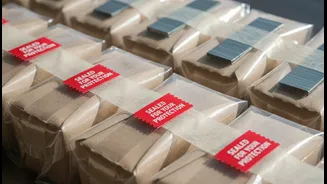
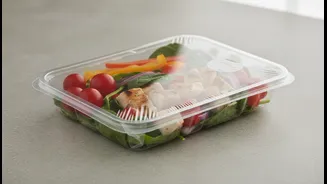
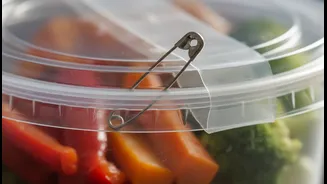
The most visible solution is tamper-evident packaging. You have likely seen it already: a sticker sealing your pizza box, a plastic ring on a beverage cap that snaps when opened, or special tape on a larger container. These are designed to provide clear, irreversible proof if a package has been opened. Once the seal is broken, it cannot be neatly reapplied, immediately signalling that the contents may have been compromised. This technology is the first crucial step in bridging the trust gap, offering a simple visual confirmation that your parcel has remained unopened during its journey from the kitchen to your doorstep. It’s a basic but powerful tool for accountability and consumer confidence.
Beyond Seals: The Dawn of Intelligent Packaging
While tamper-evident seals confirm a package is closed, they don’t tell you what happened to the food inside. Did it get too warm? Is it still fresh? This is where intelligent packaging comes in. This next-generation technology embeds sensors and indicators directly into the packaging to monitor the food's quality and environment in real time. Think of it as a health tracker for your meal. These systems can detect changes in temperature, humidity, and even the gases released by food as it spoils, providing a far more detailed story of your food's journey. Instead of just being a passive container, the package becomes an active guardian of its contents.
How Smart Sensors Work for You
Smart packaging employs a range of innovations to keep you informed. Some use time-temperature indicators, which are small labels that change colour if a perishable item is exposed to unsafe temperatures for too long. Others have freshness indicators that react to the gases released during spoilage, giving a visual cue about the food's condition. More advanced systems use QR codes, RFID, or NFC tags that you can scan with your smartphone. This can provide a complete history of the product, from its origin and batch number to its journey through the supply chain, ensuring unparalleled transparency and traceability for everything from groceries to gourmet meals.
A Connected and Safer Supply Chain
The ultimate goal is a fully transparent food ecosystem, powered by the Internet of Things (IoT) and Artificial Intelligence (AI). When smart packaging is connected to the cloud, it sends a constant stream of data back to restaurants and delivery platforms. An AI system can analyze this data to predict potential spoilage, optimize delivery routes to avoid delays, and instantly flag any safety breaches, like a freezer malfunction during transit. This digital ledger creates a secure, unchangeable record of a product's journey, making it easier to identify and isolate any issues quickly, reducing waste and preventing contaminated food from ever reaching a consumer.
What This Means for Indian Consumers
In India, where the demand for food safety and transparency is rapidly growing, these technologies are becoming essential. The Food Safety and Standards Authority of India (FSSAI) has already established strict rules for food-grade, tamper-proof packaging. The move towards smart packaging aligns perfectly with these goals. The Indian market for these technologies is projected to grow significantly as more brands adopt them to build consumer trust. For the average person, this means greater peace of mind. It means knowing the food arriving at your door is not only untampered with but has been kept under safe conditions throughout its entire journey, ensuring the health and safety of your family.