
The Two Types of Iron
Iron is a crucial mineral that helps transport oxygen throughout your body, keeping your energy levels up and your mind sharp. It comes in two forms: heme and non-heme. Heme iron, found in meat, poultry, and fish, is easily absorbed by the body. Plant-based
foods like leafy greens, lentils, beans, and tofu, on the other hand, contain only non-heme iron. This type is trickier for our bodies to absorb, with an efficiency rate as low as 2% compared to heme iron's 15-35%. This difference in absorption is why vegetarians and vegans need to be more strategic about their iron intake, even when consuming iron-rich plant foods.
Vitamin C: The Ultimate Iron Enhancer
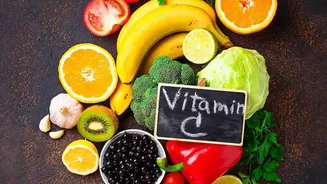
This is where vitamin C comes to the rescue. Nutrition research has consistently shown that vitamin C, or ascorbic acid, is the most powerful known enhancer of non-heme iron absorption. It works its magic in two key ways. First, it helps convert non-heme iron from its ferric (Fe3+) state into the more soluble ferrous (Fe2+) state, which your intestines can readily absorb. Second, it forms a soluble complex with the iron, protecting it from dietary inhibitors that would otherwise block its absorption. The effect is significant; studies show that adding vitamin C to a meal can increase non-heme iron absorption by several times. So while "doubling" is a good rule of thumb, the boost can sometimes be even greater, with some research suggesting it can increase absorption up to six-fold depending on the meal.
Perfect Pairings for Peak Absorption
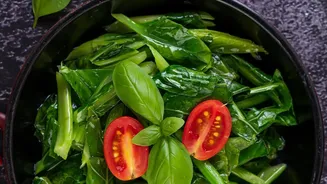
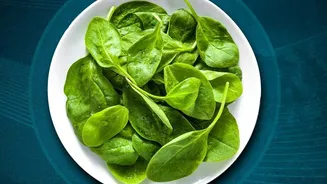
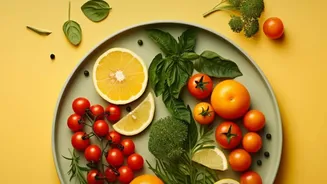
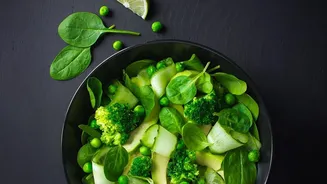
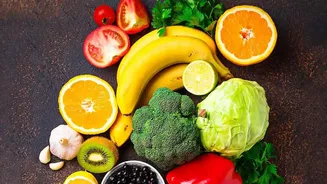
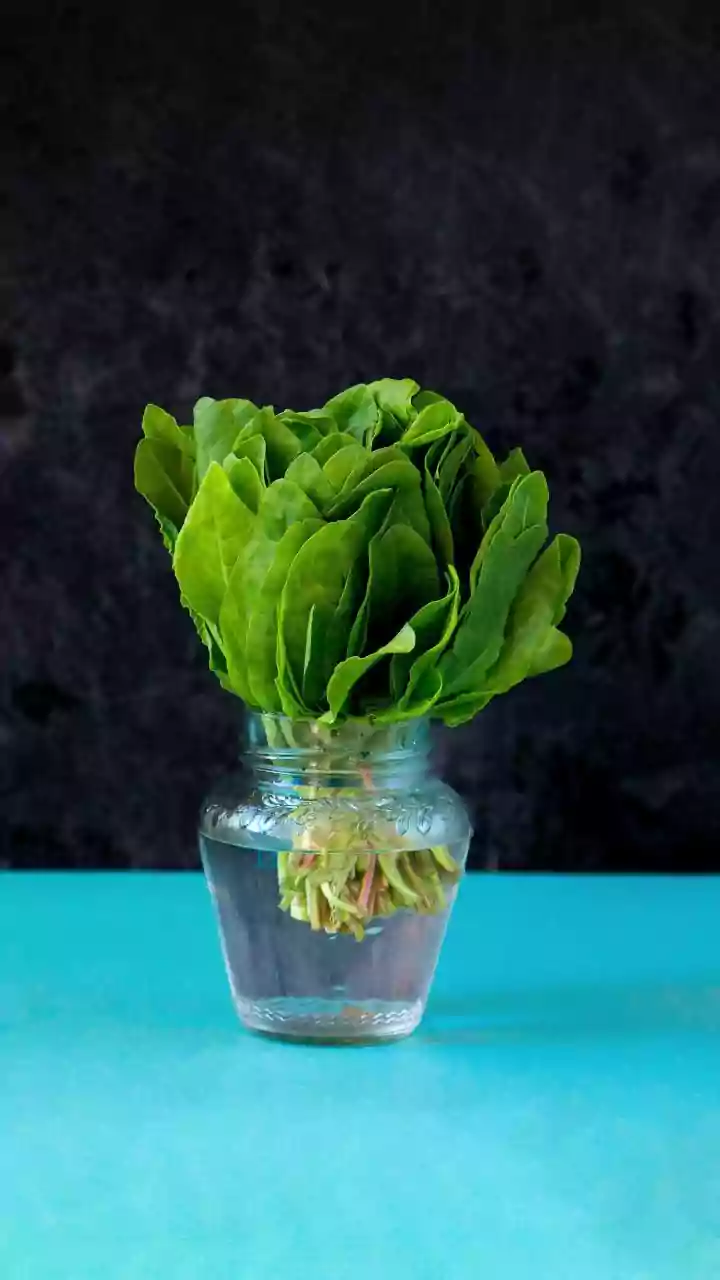
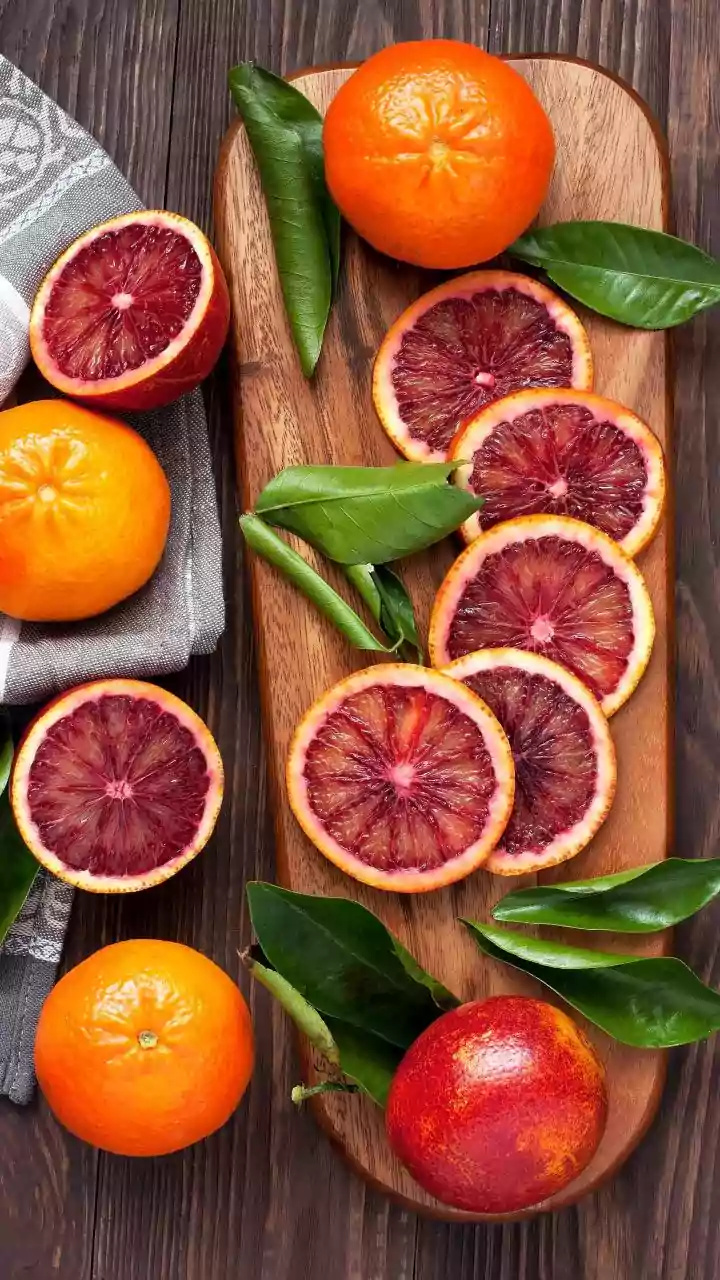
The headline's suggestion of pairing citrus with leafy greens is a classic for a reason. A spinach salad with a lemon-based vinaigrette or a green smoothie with a squeeze of orange are fantastic ways to apply this principle. But you don't have to stop there. The possibilities are vast and delicious. Think about adding bell peppers (which are incredibly high in vitamin C) to a bean chili, or topping a bowl of lentil soup with fresh tomatoes. For breakfast, try oatmeal sprinkled with strawberries or a side of kiwi fruit. Other powerful combinations include a tofu stir-fry with broccoli, black beans with a mango salsa, or fortified cereals with a glass of orange juice. The goal is to simply include a source of vitamin C in the same meal as your iron-rich plant foods.
Beware of the Iron Blockers
Just as some foods enhance iron absorption, others can hinder it. The main culprits are compounds called phytates and polyphenols. Phytates are found in whole grains, legumes, nuts, and seeds. Polyphenols, including tannins, are abundant in coffee and tea. These compounds can bind to iron in the gut, making it unavailable for absorption. In fact, a single cup of coffee can reduce iron absorption from a meal by as much as 60%. Calcium also competes with iron for absorption. This doesn't mean you should avoid these healthy foods. Instead, be strategic with timing. Try to drink your coffee or tea at least an hour before or after your iron-rich meals. Similarly, if you take a calcium supplement, don't take it with your main iron-focused meal of the day.