





What Exactly Is Sumac?
Sumac is a staple in Middle Eastern and Mediterranean cooking, made from the dried and ground berries of the wild sumac shrub. Its beautiful deep red colour adds a visual pop to any dish it graces. The flavour is its main draw: it delivers a tangy, sour
taste similar to lemon but with a milder, less sharp acidity and an underlying fruity, earthy note. This unique quality allows it to add brightness and cut through richness in a way that citrus juice can't, all while keeping your ingredients perfectly crisp.
A Simple Trick for Better Salads
Sumac is a game-changer for fresh salads, where its dry acidity shines. One of the easiest ways to use it is in a vinaigrette. Simply whisk it into your standard mix of olive oil and a small amount of lemon juice or vinegar. It will amplify the brightness and add a complex tang. A classic use is a simple tomato, cucumber, and red onion salad, often called a Shirazi salad in Persian cuisine or a simple sumac salad in other parts of the Middle East. Just toss the chopped vegetables with olive oil, a generous sprinkle of sumac, and fresh herbs like parsley and mint. The spice clings to the vegetables, seasoning them perfectly without making them soggy. It also pairs beautifully with creamy elements, so try dusting it over feta cheese or a yogurt-based dressing to balance the richness.
Mastering Sumac with Roasted Vegetables
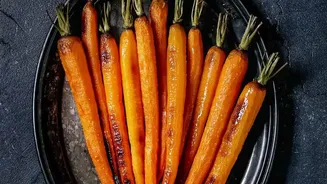
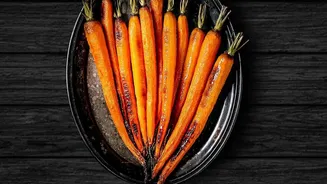
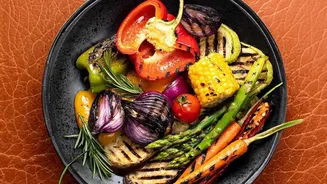
When it comes to roasting, sumac adds a delightful contrast to the caramelised sweetness of the vegetables. The process is straightforward: toss your prepared vegetables with olive oil and a hearty amount of sumac before they go into the oven. This technique works wonderfully with a variety of vegetables. For heartier root vegetables like carrots, sweet potatoes, and parsnips, sumac's tang balances their inherent sweetness. It is also exceptional with cauliflower and broccoli, where its zesty notes permeate the florets as they roast. You can combine it with other spices like thyme and rosemary for a more complex flavour profile. For a final flourish, a little extra sprinkle of sumac after roasting can reintroduce a fresh, bright note to the finished dish.
Perfect Pairings and Pro Tips
Sumac is incredibly versatile and plays well with many other flavours. It's a key ingredient in the Middle Eastern spice blend za'atar, often mixed with thyme and sesame seeds. It pairs wonderfully with herbs like mint and parsley, spices like cumin and coriander, and aromatics like garlic and onion. When cooking, it's often best to add sumac towards the end of the cooking process or use it as a finishing spice to preserve its bright, delicate flavour, which can dull with prolonged heat. Don't be shy with the amount; many recipes call for a generous dousing rather than a dainty sprinkle to truly let its character shine through.