






A Strategic Dialogue in Cairo
On a two-day visit to Egypt from November 15-16, Piyush Goyal co-chaired the 7th session of the India-Egypt Joint Trade Committee, a meeting elevated to the ministerial level for the first time. Amid discussions on boosting bilateral trade to USD 12 billion,
Goyal's remarks on aviation grabbed headlines. He stated that India has over 1,200 aircraft on order but requires more than 2,000 in total, and is even prepared to order another 1,000 planes. Highlighting the supply issue in Egypt was a strategic move, linking India’s domestic needs to international cooperation and suggesting that improved aircraft availability could lead to more direct flights between the two nations, which are looking to strengthen economic ties.
The Global Production Gridlock
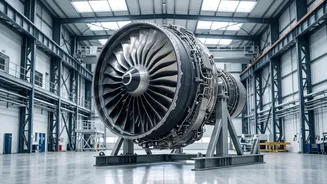
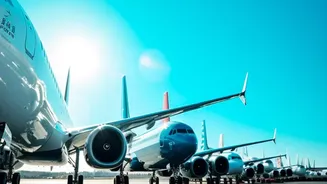
The aircraft shortage is not an Indian problem alone; it's a worldwide manufacturing bottleneck. The world's two largest planemakers, Airbus and Boeing, are struggling to meet the explosive post-pandemic demand for new, fuel-efficient jets. Their production lines are hampered by persistent supply chain disruptions, including shortages of engines, raw materials, and skilled labour. Engine availability has become a particularly critical bottleneck, with issues at suppliers like Pratt & Whitney causing significant delays. As a result, the global order backlog has swelled to over 17,000 aircraft, meaning airlines worldwide are facing multi-year waits for their new planes. This has forced carriers to operate older, less efficient aircraft for longer, driving up maintenance and fuel costs.
India's Aviation Boom Meets a Bottleneck
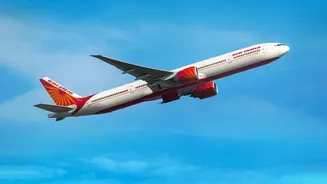
Nowhere is this supply crunch felt more acutely than in India, one of the world's fastest-growing aviation markets. Indian carriers like Air India and IndiGo have placed historic orders for hundreds of aircraft to cater to a burgeoning middle class and expand connectivity. For example, Air India's massive 2023 order for 470 jets was a cornerstone of its revival plan, with the airline expecting to induct a new wide-body aircraft nearly every six weeks starting in 2026. However, Goyal's comments confirm that these ambitious fleet expansion plans are at the mercy of manufacturers' delivery schedules, which are already stretched. These delays could cap growth, affect the launch of new routes, and potentially lead to higher fares for passengers as demand continues to outpace capacity.
The India-Egypt Connection
Goyal raising the issue in Cairo is significant because Egypt itself has ambitious plans to become a major regional aviation hub connecting Africa, the Middle East, and Europe. The country is investing heavily in airport infrastructure, including a new terminal at Cairo International Airport, and its national carriers, EgyptAir and Air Cairo, also plan significant fleet expansions. EgyptAir aims to increase its fleet to 125 aircraft by 2030, while Air Cairo plans to nearly double its fleet within four years. By highlighting the shared challenge of supply constraints, Goyal not only pressures manufacturers but also opens the door for deeper collaboration. Both nations recognise that their economic growth and tourism goals are linked to a healthy, functioning global aviation ecosystem, making the timely delivery of new aircraft a shared strategic priority.