




Ziro Valley, Arunachal Pradesh: For Culture and Calm
A lush, flat valley cradled by pine-clad hills, Ziro is a UNESCO World Heritage Site candidate for good reason. It's home to the Apatani tribe, known for their unique sustainable agriculture and distinct culture. For solo travellers, Ziro offers a gentle
introduction to the Northeast's cultural richness. The valley floor is easy to explore on a rented scooter or bicycle, with small villages scattered among the paddy fields. The locals are generally welcoming, and the growing network of homestays provides a safe and immersive way to experience their way of life firsthand. Beyond the famous Ziro Music Festival in September, the valley is a quiet paradise. Spend your days hiking to the Tarin Fish Farm, exploring the landscape, or simply sitting by the fields, watching the clouds drift over the hills. Why It's Great for Solos: The compact nature of the valley and the established homestay culture make it easy to navigate and find safe lodging. It's a place where you can be alone without feeling isolated. Pro Tip: Travel between March and May for pleasant weather and lush landscapes. An Inner Line Permit (ILP) is required for Arunachal Pradesh, which can be easily applied for online before your trip.
Dzukou Valley, Nagaland: For the Intrepid Trekker
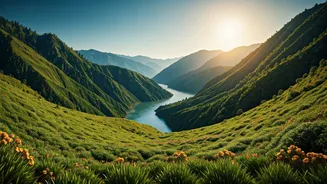
Straddling the border of Nagaland and Manipur, Dzukou is not a valley you simply arrive in; you earn it. Known as the "Valley of Flowers of the Northeast," its rolling hills are carpeted with a unique variety of lilies and rhododendrons, especially during the monsoon season. The trek to Dzukou is a rite of passage for many adventurers. The journey itself fosters a sense of camaraderie among trekkers, making it surprisingly social for a solo trip. You’ll meet fellow travellers on the trail and at the basic guesthouse at the top. The reward is a landscape of unparalleled beauty—undulating green mounds crisscrossed by gentle streams. It’s a place for quiet contemplation, for long walks across the valley floor, and for feeling completely disconnected from the hustle of modern life. Why It's Great for Solos: The shared challenge of the trek creates an instant bond with other hikers. The main trail is well-trodden, and hiring a local guide from villages like Jakhama or Viswema is easy and recommended for safety and local insight. Pro Tip: The best time to see the flowers in full bloom is from late June to September. Be prepared for rain and leeches. Pack light but carry essentials like a waterproof jacket, good trekking shoes, and a power bank.
Yumthang Valley, Sikkim: For Alpine Grandeur
Situated in North Sikkim at an elevation of over 11,000 feet, Yumthang Valley is a breathtaking spectacle of alpine meadows, hot springs, and snow-capped peaks. The journey from Gangtok is an adventure in itself, a winding road that climbs through dramatic mountainscapes. In spring (late February to mid-June), the valley floor erupts in a riot of colourful rhododendrons, making it a photographer's dream. For the solo traveller, Yumthang offers a more organised but no less awe-inspiring experience. Due to its proximity to the international border, travel here is managed through registered tour operators, who handle permits and transport. This structured approach adds a layer of security and simplicity, as you'll often be part of a small group jeep safari, allowing for both solitude during stops and social interaction if you choose. Don't miss a visit to the nearby Shingba Rhododendron Sanctuary and the Zero Point (Yumesamdong), where the civilian road ends. Why It's Great for Solos: The mandatory tour operator system handles all logistics and permits (Protected Area Permit), removing much of the planning stress. This makes it a secure option for a first-time solo visitor to a high-altitude region. Pro Tip: Acclimatise properly to the high altitude. Spend a night in Lachen or Lachung before heading to Yumthang. Carry warm layers, as the weather can change in an instant.