





It's the hairstyle that refuses to quit. The undercut, defined by its sharp contrast between short sides and a longer top, is a masterclass in style versatility, blending polish and rebellion in one clean look.
What Exactly Is an Undercut?
At its core, the undercut is a hairstyle
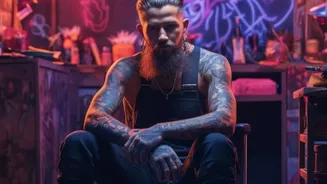
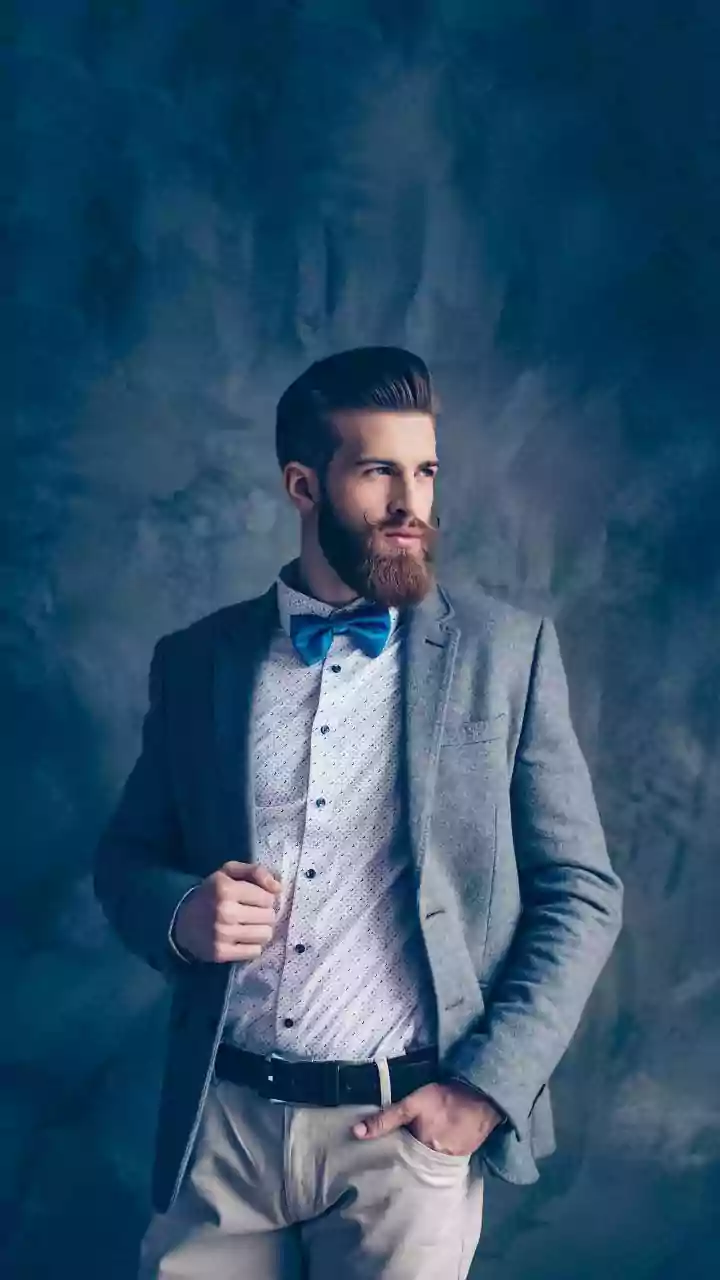
where the hair on the top of the head is kept significantly longer than the hair on the sides and back. This isn't a gentle fade; the signature of a true undercut is the clear, often dramatic, disconnection between the two lengths. This contrast is what gives the style its sharp, defined appearance. Think of it as a canvas: the short sides provide a clean foundation, while the longer top section can be styled in countless ways—slicked back, combed over, styled into a quiff, or left messy and textured.
A Style with a Storied Past
While it feels distinctly modern, the undercut has been around for over a century. It gained popularity in the early 20th century, particularly among working-class men and soldiers during World War I. Its practicality was key; short sides were hygienic and didn't require much fuss. The style saw various waves of popularity, from the jazz age of the 1920s to the new wave scenes of the 1980s, before its major resurgence in the 2010s, partly thanks to television shows that romanticised the vintage aesthetic.
Finding Your Perfect Undercut
The beauty of the undercut lies in its adaptability. A 'disconnected' undercut features a very sharp, unblended line between the long top and short sides for a bold statement. A 'faded' undercut, on the other hand, incorporates a gradual taper on the sides, which can be low, mid, or high, for a softer, more contemporary feel. The length you leave on top dictates your styling options. Two to four inches is enough for a textured crop or simple side part, while four to six inches opens the door to more voluminous looks like a pompadour or a slick-back style.
Is the Undercut for You?
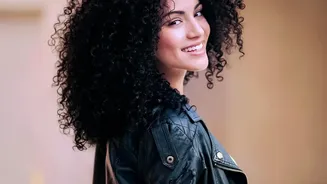
Almost anyone can pull off an undercut, but the best variation depends on your face shape and hair type. For round faces, styles that add height, like a quiff or pompadour, create a more elongated look. Those with longer or oval faces might prefer a slick-back or a shorter fringe to maintain balance. The undercut is a gift for those with thick, heavy hair, as it removes a significant amount of bulk, making hair lighter and easier to manage. It also works well for wavy and curly hair, which can be left natural on top for a textured, high-contrast look.
The Undercut in India
Bollywood and Indian celebrities have fully embraced the undercut's stylish appeal. Stars like Hrithik Roshan have sported a clean, connected undercut, striking a balance between sporty and casual. Aditya Roy Kapur opted for a more dramatic disconnected undercut, which worked well with his dense hair. Actors like Milind Soman and Arjun Kapoor have also been seen with variations of the cut, proving its versatility across different personal styles. The look is popular for both its sharp on-screen presence and its practicality in India's warmer climate.
Styling and Maintenance
Maintaining an undercut's sharp look requires regular trips to the barber, typically every two to four weeks, to keep the sides clean. For daily styling, the right product is essential. Pomade delivers a shiny, slicked-back finish, while clay or wax offers a matte, textured look. For added volume, blow-drying the hair in the desired direction before applying product is a crucial step. Don't be afraid to use your fingers to create a more relaxed, lived-in style.