


Ginger and Garlic: The Immunity Power Duo
These kitchen staples are more than just flavour enhancers; they are potent medicinal foods perfect for the rainy season. Ginger is celebrated for its ability to soothe the digestive system and combat nausea, while garlic is a natural antibacterial and antiviral
powerhouse. Both possess anti-inflammatory properties that help the body fend off common monsoon infections like colds and flu. Incorporating freshly minced ginger into your morning tea or adding crushed garlic to your soups and curries is a simple and effective way to bolster your body's defences against seasonal ailments. This combination works to keep you warm from within, making it an essential part of your monsoon diet.
Turmeric: The Golden Healer
Turmeric, with its active compound curcumin, is a cornerstone of Ayurvedic tradition for good reason. It is a powerful anti-inflammatory and antioxidant agent that plays a crucial role in strengthening the immune system. During the monsoon, when the risk of infection is high, a daily dose of turmeric can be incredibly beneficial. Adding a pinch to dals, vegetable dishes, or a warm glass of milk before bed can help your body combat pathogens and reduce inflammation. For maximum absorption, it's often recommended to pair turmeric with a pinch of black pepper.
Gourds: Light and Easy on the Gut
The monsoon significantly weakens our digestive fire, or 'Agni', according to Ayurveda. This is why light, easily digestible vegetables are recommended. Gourds such as bottle gourd (lauki), ridge gourd (turai), and bitter gourd (karela) are ideal choices. They are high in water content, low in calories, and packed with essential nutrients and fibre that aid digestion without burdening the gut. Bitter gourd, in particular, is lauded for its ability to regulate blood sugar and boost immunity with its high concentration of Vitamin C. Steamed or cooked in simple curries, these vegetables are perfect for nourishing, gentle meals.
Jamun: The quintessential Monsoon Fruit
Jamun, or the Indian blackberry, is a true gift of the monsoon. This deep purple fruit is not only delicious but also packed with Vitamin C, iron, and antioxidants that are vital for a strong immune system. It is known to aid digestion and is particularly beneficial for managing blood sugar levels. Its availability is limited to the rainy season, making it a special treat that is perfectly aligned with the body's seasonal needs. Enjoy them fresh as a snack to combat the fatigue that often accompanies the grey, overcast days of the monsoon.
Pomegranate: The Antioxidant Jewel
Pomegranates are another excellent fruit to include in your monsoon diet. These ruby-red jewels are loaded with powerful antioxidants that help reduce inflammation and support the body's natural defences against infections. Rich in Vitamin C and K, they also help boost haemoglobin levels, which can combat the low energy often felt during this season. Eating the whole fruit is better than juicing it, as the fibre content further aids in maintaining a healthy digestive system, which is crucial when the gut is most vulnerable.
Moong Dal: The Protein-Packed Comfort Food
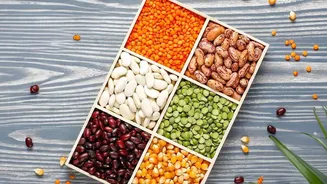
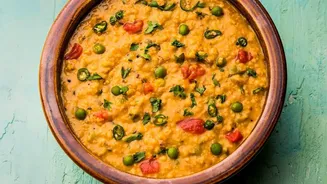
When it comes to protein during the monsoon, moong dal is one of the best choices. It is exceptionally light and easy to digest compared to other lentils, making it a perfect staple for the season. A warm bowl of khichdi, made from rice and moong dal, is considered an ideal monsoon meal in Ayurveda because it provides balanced nutrition without taxing the digestive system. Rich in protein and fibre, moong dal helps repair body tissues and provides sustained energy, keeping you feeling nourished and comfortable.