







Beyond Raw Leaves: A Complete Meal
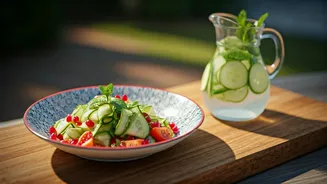
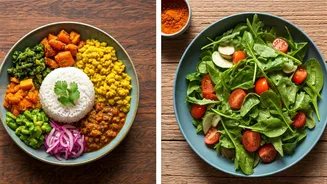
A standard Western salad often starts with a base of lettuce or raw greens, a few chopped vegetables, maybe some lean protein, and a dressing. While it can be healthy, it’s often designed as a light course, not a complete, balanced meal. Many fall short
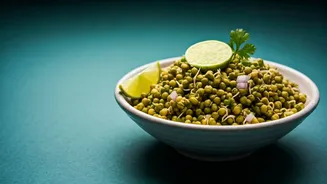
on complex carbohydrates and diverse proteins, leaving you hungry an hour later. Contrast this with a typical Indian food bowl. Think of a simple home-style meal: a katori of dal (lentils), another of sabzi (cooked vegetables), a portion of dahi (yoghurt), and a side of rice or roti. This isn't just a random assortment; it's a holistically designed system. You get high-quality plant-based protein and fibre from the dal, essential vitamins and minerals from the cooked sabzi, complex carbs for sustained energy from the grain, and probiotics from the dahi. It’s a meal engineered for balance.
The Power of Spices and Cooking
One of the greatest weaknesses of a raw salad is just that—it’s raw. While some nutrients are best consumed raw, cooking actually unlocks the bioavailability of others. For example, the lycopene in tomatoes becomes more accessible after being heated. Indian cooking takes this a step further with its masterful use of spices. Turmeric, a cornerstone of Indian cuisine, contains curcumin, a powerful anti-inflammatory compound whose absorption is boosted by black pepper (piperine). Ginger aids digestion, cumin helps with nutrient absorption, and fenugreek can assist in blood sugar regulation. These aren't just flavourings; they are functional ingredients that turn a simple meal into a wellness-boosting powerhouse. A salad dressing, on the other hand, is often a source of hidden sugars, sodium, and unhealthy fats, providing flavour at a nutritional cost.
A Symphony for Your Gut
Gut health is crucial for overall well-being, and this is where the Indian bowl truly shines. The combination of different elements creates a synergistic effect. The fibre from lentils and vegetables acts as a prebiotic, feeding the good bacteria in your gut. The dahi or curd served alongside is a natural probiotic, introducing beneficial bacteria directly. This combination promotes a healthy gut microbiome, which is linked to better digestion, a stronger immune system, and even improved mental health. A simple salad, especially one without fermented components, offers fibre but misses the powerful prebiotic-probiotic partnership that has been a natural part of the Indian diet for centuries. The warm, cooked nature of the food is also generally easier on the digestive system than a large volume of cold, raw vegetables.
The Satiety Factor: Feeling Full for Longer
How long does your lunch keep you feeling full and focused? This is the satiety test, and many salads fail it. A meal high in simple greens and lean protein can digest quickly, leading to an energy crash and cravings by 3 p.m. An Indian food bowl is built for lasting energy. The complex carbohydrates in whole grains and the combination of protein and fibre in lentils slow down digestion, providing a steady release of energy. The inclusion of healthy fats (like a dollop of ghee or the use of mustard oil in cooking) also contributes to feeling satisfied for longer. A warm, hearty meal is also psychologically more comforting and fulfilling for many people than a cold plate of leaves, reducing the desire for unhealthy snacking between meals.
An Antidote to Flavour Fatigue
Let’s be honest: salads can be boring. The rotation of romaine, grilled chicken, and vinaigrette often leads to “flavour fatigue,” making healthy eating feel like a chore. Regional Indian cuisine is the ultimate cure. A food bowl can mean something different every day of the week. One day it’s a Punjabi-style rajma with jeera rice, the next a South Indian sambar with a millet-based side, and the next a Bengali-style cholar dal with a vegetable stir-fry. The flavour profiles range from tangy and spicy to creamy and mild. This incredible diversity not only keeps your taste buds excited but also ensures you’re getting a wider range of nutrients from different vegetables, legumes, and grains. It turns the pursuit of health from an exercise in restriction to an adventure in flavour.