






More Than Just a Tropical Drink
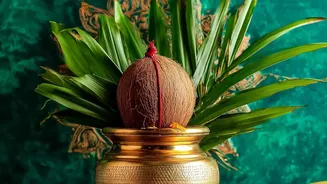
For generations, the coconut, or 'Kalpavriksha' (the tree that provides all necessities of life), has been integral to life in the Andamans. From its refreshing water to its oil-rich kernel, it is a staple of the local diet and economy. Now, this traditional
resource is being viewed through a modern lens of sustainability. As tourism grows, there's a conscious push to ensure it benefits the local ecosystem and community. Instead of relying on imported goods, resorts and businesses are turning inward, finding that the coconut offers a wealth of eco-friendly solutions that are both practical and authentically Andamanese. This shift is not just about being green; it's about creating a more immersive and responsible travel experience.
The Zero-Waste Philosophy in Action
The coconut's biggest contribution to eco-tourism lies in its potential for zero-waste applications. Every single part of the fruit can be repurposed, drastically reducing the waste that often plagues island destinations. The hard shell, once discarded, is now hand-crafted by local artisans into beautiful bowls, cups, and decorative items. These products offer tourists a sustainable alternative to plastic souvenirs and provide a direct income to community members. The fibrous husk, known as coir, is used to make ropes, durable mats, and brushes. Even the leaves are not wasted; they are woven for thatching roofs of eco-friendly huts and resorts, a traditional building technique that is both sustainable and naturally cooling.
Building a Sustainable Stay
Eco-conscious resorts across the islands, particularly on Havelock and Neil Island, are championing the use of coconut and other local materials in their construction. Resorts like Barefoot at Havelock and Blue Bird Resort use coconut wood, bamboo, and thatch to create cottages that blend seamlessly into the natural surroundings. This approach, known as vernacular architecture, not only minimises the carbon footprint associated with transporting construction materials but also supports local building knowledge. For the traveller, staying in such an accommodation is a powerful reminder of their connection to the environment, offering luxury that doesn't come at the expense of nature.
Fuelling the Local Economy and Culture
This coconut-centric approach directly empowers the local community. By creating a market for coconut-based handicrafts, food products, and building materials, the tourism industry fosters local entrepreneurship. Farmers find a new, steady demand for their produce beyond just the raw fruit, while artisans are able to preserve traditional crafts. To celebrate this connection, the administration even hosts events like the 'Island Coconut Festival', which showcases everything from coconut-based cuisine and crafts to traditional dehusking competitions. These initiatives help ensure that the economic benefits of tourism are distributed more evenly, strengthening the social fabric of the islands.
A Richer Travel Experience
Ultimately, the focus on coconuts enriches the travel experience. Visitors are no longer passive observers; they can actively participate in a sustainable ecosystem. They can enjoy farm-to-table meals where the coconut is a star ingredient, join workshops to learn how shells are carved, or simply relax knowing their stay supports a circular economy. New eco-tourism projects, such as the one planned for Aves Island, known for its extensive coconut plantations, are being designed with this philosophy at its core. This integrated approach shows that sustainable travel is not about sacrificing comfort, but about gaining a deeper, more meaningful connection to the destination.