




Beyond the Kibble Bag
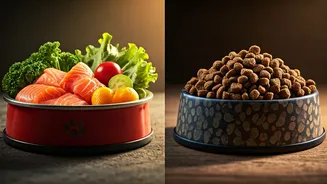
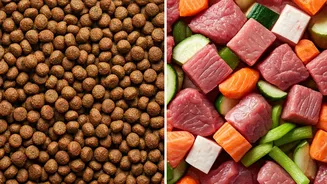
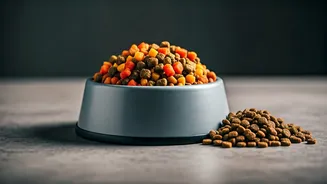
For decades, the foundation of canine nutrition was the scoop of dry kibble. It was convenient, affordable, and formulated to keep dogs healthy. But as wellness and clean eating trends have reshaped human diets, they are now doing the same for our pets.
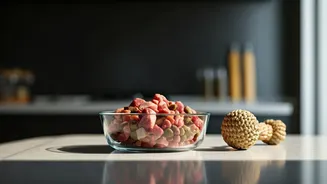
This shift, often called the 'humanization' of pet food, stems from a desire to provide our dogs with the same quality of ingredients we seek for ourselves. Owners are increasingly scrutinizing labels, questioning processed ingredients, and seeking alternatives that look more like a home-cooked meal than a bag of brown pellets. The 'gourmet' trend isn't just about fancy flavors; it's about a fundamental move toward minimally processed, nutrient-dense foods that owners can see and recognize.
The Fresh Food Promise
Proponents of fresh diets report a host of benefits. These often include a shinier coat, healthier skin, increased energy levels, and smaller, firmer stools. The high digestibility of gently cooked food means that dogs may absorb more nutrients compared to highly processed kibble. Some research even suggests that dogs fed fresh food may have healthier gut microbiomes and improved long-term health, potentially extending their lifespan. For picky eaters or dogs with sensitive stomachs, the palatability and simple ingredients of a fresh diet can be a game-changer.
What's On The Menu?
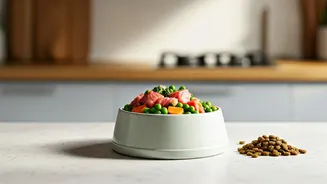
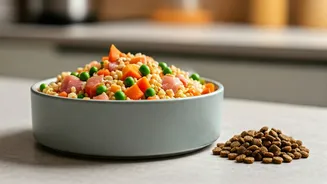
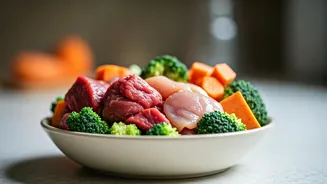
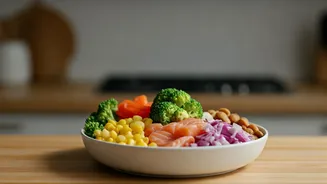
A typical fresh 'gourmet' diet for a dog consists of high-quality, recognisable ingredients. The foundation is usually a lean animal protein like chicken, beef, or fish, which provides essential amino acids for muscle health. This is supplemented with carbohydrates for energy, such as brown rice or sweet potatoes, and a variety of vegetables like carrots, spinach, and peas for fiber, vitamins, and minerals. Healthy fats from sources like fish oil are also crucial for brain function and maintaining a healthy skin and coat. The goal is to create a meal that is not only appealing but mirrors the whole-food principles many people now follow for their own health.
A Word From The Vets
While the idea is appealing, veterinarians urge caution. Many professional bodies, including the American Veterinary Medical Association (AVMA), have expressed concerns about homemade diets. The primary risk is nutritional imbalance. Studies have shown that the vast majority of homemade dog food recipes found online are deficient in one or more essential nutrients. Creating a diet that meets all 37 of the nutritional parameters for dogs set by the Association of American Feed Control Officials (AAFCO) is a complex task. Common deficiencies in DIY diets include improper calcium-to-phosphorus ratios, which can lead to bone and dental issues over time. There is also a risk of bacterial contamination from raw or undercooked meat, which can sicken both pets and their human family members.
The DIY Dilemma: Balancing Act
For owners committed to a fresh-food path, avoiding these pitfalls is paramount. The key to a successful homemade diet is balance, not just a random mix of good ingredients. Most vets who are open to homemade diets insist they must be formulated by a board-certified veterinary nutritionist. These experts can create recipes tailored to a specific dog's age, breed, and health status. Following such a recipe exactly—without substitutions—is critical. For those who find that process too daunting, a growing market of commercial fresh food offers a convenient middle ground. These subscription services deliver pre-portioned, AAFCO-compliant meals that are gently cooked and frozen, providing the benefits of fresh food without the risk of nutritional guesswork.