








The Facts on the Ground
India's pet care market is one of the fastest-growing in the world. Valued at approximately ₹30,434 crore in 2024, it is projected to skyrocket to ₹2.1 lakh crore by 2032. This explosive growth is largely driven by the premium segment. While the overall
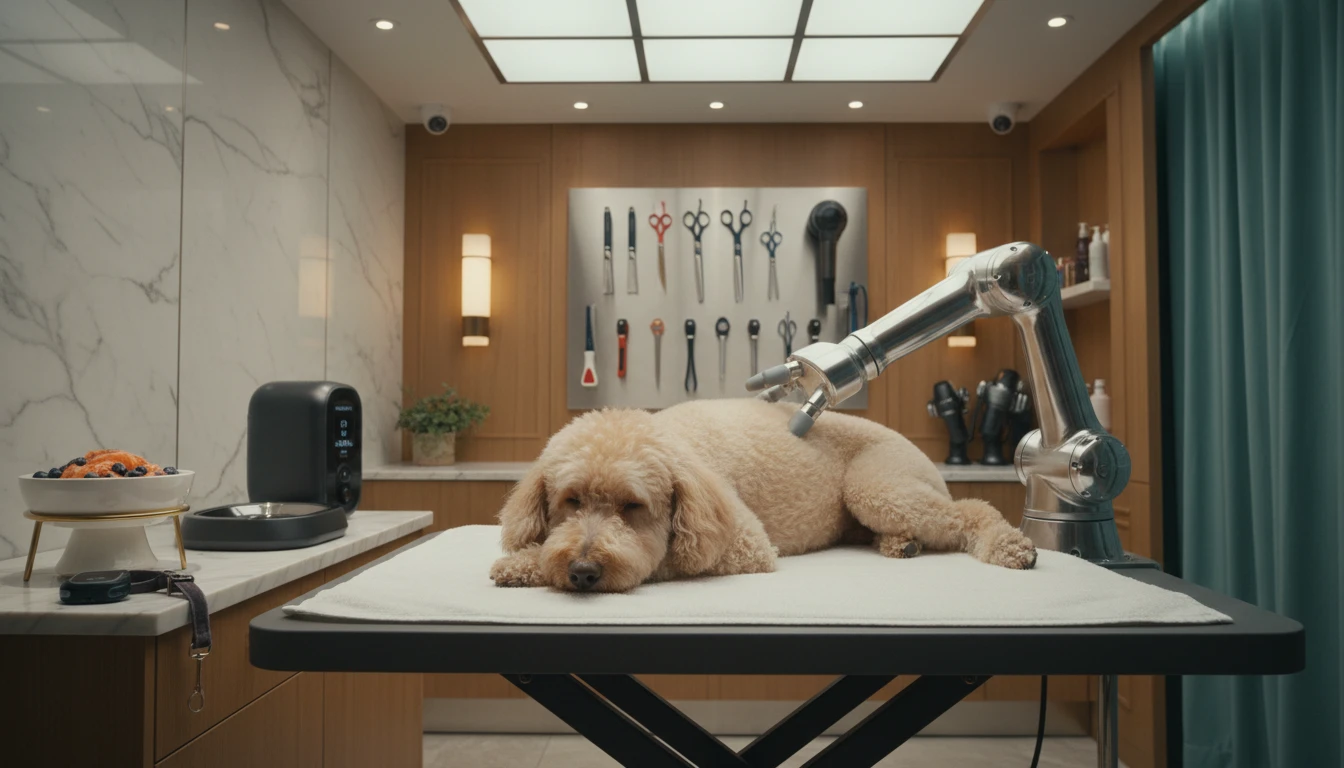
market includes basic necessities, the premium and super-premium sectors are expanding at over 20% annually. This surge is powered by a new generation of pet owners, primarily in urban areas, who are willing to spend more on their animal companions. What does 'premium' entail? It's a broad spectrum of goods and services, including grain-free and freshly cooked meals, specialised grooming services starting from ₹500, advanced veterinary care, pet insurance, and a wide array of accessories from designer apparel to orthopaedic beds.
The Drivers Behind the Boom
Several socio-economic factors are converging to create this boom. The primary driver is the 'humanization' of pets, with a majority of Indian owners now viewing their pets as family members or even children. This emotional bond translates directly into higher spending. Rising disposable incomes and the growth of nuclear families in urban centres also play a crucial role. With more financial capacity and a need for companionship, millennials and Gen Z are leading the charge. This demographic is highly influenced by social media and wellness culture, applying the same principles of health and lifestyle to their pets as they do to themselves. The result is a high demand for organic, natural, and scientifically formulated products that promise better health and a longer life for their furry friends.
The Practical Impact
The rise of the premium pet economy has created a vibrant ecosystem of new businesses. Homegrown brands and direct-to-consumer startups are now competing with international giants, offering everything from subscription-based meal plans to pet-friendly tech gadgets. E-commerce platforms have become a major distribution channel, making premium products accessible even in Tier-II and Tier-III cities, which are now seen as the next frontier for growth. This has also spurred the growth of specialised services like pet spas, mobile grooming vans, and tele-veterinary consultations. However, this boom exists alongside the significant challenge of managing India's large population of street animals, creating a stark contrast between the pampered lives of some pets and the struggles of many others.
Remaining Questions and Future Hurdles
Despite the rapid growth, the industry faces several challenges. Price sensitivity remains a major hurdle, with many pet owners outside of metropolitan areas still relying on home-cooked meals due to cost concerns and a lack of nutritional awareness. The market also grapples with a fragmented supply chain, a high dependency on imported ingredients for premium food which can inflate costs, and regulatory hurdles. There is also a significant shortage of skilled professionals, particularly veterinarians, in semi-urban and rural areas to meet the growing demand. As the market matures, questions around sustainability, ethical breeding practices, and the regulation of the burgeoning pet tech space will become increasingly important.