





From Sightseeing to Soul-Searching
For generations, travel in India was defined by a 'more is more' philosophy. It was about covering maximum ground, ticking off historical forts, famous temples, and scenic viewpoints in a whirlwind tour. The goal was to see as much as possible, often
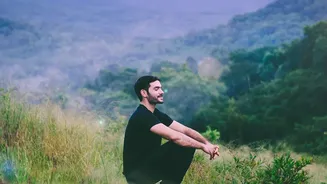
returning home more exhausted than when you left. Today, that mindset is being replaced by a powerful new motivation: the need for a genuine break. Increasingly, Indians are planning trips not around an itinerary, but around the desire to disconnect, decompress, and disrupt the monotonous rhythm of modern life. This shift marks a move away from travel as an act of consumption to travel as an act of restoration.
The Burnout Epidemic's Role
This change is not happening in a vacuum. It’s a direct response to the pressures of contemporary urban life. With some of the highest rates of workplace burnout globally, professionals in India are grappling with long work hours, constant digital connectivity, and the mental load of a life that is always 'on'. A recent Deloitte survey highlighted this, finding that around 70% of Indian Gen Z and 64% of millennials report feeling burnt out. In this context, travel is no longer an indulgence but a necessary coping mechanism. Psychologists note that escaping the structured, high-pressure environment of daily life allows the brain's cognitive resources to replenish, making rest an act of essential maintenance rather than laziness.
The Rise of 'Slow' and 'Mindful' Journeys
This new desire is giving rise to different kinds of holidays. 'Slow travel'—the practice of staying in one place for longer to immerse oneself in the local culture—is gaining significant traction. Instead of multi-city sprints, travellers are opting for extended stays in a single location, whether it's a quiet homestay in Goa, a remote cottage in the Himalayas, or a wellness retreat in Kerala. This approach prioritises connection over speed and experiences over checklists. Similarly, the wellness tourism market in India is booming, projected to grow significantly as people plan entire trips around yoga, meditation, and Ayurveda. Digital-detox escapes, where the main activity is to disconnect from screens, are one of the fastest-growing segments.
A Shift in How We Travel
The trend is also changing the logistics of travel. The single, long annual vacation is giving way to shorter, more frequent 'micro-holidays' and spontaneous weekend getaways. Reports show that many domestic trips are booked just days in advance, with an average duration of only a couple of nights. This suggests travel is becoming a habitual part of life rather than a once-a-year event. This spontaneity is fuelling what some call 'just because' travel—trips taken not for a milestone event, but simply to escape a bad week or enjoy good weather. Even the definition of a getaway is expanding, with 'two-hour getaways' like a sound-healing session or a quiet walk in a park becoming popular ways to find a mental reset without leaving the city.