






The Allure of High-Intensity Skipping
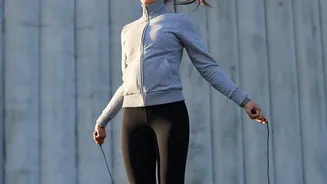
There's no denying the efficiency of skipping. It's a high-intensity workout that engages multiple muscle groups, from your calves to your core and shoulders. Research shows that just 10 minutes of skipping can offer similar cardiovascular benefits to 30
minutes of jogging. This makes it an incredibly attractive option for those short on time but serious about results. Beyond burning a significant number of calories—up to 10 per minute—skipping is fantastic for improving coordination, balance, and bone density. It forces your body and mind to work in sync, enhancing agility and athletic performance, which is why it has long been a staple for boxers and other athletes.
The Steady Power of Walking
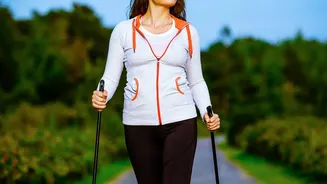
Walking is often dismissed as a less serious form of exercise, but its power lies in its accessibility and sustainability. As a low-impact activity, it's gentle on the joints, making it a safe choice for people of all ages and fitness levels. You don’t need special equipment or training; you just need a comfortable pair of shoes. Regular brisk walking improves circulation, lowers blood pressure, strengthens bones, and helps manage weight. Perhaps its greatest advantage is consistency. Unlike high-impact workouts that can lead to soreness or injury, walking is an activity most people can do daily, making it a reliable foundation for long-term health and wellness.
Red Flags: When to Choose Walking
Despite its benefits, high-intensity skipping is not suitable for everyone. The repetitive impact can be problematic for individuals with pre-existing joint issues, especially in the knees, ankles, and hips. If you have a history of joint pain, arthritis, or a recent injury, the lower-impact nature of walking is a much safer alternative. Furthermore, certain medical conditions warrant caution. Individuals with heart problems, unmanaged high blood pressure, or respiratory conditions like asthma should consult a doctor before starting a vigorous activity like skipping. Pregnancy and postpartum recovery are also periods when high-impact exercise is generally not recommended due to changes in joints and pelvic floor stress. For absolute beginners to exercise, jumping straight into intense skipping can be a recipe for injury. Walking provides a safer entry point to building a fitness base.
Technique and Injury Risk
The risk of injury with skipping often comes down to improper form. Jumping too high, landing flat-footed instead of on the balls of your feet, and using a rope that's the wrong length can all lead to problems like shin splints, calf strain, or joint pain. While correct technique can make skipping a lower-impact activity than running, there is still a learning curve. Walking, by contrast, has a much lower barrier to entry. While proper posture is beneficial, the fundamental movement is natural, and the risk of acute injury is significantly lower, making it a more forgiving option as you build confidence and strength.
The Best of Both Worlds
The choice between walking and skipping doesn't have to be mutually exclusive. In fact, these two activities can complement each other perfectly within a balanced fitness routine. You can use walking as a low-intensity warm-up before a skipping session or as a cool-down to gradually lower your heart rate. On active recovery days, a brisk walk can help soothe sore muscles and maintain momentum without adding extra stress to your body. For those looking to progress, an interval approach works well: alternate a few minutes of brisk walking with short bursts of skipping. This allows you to reap the high-intensity benefits of skipping while using walking as a built-in recovery period, improving your endurance over time.