

The Spectacular Perseid Meteor Shower
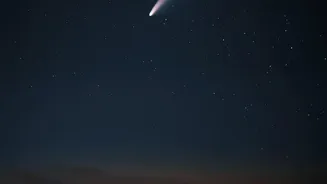
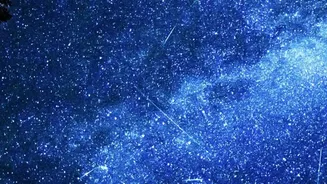
The absolute highlight of August is the annual Perseid meteor shower, known for its bright and plentiful shooting stars. This year is particularly special because the shower's peak on the night of August 12-13 coincides with a new moon, creating perfectly
dark skies for optimal viewing. The Perseids are caused by Earth passing through the debris trail left by Comet Swift-Tuttle. For viewers in India, the best time to watch is in the pre-dawn hours of August 13, roughly between 2:00 AM and 4:30 AM IST, when you might see up to 100 meteors per hour in a clear, dark sky. Find a spot away from city lights, let your eyes adjust for about 20-30 minutes, and look towards the northeast. No telescope is needed for this breathtaking natural fireworks show.
A Pre-Dawn Parade of Planets
In mid-August, skywatchers are treated to a rare alignment of six planets. In the hour before sunrise, you can spot Mercury, Jupiter, Mars, Saturn, Uranus, and Neptune stretched across the sky. While Uranus and Neptune require binoculars or a telescope, the other four are visible to the naked eye. Look for Mars with its distinct reddish glow, bright silvery Jupiter low on the eastern horizon, and Saturn shining with a steady, yellowish hue. This celestial gathering will be visible for several days around August 12-18, offering multiple chances to witness this grand cosmic lineup before the sun rises.
The Glorious Summer Milky Way
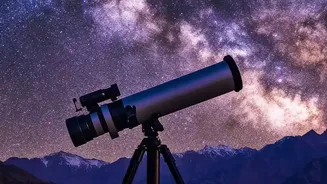
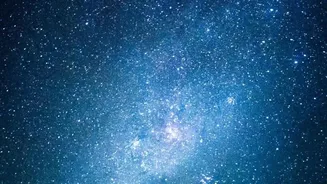
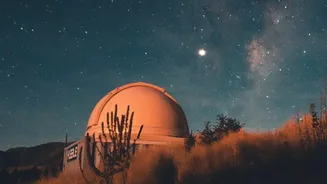
August is one of the last prime months to view the heart of our own galaxy, the Milky Way. During this time, the galactic core, located in the direction of the constellations Sagittarius and Scorpius, is visible as a dense, glowing band of stars. The new moon around August 12 makes it an ideal time for this, as the lack of moonlight reveals the galaxy's faint structure. You'll need to be in a location with very dark skies, far from urban light pollution. In India, high-altitude regions like Ladakh or desert areas offer the clearest views, though any dark rural spot on a clear, monsoon-free night can provide a truly awe-inspiring sight. Look towards the south after sunset to see this hazy, star-filled river stretching across the sky.
Saturn Shines Bright
The magnificent ringed planet, Saturn, puts on a great show throughout August. Though its official opposition (when it is brightest and closest to Earth) is in early October, it will already be a brilliant object in the sky. In late August, you can spot Saturn shining in the south in the early morning hours. As the month progresses, it rises earlier and becomes a prominent feature of the late-night sky. Its steady, golden light makes it easy to distinguish from twinkling stars. Even a small telescope will reveal its famous rings, a sight that never fails to impress.
Moon Pairings and Constellations
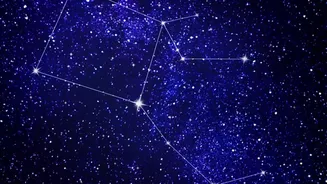
The moon itself offers some beautiful sights as it journeys across the sky. On August 7, a crescent moon will appear near the Pleiades star cluster, also known as the Seven Sisters, in the early morning. Just two days later, on August 9, it will have a close conjunction with Mars. Later in the month, look for the waxing moon near the bright red star Antares in the constellation Scorpius around August 19-20. This is also a great time to familiarize yourself with the Summer Triangle, an asterism formed by three bright stars—Vega, Deneb, and Altair—which will be high overhead on August evenings.