


Embracing the Emerald Canvas
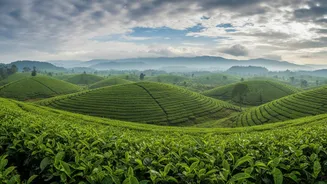
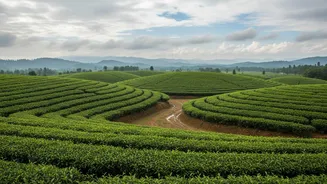
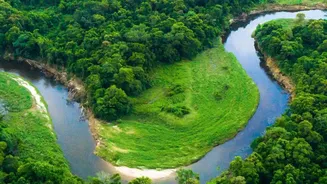
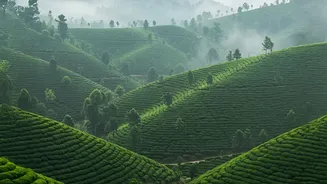
While many tourist destinations wind down during the monsoon, Assam awakens in a spectacular display of nature's vibrancy. From June to October, the rains wash over the plains, rejuvenating every leaf and blade of grass. The state’s famed tea gardens,
sprawling across districts like Jorhat and Dibrugarh, become even more mesmerising. The landscape is painted in countless shades of green, with mist-covered hills and the fresh scent of petrichor creating an atmosphere of unparalleled tranquillity. For those seeking solitude and a deep connection with nature, this so-called 'off-season' reveals Assam at its most raw and beautiful, with fewer crowds and more affordable accommodation.
Wildlife Parks and Monsoon Realities
It is crucial to set the right expectations for wildlife spotting. Major attractions like Kaziranga National Park and Manas National Park remain largely closed to tourists from around June to October. This is a necessary measure for visitor safety, as the Brahmaputra River often floods large areas, making safari trails impassable. However, this period is vital for the ecosystem's rejuvenation. While core safari zones are off-limits, the areas surrounding the parks become incredibly picturesque. Some smaller sanctuaries like Pobitora, known for its dense rhino population, may offer experiences on their fringes, and the lush wetlands attract a spectacular array of birdlife. Always check with local authorities for the most current information on park access.
Destinations That Shine in the Rain
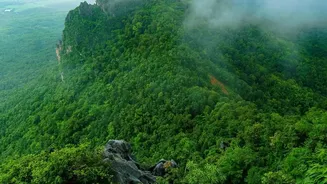
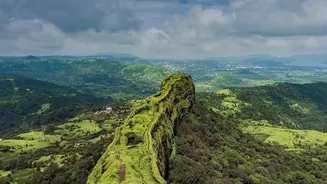
Monsoon travel in Assam is about discovering the places that thrive during this season. Haflong, the state's only hill station, becomes a mystical wonderland with clouds drifting through its valleys and waterfalls appearing overnight. The world's largest river island, Majuli, offers a different kind of serenity as the Brahmaputra swells, creating dramatic and beautiful landscapes. In cities like Guwahati and Tezpur, the rain adds a soulful charm. The Kamakhya Temple feels even more mystical against grey skies, and a quiet walk along the rain-swept riverfront offers a moment of peaceful contemplation.
The Heartbeat of Tea Gardens
The monsoon is a vital season for Assam's tea industry, and visiting a tea estate during this time offers a unique perspective. While the heavy rains can make some activities challenging, the summer flush (June-August) is when the bold, malty teas that Assam is famous for are harvested. Many estates in Upper Assam, near Jorhat and Dibrugarh, welcome visitors year-round. You can stay in charming colonial-era bungalows, witness the tea-making process, and enjoy freshly brewed cups while watching the rain nourish the endless rows of tea bushes. It’s an immersive experience that connects you to the heart of Assam’s culture and economy.
Practical Advice for Your Monsoon Journey
Traveling in Assam during the monsoon requires some planning. The weather can be unpredictable, with the potential for heavy downpours leading to travel delays or landslides in hilly areas. It's essential to build flexibility into your itinerary and monitor local weather advisories. Pack waterproof clothing, sturdy non-slip footwear, and insect repellent. While the Brahmaputra is often too swollen for long-distance cruises, shorter ferry rides can still be a magical experience. Despite the challenges, the rewards are immense: a chance to see a landscape at its most vibrant and experience a quieter, more intimate side of this incredible state.