




The Nutritional Powerhouse
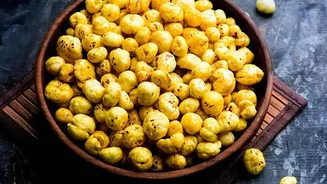
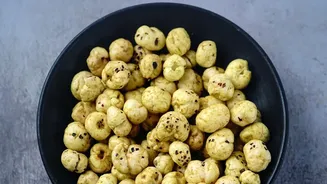
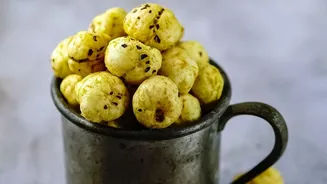
Before becoming the light, airy snack we love, makhana starts as the seed of the Euryale ferox plant. Once harvested and popped, it becomes a nutritional giant. Unlike many processed snacks, makhana is naturally low in fat, cholesterol, and sodium. Instead,
it is packed with essential nutrients. A typical handful provides a healthy dose of plant-based protein, dietary fibre, and complex carbohydrates. Furthermore, it is a treasure trove of minerals, particularly magnesium, potassium, calcium, and phosphorus, which are crucial for everything from heart and bone health to muscle function and metabolism.
The Low-Calorie Champion
In the battle against unhealthy munchies, lotus seeds are a clear winner. A 30-gram serving of plain roasted makhana contains around 100-105 calories, whereas the same amount of potato chips can easily pack 160 calories with significantly more fat. Fried snacks like samosas or bhujia are even heavier. The superiority of makhana lies in its high satiety value; the combination of protein and fibre helps you feel full and satisfied for longer, curbing the urge to overeat. This makes it an ideal choice for mindful snacking and effective weight management.
A Friend to Blood Sugar
For individuals managing blood sugar levels, including those with diabetes, finding a safe and satisfying snack can be a challenge. Makhana is an excellent solution due to its low glycemic index (GI). Foods with a low GI release sugar into the bloodstream slowly, preventing the sharp spikes and subsequent crashes in energy and glucose levels that are common with high-sugar or refined-carb snacks. The high fibre content further aids in regulating blood sugar absorption, making it a reliable and smart choice for stable energy throughout the day.
Rooted in Indian Tradition
Long before it became a trendy health food, makhana was deeply embedded in Indian culture. For centuries, it has been a staple in Ayurvedic medicine and a go to food during religious fasts, particularly Navratri. Its use in traditional offerings, or prasad, highlights its cultural significance, symbolizing purity and prosperity. This rich history means that by choosing makhana, you are not just adopting a new health fad but reconnecting with a time tested tradition of wise, wholesome eating that has been part of the Indian subcontinent for generations.
The Anti Inflammatory Bonus
Beyond its macroeconomic benefits, makhana also contains valuable bioactive compounds. It is rich in antioxidants and flavonoids like kaempferol, which have been noted for their anti inflammatory properties. Chronic inflammation is a known contributor to many modern lifestyle diseases. While not a cure, incorporating foods rich in natural anti inflammatory agents into your daily diet is a proactive step towards better long term health. The presence of these compounds adds another layer to makhana's 'superfood' status.
Versatility in the Kitchen
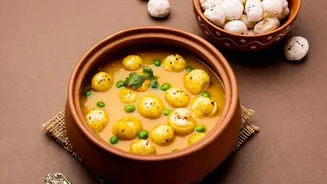
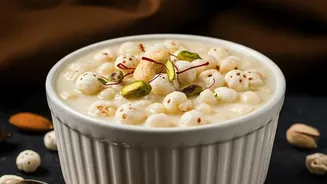
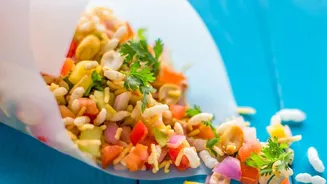
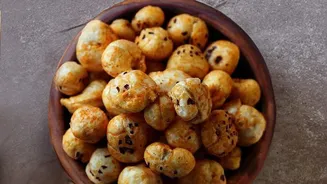
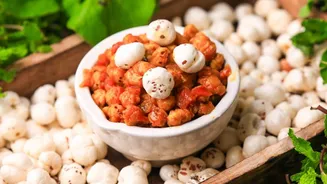
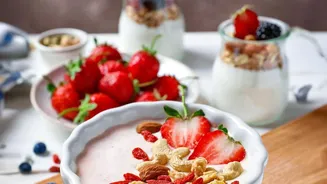
Perhaps one of the greatest strengths of lotus seeds is their sheer versatility. While a simple roast with a pinch of salt and a dash of ghee is a classic, the possibilities are endless. You can toss them with chaat masala for a spicy kick, add them to bhel puri for extra crunch, or even incorporate them into rich curries and gravies. For a sweet treat, makhana can be coated in caramel or used to make a nutritious kheer. This adaptability ensures that you can enjoy the benefits of makhana daily without ever getting bored.