




The Foundation of a Healthy Coat
Before diving into any specific diet, it's important to understand what makes a pet's coat shine in the first place. A healthy coat is built from the inside out, relying on a foundation of high-quality nutrients. The hair itself is made almost entirely
of protein, so sufficient intake is crucial for strong follicles and reduced shedding. Beyond protein, essential fatty acids, particularly omega-3s and omega-6s, are vital. These fats help maintain the skin's moisture barrier, reduce inflammation, and promote the natural oil production that gives fur its gloss. Vitamins like E and biotin, along with minerals like zinc, also play indispensable roles in skin cell regeneration and overall coat health.
The Raw Food Argument
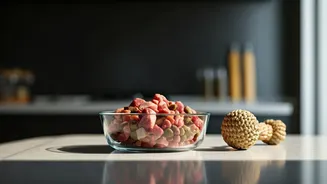
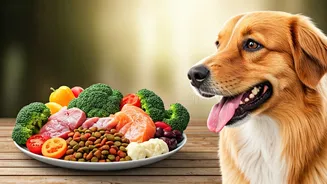
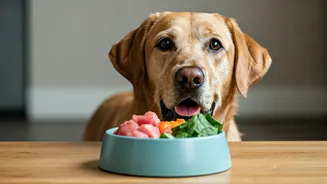
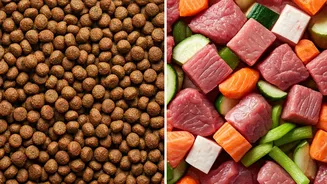
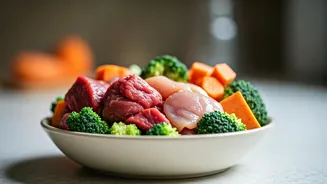
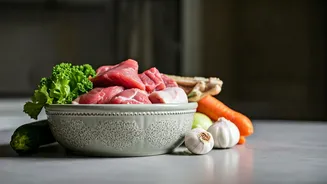
Proponents of raw feeding believe this diet delivers these key nutrients in their most natural and bioavailable form. The core philosophy is that a diet of unprocessed meats, organs, and bones mimics what a dog's ancestors ate. They argue that high-heat processing used to make commercial kibble can degrade some of the sensitive nutrients, particularly fatty acids and certain vitamins. In a raw diet, ingredients like oily fish, grass-fed meat, and organ meats are packed with omega-3 and omega-6 fatty acids. Advocates claim that because these nutrients are minimally processed, the pet’s body can absorb and utilize them more efficiently, leading to visible results like a softer, shinier coat.
The Role of Customisation
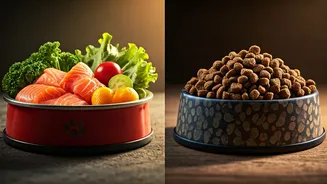
The 'custom' aspect of these diets adds another layer to the belief. A one-size-fits-all approach doesn't work for every pet. Custom raw food plans are often tailored to a pet's specific age, breed, weight, activity level, and any existing health issues, such as allergies. This personalization aims to deliver an optimal balance of nutrients. For instance, a dog with dry, flaky skin might receive a formula with a higher concentration of omega-3-rich ingredients like salmon or fish oil. This targeted nutritional strategy is a major reason why pet parents feel these diets are more effective than off-the-shelf options, as they directly address their pet's individual needs.
Anecdotal Success vs. Scientific Scrutiny
The belief in raw food's coat-restoring powers is largely driven by anecdotal evidence. Countless pet owners report seeing a dramatic transformation in their pets' coats within weeks of making the switch. However, the scientific community and many veterinarians urge caution. While the nutritional principles make sense—more high-quality fats and proteins can improve a coat—there is limited formal research that directly proves raw diets are superior to high-quality commercial foods for this purpose. Many of the health claims, including improved coat condition, lack robust scientific backing and are based on owner testimonials.
What Veterinarians Say
Major veterinary associations, including the American Veterinary Medical Association (AVMA) and the Canadian Veterinary Medical Association (CVMA), discourage feeding raw meat-based diets to pets. Their primary concerns are twofold: nutritional imbalance and pathogen contamination. A homemade or poorly formulated raw diet can easily lack essential vitamins and minerals, or have them in the wrong ratios, which can lead to significant health problems over time. Furthermore, raw meat presents a risk of contamination with bacteria like Salmonella and E. coli, which can sicken both pets and the humans in the household. While proponents argue a healthy dog's system can handle it, veterinary bodies maintain that the risks of pathogen exposure often outweigh the purported benefits.