




The Gut Health Glow-Up
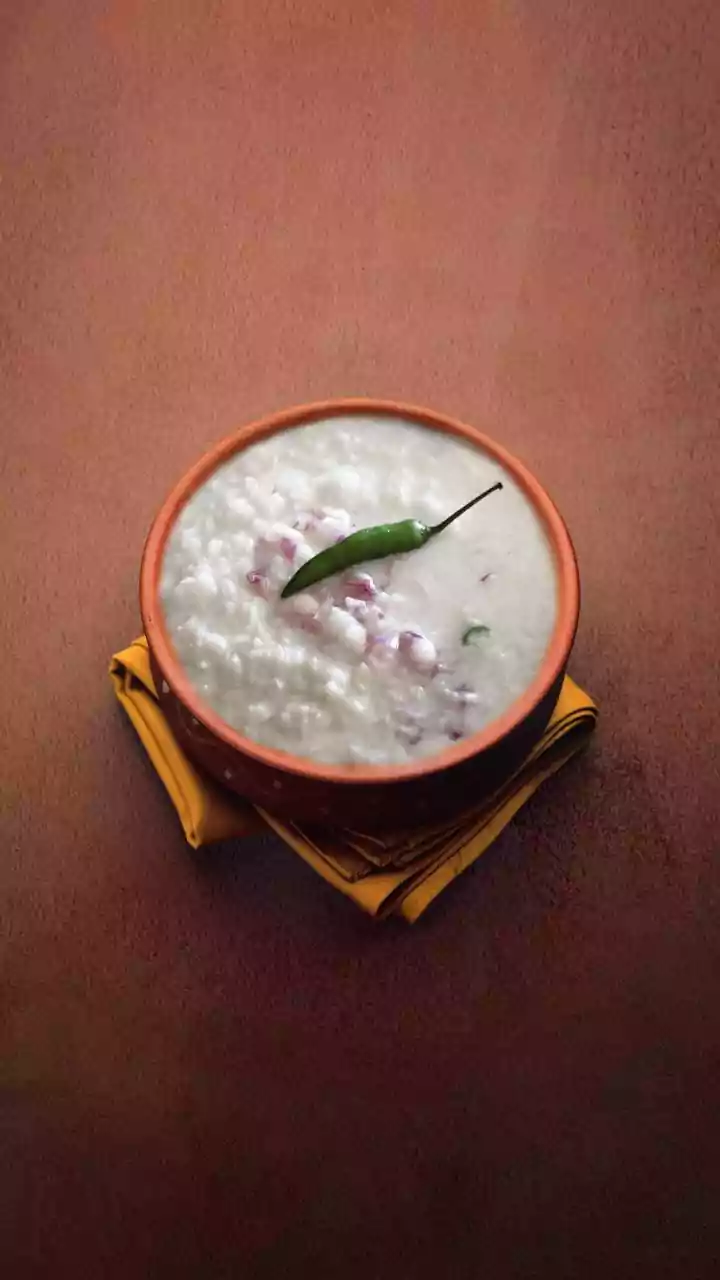
The conversation around wellness has moved inward, focusing on the gut as the ‘second brain’. This has sparked a rediscovery of traditional Indian food wisdom. Fermented foods, long a staple in Indian households, are now celebrated for their probiotic
power. Items like homemade curd, buttermilk (chaas), and fermented rice dishes like idli and dosa are being appreciated for their role in promoting a healthy gut microbiome. This trend isn't just about looking back; it's also embracing global influences. Probiotic-rich foods like kimchi and kefir are finding their way into Indian lunch bowls, often alongside prebiotic-rich ingredients like onions, garlic, and whole grains that feed good bacteria. This focus on digestive wellness is here to stay because it’s not about restriction but about adding nourishing, functional foods that improve everything from immunity to mood.
Plant-Forward Power Plates
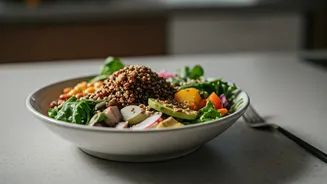
Plant-based eating in India is evolving beyond its deep-rooted vegetarian traditions into a more modern, intentional approach. The new plant-forward plate is not just about avoiding meat; it's about constructing a balanced, nutrient-dense meal. This shift is driven by a growing awareness of health and environmental sustainability. Lunches are now being built around high-quality plant proteins from lentils, chickpeas, and soy products like tofu and tempeh. Restaurants and corporate caterers are increasingly offering dedicated vegan menus, making it easier for people to access these options. This trend has staying power because it aligns with a global movement towards sustainability and addresses rising health concerns, offering benefits like reduced risk of heart disease and better weight management.
The Great Millet Revival
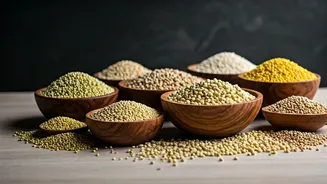
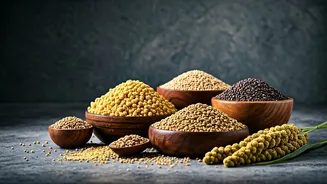
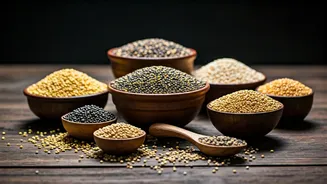
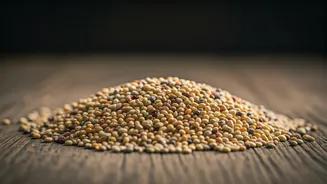
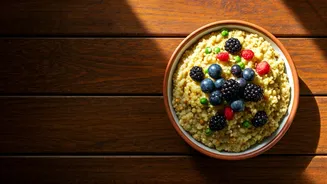
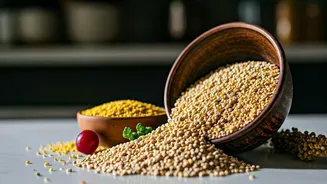
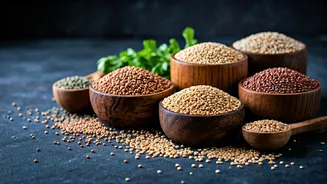
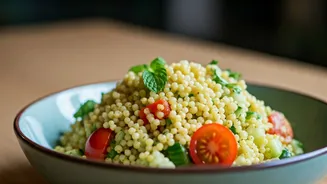
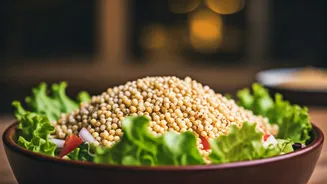
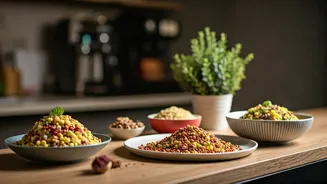
Millets are making a major comeback in Indian kitchens, moving from the background to the center of the plate. Once considered humble grains, millets like ragi (finger millet), jowar (sorghum), and bajra (pearl millet) are now hailed as superfoods for their high fibre, protein, and gluten-free properties. They are incredibly versatile, appearing in lunchboxes as everything from millet pulao and khichdi to ragi idlis and jowar rotis. This revival is supported by a push for rediscovering traditional grains that are both nutritious and resilient to climate change. Because they offer a healthy alternative to refined grains and are deeply integrated into India's culinary heritage, millets are not just a trend but a fundamental shift in dietary patterns.
Convenience Without Compromise
The demand for healthy food is intersecting with the reality of busy urban lifestyles. This has fueled the rise of healthy meal subscription services and food delivery platforms that cater specifically to the health-conscious consumer. Companies now offer curated meal plans for weight loss, muscle gain, or general wellness, delivering portion-controlled, nutritious meals directly to offices and homes. Even mainstream apps like Zomato are introducing 'Healthy Mode' features, allowing users to filter for meals based on nutritional information. This trend is enduring because it provides a practical solution to a common problem: how to eat healthy without the time and effort of daily meal prep. It makes consistent, clean eating accessible to everyone, from working professionals to busy families.