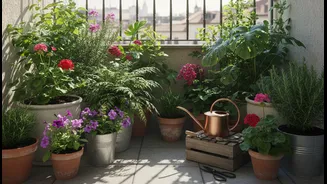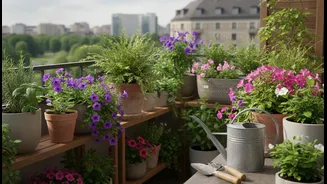



Mastering Mid-Summer Watering
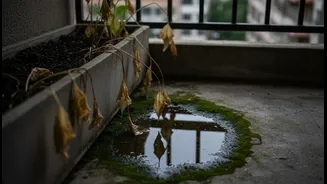
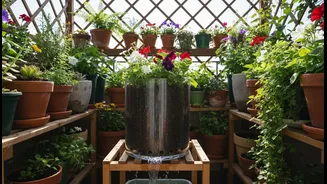
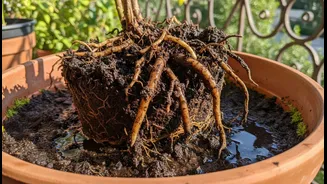
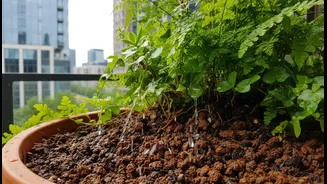
The single most critical task in July is managing water. As temperatures rise, container soil dries out rapidly. However, the goal is not to water more frequently, but more deeply. Frequent, shallow watering encourages roots to stay near the hot surface,
making them vulnerable. Instead, water thoroughly until it drains from the bottom of the pot, then wait until the top inch or two of soil feels dry before watering again. The best time to water is early in the morning, before 9 AM, which allows the plants to absorb moisture before the day's heat peaks and reduces evaporation. Avoid watering in the hot afternoon, as it can shock the roots. For very small pots or those in intense sun, a second check in the evening may be necessary.
Provide Relief from the Heat
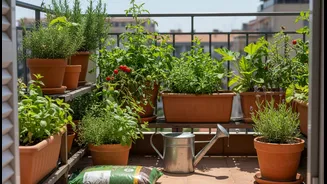
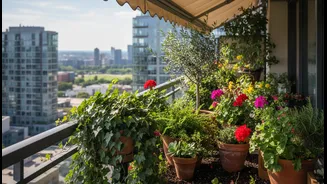
Direct, intense afternoon sun can scorch leaves and overheat pots, cooking the delicate roots inside. Grouping pots together is a simple but effective strategy; it creates a cooler, more humid microclimate between the plants. For balconies that face south or west and receive relentless sun, providing shade is crucial. You don't need a professional setup; an old bedsheet, a dupatta, or a simple green shade net can diffuse the harshest rays and significantly lower the temperature around your plants. Also, consider your containers. Light-coloured ceramic or traditional terracotta pots stay much cooler than dark plastic ones, which absorb and retain heat.
Pruning, Pinching, and Deadheading
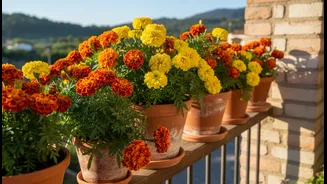
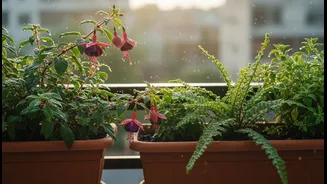
July is a key month for 'maintenance pruning' to keep your plants productive and tidy. The primary task is deadheading, which is the simple act of removing spent or faded flowers. When a plant's flowers die, it puts energy into creating seeds. By snipping off these old blooms, you signal the plant to redirect that energy into producing new flowers, extending the blooming season for varieties like roses, petunias, and marigolds. For flowering plants, you can simply pinch off the old bloom or use shears to cut the stem just above a healthy set of leaves. For herbs like basil or mint, regularly pinching off flower buds will prevent the leaves from losing their flavour.
The Constant War on Pests
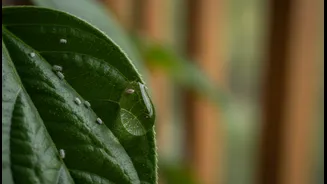
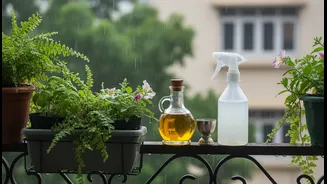
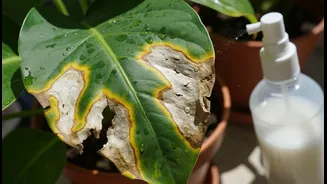
Warm, humid conditions are a breeding ground for common balcony pests like aphids, spider mites, and mealybugs. Inspect your plants regularly, paying close attention to the undersides of leaves and new growth, where pests love to hide. Catching an infestation early is key. Many common pests can be managed with simple, non-toxic solutions. A spray made from neem oil is a powerful, organic option for controlling a wide range of insects. For smaller outbreaks, a strong jet of water or wiping the leaves with a simple soap and water solution can be effective.
Feeding Your Container Garden
Plants in pots rely entirely on you for nutrients. With frequent watering, essential nutrients are constantly being washed out of the soil. This means regular feeding is necessary to keep your plants healthy and vigorous. During the main growing season, applying a balanced liquid fertiliser every one to two weeks can make a huge difference. However, it's wise to reduce fertilising during extreme heatwaves, as it can stress the plants further. You can also top-dress the soil with a layer of vermicompost or other solid organic manure every few months to slowly release nutrients into the soil.