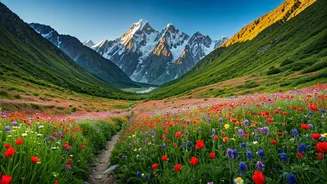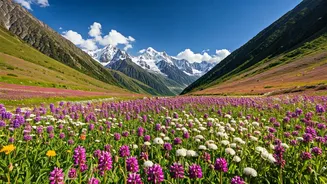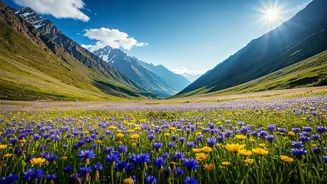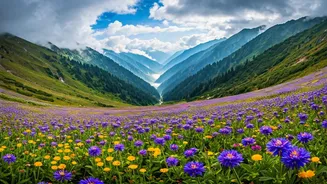



Why This Trek is So Special
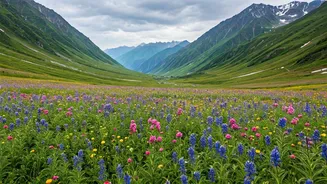
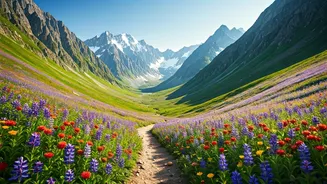
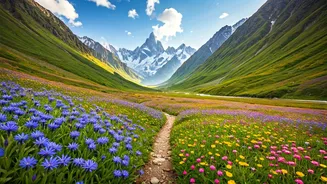
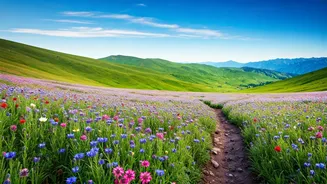
The Valley of Flowers National Park isn't just another beautiful Himalayan meadow. It’s a place of legend and extraordinary biodiversity. A designated UNESCO World Heritage Site, it’s believed to be the mythical 'Sanjeevani' from the Ramayana, the place where
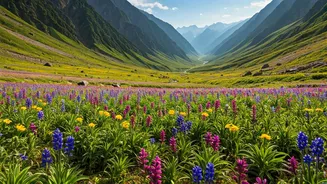
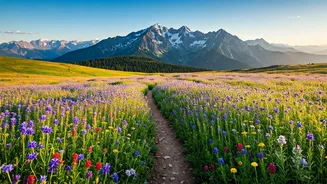
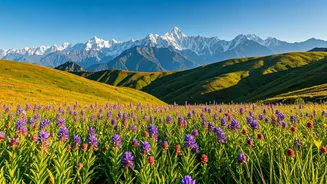
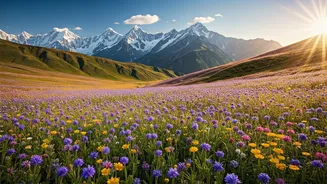
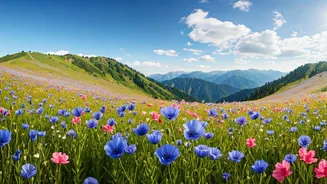
Hanuman found the life-saving herb. For a few short months each year, this high-altitude valley transforms into a breathtaking canvas of over 500 species of flowers, including the elusive blue poppy and the Brahma Kamal. The Pushpawati River flows through its centre, and the entire landscape is cradled by snow-capped peaks, making it a truly ethereal experience.
Choosing the Best Time to Visit
While the park is open from June to October, the experience changes dramatically each month.
**June:** The season begins. Snow is still melting, and the crowds are thinner. The floral bloom is in its early stages, but the landscape is lush and green. It's a great time for those who prefer more solitude.
**July to August:** This is the peak season. The monsoon rains bring the valley to life, with flowers in full, glorious bloom. Expect a riot of colour everywhere you look. However, this is also the busiest period, and you should be prepared for rain and potential landslides on the approach roads.
**September:** The rains recede, and the colours of the valley begin to change. You’ll see a new set of autumn flowers, and the crowds start to thin out again. The weather is generally clearer, offering crisp views of the surrounding mountains.
A Sample Itinerary
Planning is key for this trek. Most trekkers start their journey from Haridwar or Rishikesh. Here’s a typical 6-day plan:
**Day 1:** Drive from Haridwar/Rishikesh to Govindghat or Pulna. This is a long journey of about 8-10 hours. It's best to start early.
**Day 2:** Trek from Pulna to Ghangaria (approx. 9 km). Pulna is the starting point of the trek. The trail to Ghangaria, the base camp for the valley, is a steady but manageable ascent along the river.
**Day 3:** Trek to the Valley of Flowers and back to Ghangaria (approx. 8 km round trip). You'll spend several hours exploring the 3-4 km stretch of the valley before returning to your guesthouse.
**Day 4:** Trek to Hemkund Sahib and back to Ghangaria (optional, 12 km round trip). This is a much steeper and more challenging trek to a high-altitude Sikh gurudwara and glacial lake. The views are stunning, but it requires good fitness.
**Day 5:** Trek down from Ghangaria to Pulna and drive to Joshimath/Pipalkoti.
**Day 6:** Drive back to Haridwar/Rishikesh.
Trek Difficulty and Fitness
The Valley of Flowers trek is generally rated as easy to moderate. There are no sections that require technical climbing skills. However, it does require a decent level of physical fitness. You will be walking for several hours each day, often on uneven terrain and at high altitudes (Ghangaria is at 10,000 ft, and the valley itself is higher). The biggest challenge for many is the steady ascent. It's advisable to start a fitness routine involving jogging, long walks, and stair climbing at least a month before your trip to build stamina.
Permits, Accommodation, and Costs
Permits for the Valley of Flowers can be obtained at the entry gate just beyond Ghangaria. You will need a valid photo ID. The permit is typically valid for three days. Ghangaria is the only place to stay overnight for this trek, as camping within the national park is not allowed. It has a number of basic guesthouses and hotels, as well as a government-run tourist rest house. It's wise to book in advance during the peak season. Expect basic amenities. Food is readily available, with several dhabas serving simple North Indian meals.
Essential Packing List
Packing light but smart is crucial.
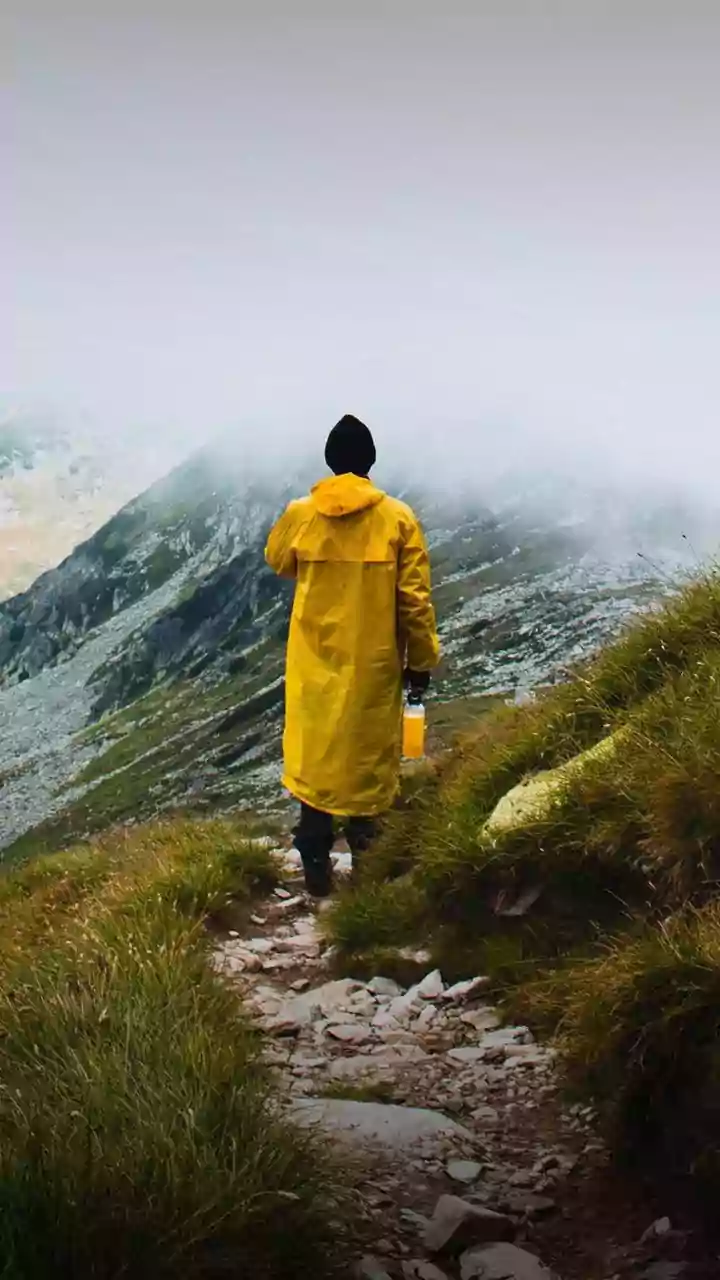
**Clothing:** Layering is key. Pack quick-dry t-shirts, a fleece jacket, and a down jacket for warmth. A reliable waterproof jacket and pants are non-negotiable, especially during monsoon season.
**Footwear:** Sturdy, waterproof trekking shoes with good grip are your most important piece of gear. Make sure they are well broken-in.
**Essentials:** A small backpack (20-30L), a water bottle, sunscreen, sunglasses, a cap, and a basic first-aid kit with medicines for headache, altitude sickness, and stomach issues. A power bank is also essential as electricity in Ghangaria can be erratic.
**Documents:** Carry your original ID card and a few photocopies.