


Keeping your hair out of your face is essential for a good workout, but the wrong accessories can lead to slipping, snagging, and damage. Choosing sweat-friendly hairbands and pins is a game-changer for active lifestyles.
The Problem with Everyday Hair Ties
That standard elastic hair tie
you use daily might not be your best friend at the gym. Many are made with materials like cotton that absorb sweat, becoming heavy, stretched-out, and prone to slipping mid-workout. This can be a major distraction. Furthermore, the tight grip and often-present metal clasps can cause significant friction and tension on the hair shaft. This repeated stress, especially when hair is damp with sweat and more fragile, can lead to breakage, split ends, and even gradual hair thinning known as traction alopecia. A hairstyle that feels 'snatched' might be cute, but it’s often placing undue stress on the delicate follicles around your hairline.
Choose Materials That Perform
The secret to a great workout headband lies in its material. Look for synthetic fabrics specifically designed for athletic performance. Polyester and nylon are excellent choices because they are hydrophobic; instead of absorbing moisture, they pull sweat away from your skin to the fabric's surface where it can evaporate quickly. This is known as moisture-wicking. Spandex or elastane is blended in to provide stretch and recovery, ensuring the band stays in place without losing its shape. For those with sensitive skin or who prefer a softer feel for lower-intensity workouts, a cotton-spandex blend can be a comfortable alternative, though it will absorb more moisture. Some modern accessories even use innovative materials like bamboo fabric, which is highly absorbent, breathable, and hypoallergenic.
Headbands Designed for a No-Slip Grip
A good workout headband needs to stay put through burpees and sprints. Many athletic headbands feature a velvet or silicone lining on the inside. This non-slip grip is crucial for keeping the band secure without having to wear it uncomfortably tight. The width also matters. Wider bands, from 4 to 8 inches, offer more coverage to absorb sweat and are excellent for keeping thicker or natural hair under control, protecting edges and hairlines. Thinner bands are a great, lightweight option for keeping flyaways at bay. Adjustable headbands provide a customizable fit, which is key to preventing both slippage and headaches.
Gentler Alternatives to Traditional Elastics
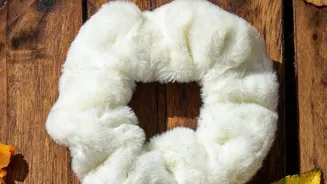
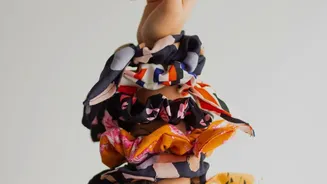
Beyond headbands, the ties you use for ponytails and buns make a huge difference. Spiral or coil hair ties, which resemble old telephone cords, are a popular choice. Their unique shape distributes pressure more evenly, which can reduce the tell-tale ponytail crease and minimize tension headaches. They are generally considered to cause less breakage because their smooth plastic surface creates less friction than a standard elastic. However, they may not be suitable for all hair types, as fine hair can sometimes get tangled in the coils. Fabric-coated elastics, especially soft scrunchies made of satin or velvet, are another fantastic option. They slide over the hair with minimal friction and are much gentler when securing styles like buns or ponytails.
Workout-Ready Hairstyles
Pairing the right accessories with a secure hairstyle is the ultimate combination for success. Braids, whether French, Dutch, or a simple pigtail, are ideal as they keep hair contained, prevent tangles, and distribute tension evenly across the scalp. A top knot or a high bun secured with a gentle scrunchie keeps hair completely off the neck, which is great for heated classes. For activities that involve lying on a mat, like Pilates or certain yoga poses, a low bun or a low, braided ponytail is more comfortable and prevents a lump at the back of your head. Claw clips have also made a comeback as a quick and easy way to put hair up without causing the tension of an elastic.