



Meet Your Microbiome
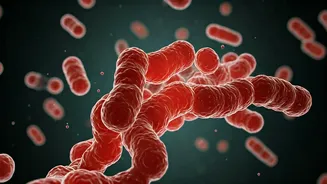
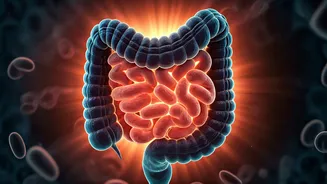
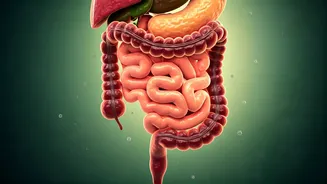
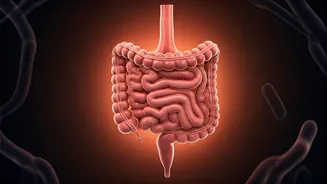
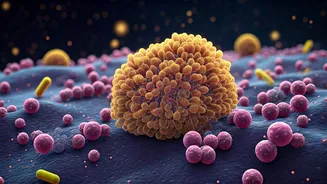
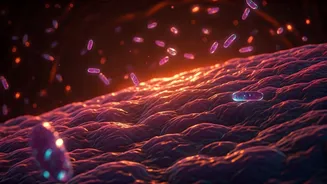
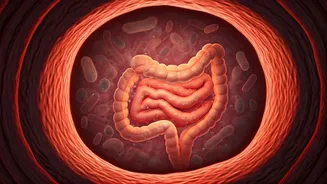
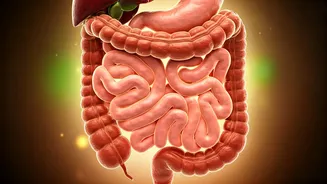
Imagine a bustling city inside your digestive system. This is your gut microbiome, a complex community of trillions of bacteria, fungi, and other microbes. For a long time, we viewed bacteria only as germs to be destroyed. But scientists now understand
that most of these tiny residents are crucial allies. This diverse ecosystem helps digest food, produces essential vitamins like B12 and K, and forms a protective barrier against harmful invaders. Each person's microbiome is unique, shaped by genetics, diet, lifestyle, and environment. Think of it not as a foreign entity, but as a fundamental part of you—an organ you can influence every single day.
More Than Just Digestion
The influence of your gut microbiome extends far beyond your stomach. One of the most fascinating discoveries is the 'gut-brain axis,' a constant, two-way communication highway between your digestive system and your brain. This connection helps explain why you might feel 'butterflies' when you're nervous or why prolonged stress can lead to digestive issues. Research suggests that the health of our gut can influence mood, anxiety levels, and even cognitive function. Furthermore, about 70% of your immune system resides in your gut. A healthy, balanced microbiome helps 'train' immune cells to distinguish between friend and foe, which is critical for a robust immune response.
The Good Guys: Probiotics
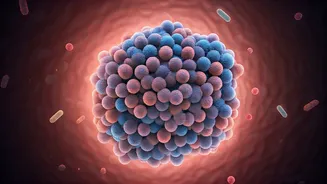
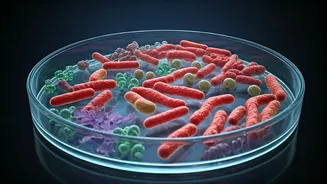
So, how do we support this internal ecosystem? The conversation often starts with probiotics. Probiotics are live, beneficial microorganisms that, when consumed in adequate amounts, can provide a health benefit. They are the 'good guys' that help reinforce your gut's natural population. You don't need expensive supplements to get them; many are found in fermented foods. Think of traditional dahi (curd), kefir, kimchi, kombucha, and pickled vegetables. These foods have been part of Indian diets for generations for good reason. Incorporating a variety of them helps introduce diverse, beneficial strains of bacteria to your system.
Feeding the Team: Prebiotics
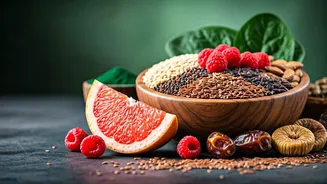
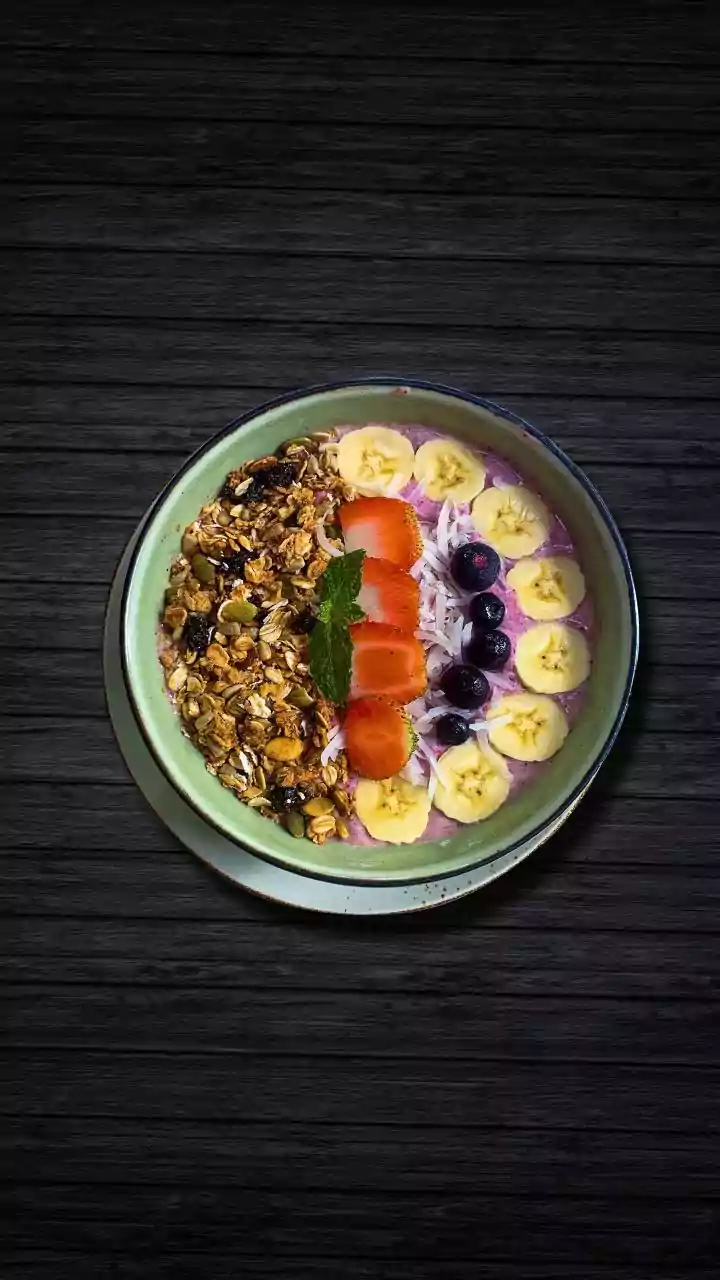
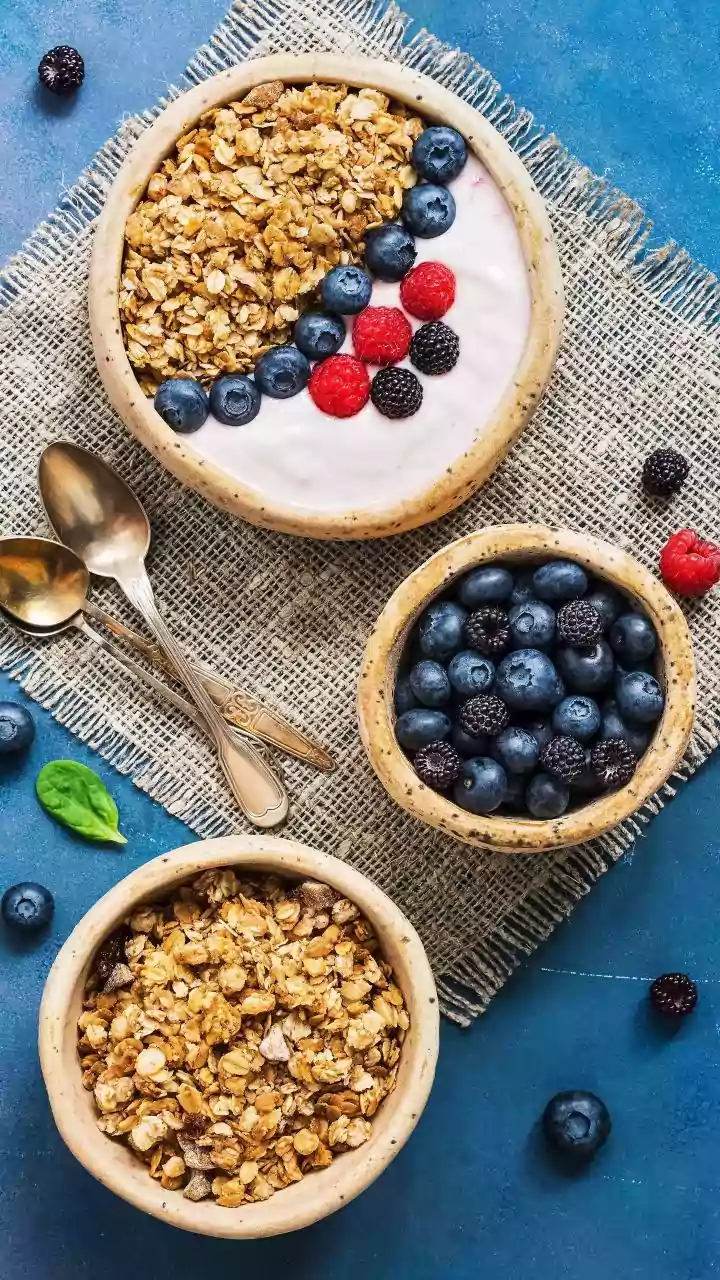
Introducing good bacteria is only half the story. You also need to feed them. That's where prebiotics come in. Prebiotics are types of dietary fibre that your body can't digest, but your gut bacteria can. They act as fuel for your beneficial microbes, helping them grow and thrive. Without prebiotics, probiotics can't do their job effectively. Luckily, prebiotics are abundant in many plant-based foods we eat every day. Excellent sources include onions, garlic, bananas (especially when slightly green), oats, apples, legumes like chickpeas and lentils, and whole grains. The simple mantra is: probiotics add to the team, and prebiotics feed the team.
A Simple, Food-First Approach
You don't need a complicated plan or exotic ingredients to start nurturing your gut. The best approach is to focus on variety and inclusion. Aim to 'eat the rainbow'—the different colours in fruits and vegetables often signify different nutrients and fibres that feed different types of bacteria. Prioritise whole foods over highly processed ones, which are often low in fibre and can contain additives that disrupt gut balance. Instead of focusing on eliminating things, think about what you can add. Can you add a side of dal to your meal? Or swap a refined snack for a piece of fruit? Small, consistent changes have a much bigger impact than drastic, short-lived diets.