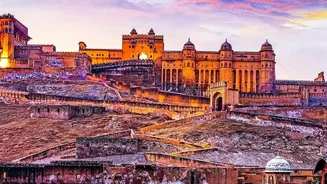





In 2027, the vibrant city of Jaipur will mark a monumental milestone: its 300th anniversary. As the Rajasthan government and local communities plan a year of celebrations, the Pink City is poised for a period of profound reflection.
A City Born of Vision and Vastu
Jaipur was founded
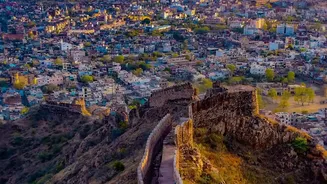
on November 18, 1727, by Maharaja Sawai Jai Singh II, a ruler with a keen interest in science and astronomy. Facing a growing population and water scarcity in his nearby capital of Amer, he envisioned a new, meticulously planned city. Under the guidance of chief architect Vidyadhar Bhattacharya, Jaipur was designed based on the ancient Indian principles of Vastu Shastra. The city was laid out on a grid, divided into nine blocks representing the nine planets of Vedic astrology. Two of these blocks were dedicated to the state buildings and palaces, while the remaining seven were for the public. This grid-based urban plan, with its wide, straight avenues, was remarkably advanced for its time and remains a core part of the city's identity.
How the City Got Its Rosy Hue
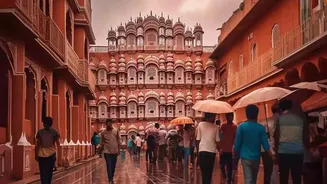
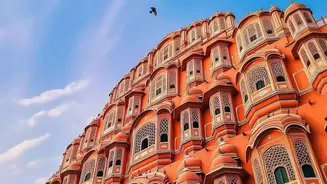
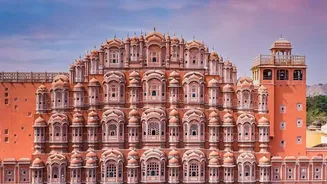
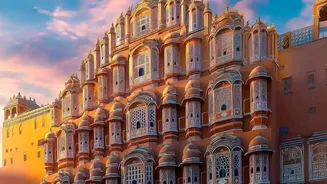
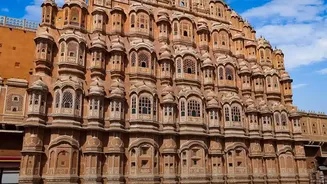
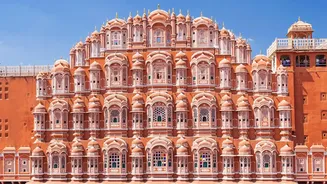
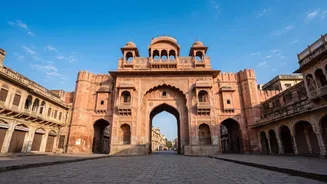
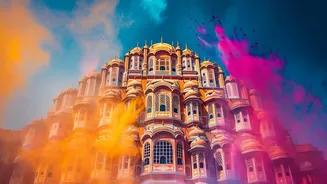
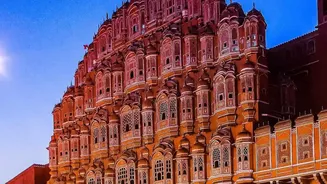
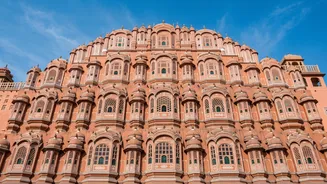
The world knows Jaipur as the 'Pink City', but this famous identity came much later. In 1876, to welcome Albert Edward, the Prince of Wales, Maharaja Sawai Ram Singh II ordered the city's buildings to be painted pink, a colour traditionally associated with hospitality. The Prince reportedly loved the gesture and nicknamed Jaipur the 'Pink City'. The moniker stuck, so much so that a law was passed in 1877 making it mandatory to maintain the pink facade of buildings within the walled city, a rule that largely continues to this day.
Preparing for a Tricentennial Celebration
The Rajasthan government has announced plans for year-long celebrations to commemorate the tricentennial, set to begin around November 2026. While official event details are still emerging, local community and trade bodies have already begun their own initiatives. The Jaipur Vyapar Mahasangh, a traders' association, has launched a campaign focused on heritage conservation, cleanliness, and better traffic management within the historic Walled City. Their plans include street plays, selfie points, and a push for a uniform pink colour scheme for shops to reinforce the city's heritage identity ahead of the milestone.
A Heritage at a Crossroads
Jaipur's upcoming anniversary arrives at a critical juncture. The Walled City was inscribed as a UNESCO World Heritage Site in 2019, recognizing its unique urban plan and living culture. However, this prestigious status is facing challenges. In recent years, UNESCO has raised concerns about illegal construction, demolition of historic havelis, and encroachments that threaten the city's architectural integrity. The Rajasthan High Court has also taken note, warning that the city risks losing its heritage tag if these issues are not addressed before a crucial conservation report is due in December 2026. The number of traditional havelis has reportedly dropped from around 1,200 in 1991 to just 800 today, highlighting the urgent need to balance modern development with preservation.