




The Numbers Tell a Compelling Story
Recent data from the Singapore Tourism Board (STB) paints a clear picture: India is a crucial and growing market for the city-state. In the first six months of 2026, visitor arrivals from India surpassed 600,000. This continues a strong trend from 2025,
when 1.2 million Indians visited, making India the fifth-largest source of tourists for Singapore. But it's not just about the number of people. Indian travellers also topped spending charts in the first quarter of 2026, contributing S$374 million in tourism receipts, an 8% year-on-year increase and the highest growth among all of Singapore's source markets. This financial impact underscores a deeper engagement with what the city has to offer.
Why Singapore Hits the Sweet Spot
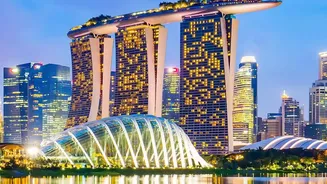
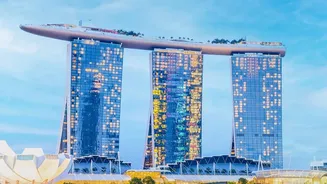
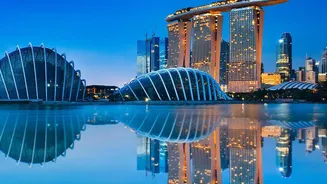
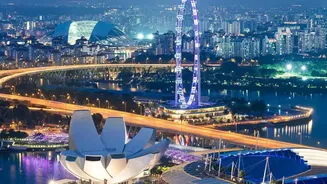
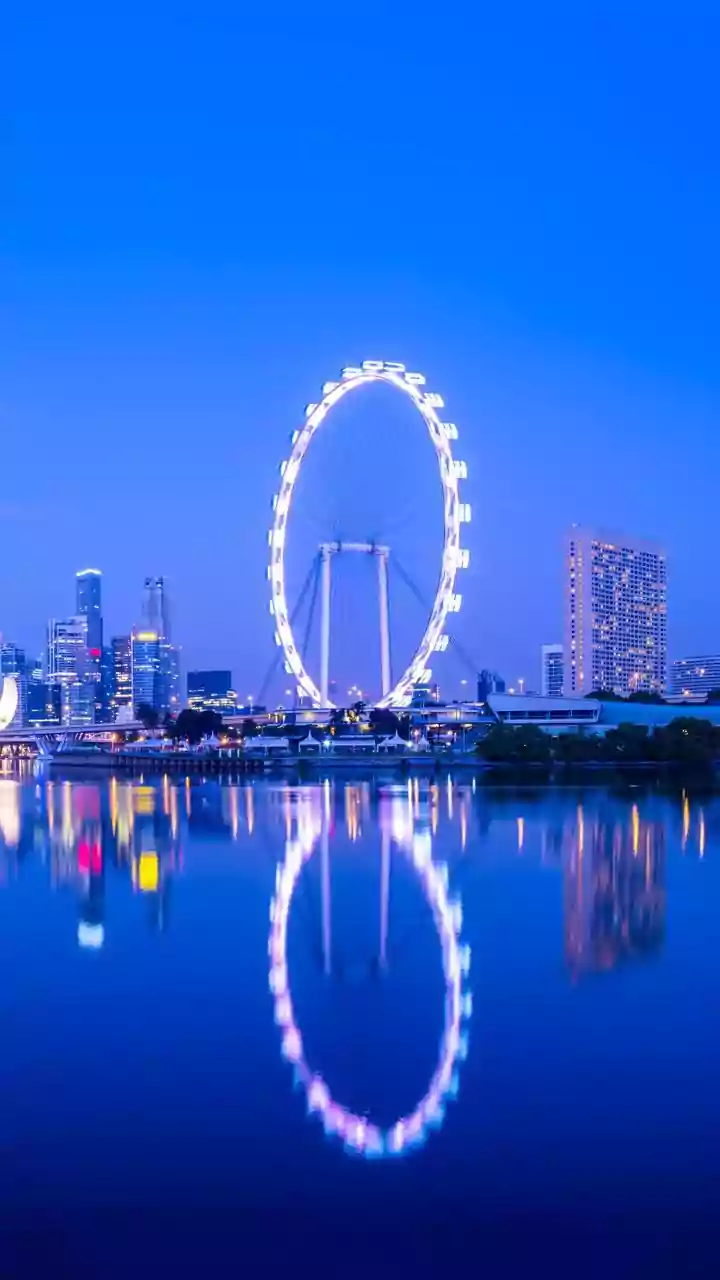
Singapore's appeal to Indian tourists has always been strong, thanks to its reputation for safety, cleanliness, and efficiency. It offers a seamless first taste of international travel, with excellent flight connectivity and a user-friendly public transport system. The availability of Indian food and familiar cultural spaces like Little India provides a sense of comfort, while attractions like Marina Bay Sands, Gardens by the Bay, and Sentosa Island offer world-class entertainment. This blend of the familiar and the futuristic makes it an easy choice for families, solo travellers, and honeymooners alike. The straightforward visa process is another significant advantage, reducing a major point of friction for aspiring international travellers.
The New Indian Traveller: Beyond Sightseeing
The record numbers are not just about more people travelling; they reflect a fundamental shift in what Indian tourists want. The modern Indian traveller is moving away from rushed, checklist-style tourism towards more meaningful and immersive experiences. They are increasingly seeking out destinations that offer more than just landmarks. This includes a vibrant food scene, unique cultural events, live entertainment, and opportunities for MICE (Meetings, Incentives, Conferences, and Exhibitions) travel. Singapore has strategically positioned itself to cater to this new demand. The focus is no longer just on a three-day highlights tour but on encouraging longer stays of four nights or more, promoting repeat visits, and attracting a younger demographic of Millennials and Gen Z.
A Calculated Strategy of Attraction
Singapore's success is no accident. The STB has been actively courting the Indian market with a sophisticated, multi-pronged strategy. This includes high-profile partnerships with travel platforms like MakeMyTrip to promote longer holiday packages. It also involves targeted campaigns aimed at younger travellers, using influencers and digital content to showcase Singapore's dynamic nightlife, music festivals, and lifestyle offerings. By collaborating with Indian personalities and focusing on evolving experiences like cruise tourism with the Disney Adventure and new attractions at Mandai Wildlife Reserve, Singapore ensures that it remains fresh and compelling for both first-time and repeat visitors. This 'always-on' approach keeps the destination top-of-mind and aligned with the evolving tastes of the Indian consumer.