
The Cooling World of Raitas
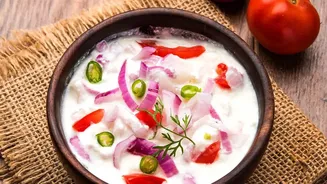
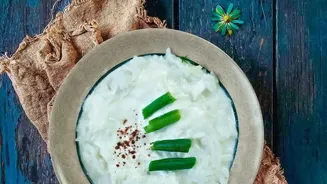
Perhaps the most ubiquitous dahi preparation is the raita, a simple yet essential side dish designed to cool the palate. Raitas are made by combining whisked yogurt with a variety of raw or cooked vegetables, fruits, and spices. The beauty of raita lies
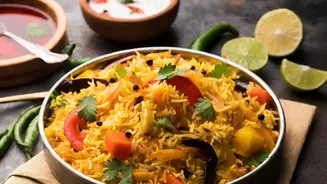
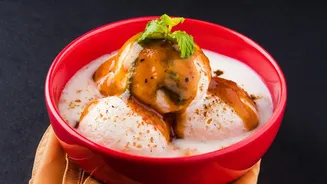
in its endless variety. Classic versions include cucumber, boondi (crispy chickpea flour pearls), and a mix of finely chopped onion and tomato. However, the spectrum is vast, with regional and seasonal variations featuring everything from beetroot and pomegranate to pineapple and mint. Seasoned with roasted cumin powder, black salt, and fresh herbs, a raita provides a refreshing contrast to spicy main courses like biryani and pulao.
Kadhi: The Ultimate Comfort Curry
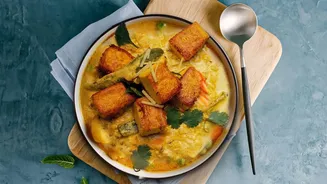
Kadhi is a beloved yogurt-based curry that has countless regional variations across India. At its core, it is a slow-simmered gravy thickened with besan (gram flour) and soured with dahi. The Punjabi version is famously rich and creamy, often containing fried vegetable pakoras (fritters). In contrast, the Gujarati kadhi is lighter and carries a distinct sweet and sour taste from the addition of jaggery. Rajasthani kadhi is known for being spicy, while Sindhi kadhi often incorporates a medley of vegetables and uses tamarind for tartness instead of yogurt. Typically served with steamed rice, kadhi is the quintessential comfort food for many Indian households.
Hearty Gravies: Dahiwale Aloo and More
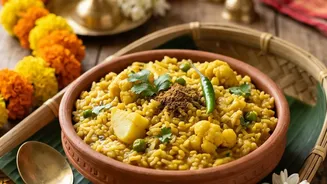
Dahi also forms the base for numerous rich and tangy vegetable gravies, offering a creamy texture without the heaviness of cream. A prime example is Dahiwale Aloo, a popular North Indian dish where boiled or fried potatoes are simmered in a spicy yogurt sauce. This dish is a staple during fasting periods like Navratri, often made without onion or garlic. The key to a perfect dahi-based gravy is to add the whisked yogurt on low heat and stir continuously to prevent it from curdling. Similar preparations can be made with other vegetables like bhindi (okra) in Dahi Bhindi, creating a delicious and tangy main course that pairs wonderfully with rotis or rice.
South Indian Tang: Mor Kuzhambu
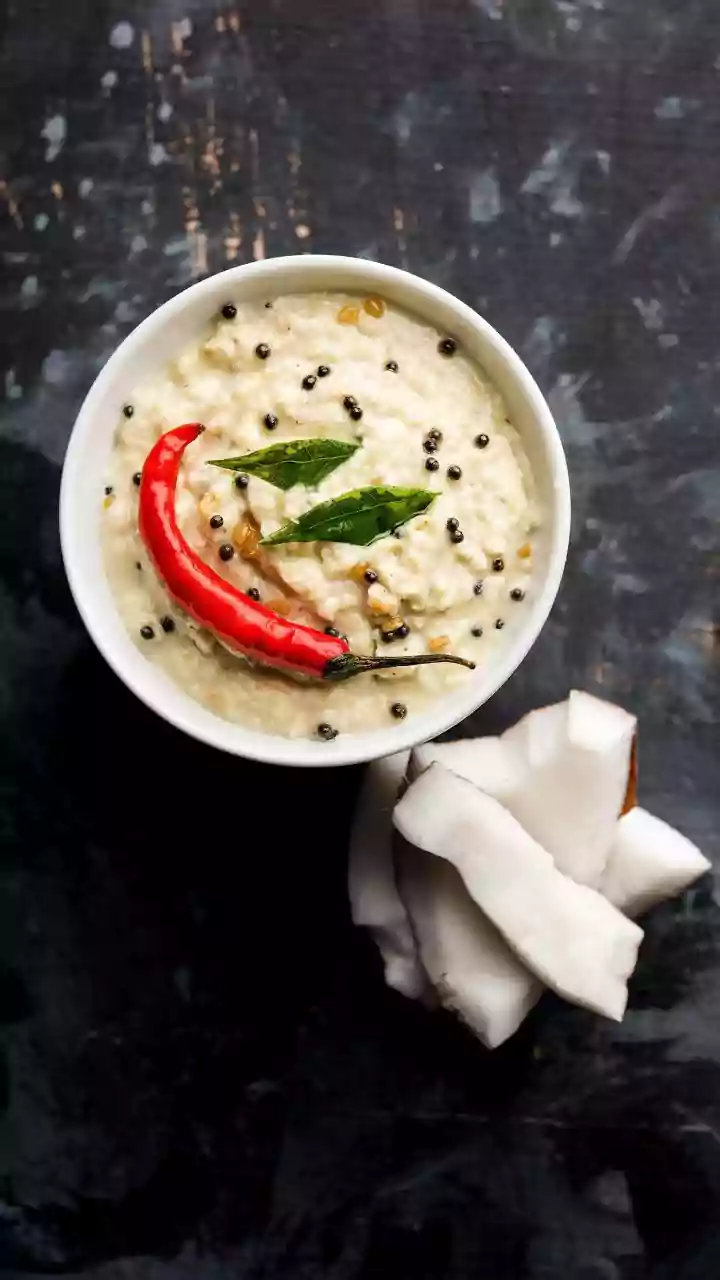
In South India, dahi shines in dishes like Mor Kuzhambu. This traditional Tamil Nadu and Kerala curry is the region's answer to the North Indian kadhi but with a distinct flavour profile. Instead of being thickened with gram flour, Mor Kuzhambu gets its body from a ground paste of coconut, lentils, and spices like cumin and green chillies. This paste is simmered with vegetables such as ash gourd, okra, or eggplant before whisked yogurt is added. The result is a light, cooling, and subtly tangy curry that is a staple in everyday meals and festive feasts, often served with steamed rice.
Beyond the Curry: A Marinade and Tenderiser
The role of dahi is not limited to creating gravies and side dishes. It is a fundamental ingredient in marinades, especially in preparations like tandoori vegetables and paneer. The lactic acid in yogurt acts as a natural tenderiser, while its thick consistency helps spices adhere to the vegetables, creating a flavourful crust when cooked. This process not only imparts a signature tangy flavour but also ensures that the vegetables remain moist and succulent. This function highlights dahi’s ability to work behind the scenes, enhancing texture and taste in a way that is central to many iconic Indian appetisers.