








Understanding the Traffic Plan
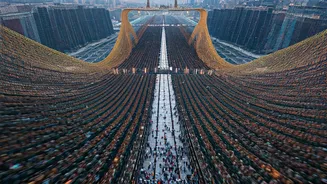
The biggest challenge for any traveller is getting into and around Puri. Authorities will enforce strict traffic diversions. The main artery, Grand Road (Bada Danda), will be a vehicle-free corridor for pedestrians. All private cars and tourist buses
arriving from Bhubaneswar will likely be stopped at the outskirts, near Malatipatpur, and directed to designated parking lots. From there, shuttle services and auto-rickshaws will ferry pilgrims closer to the town center. Expect to walk the final stretch, so travel light and wear comfortable footwear. Police have also collaborated with Google to mark restricted zones on navigation maps to prevent drivers from accidentally entering closed-off areas.
Parking: Where to Leave Your Vehicle
To prevent the chaos of previous years, the administration has set up numerous new parking locations. In total, up to 24 dedicated parking areas are being prepared in and around the city. These are designed to accommodate the massive influx of vehicles. Be prepared for park-and-ride systems; you will not be able to drive directly to your hotel if it is located within the restricted zone. Taxis and ride-hailing services will also be limited to specific drop-off points, beyond which you will need to proceed on foot. It is crucial to arrive at least a day or two before July 16 to settle in before the most severe restrictions kick in.
Navigating the Crowds on Foot
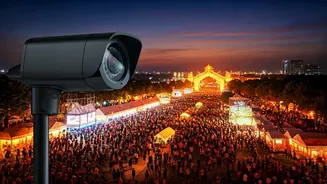
Once you are in the main festival area, the key is to follow official instructions. Police and volunteers will guide pedestrian flow to avoid dangerous overcrowding, a key focus after a stampede in a previous year. Real-time updates on ritual timings will be disseminated to police on the ground, allowing them to manage queues and prevent large congregations from forming. LED screens will be placed at critical points to display instructions and information. For your safety, stay within barricaded zones and follow the designated paths. The administration has identified 28 evacuation points for emergencies.
Health, Safety, and Other Rules
The humid July weather makes health a priority. Carry ample water, wear light cotton clothing, and have an ID with emergency contacts. Authorities will have first-aid stations, ambulance corridors, and even on-site oxygen facilities for those who experience breathing difficulties in the dense crowds. To maintain sanitation, the distribution of cooked food by private organizations on Bada Danda is prohibited; only dry food items are allowed. Look for official information boards that will guide you to authorised food kiosks and clean drinking water outlets. With the risk of monsoon showers, officials have also deployed high-capacity pumps in 30 low-lying areas to prevent waterlogging.
Tips for a Better Darshan
The Rath Yatra is an experience open to everyone, regardless of faith, as the deities come out of the temple for all to see. While non-Hindus are not permitted inside the main Jagannath Temple, the entire procession on the street is accessible to all. For the clearest and safest views, find an elevated spot like a balcony or hotel terrace overlooking the Grand Road. The main procession day on July 16 will be the most crowded, but you can also have a fulfilling experience during the Bahuda Yatra (return journey) on July 24 or the Suna Besha on July 25, which may be slightly more manageable. Booking accommodation months in advance is non-negotiable as the city sells out completely.