




Vietnam's coastline is a mosaic of bustling beaches and tranquil, hidden bays. While the popular spots are easy to access, the real magic lies just beyond. Packing your own light snorkel gear is the key to unlocking these quieter underwater worlds.
The Problem with Rentals
Renting
snorkel gear in tourist hubs like Phu Quoc or Nha Trang seems convenient, but it comes with hidden costs. A typical group snorkeling tour might include gear, but the quality is often basic and the fit questionable. Independent rentals can add up, with daily fees chipping away at your travel budget. Beyond the cost, there's the issue of hygiene—a personal mask and snorkel that only you use offers peace of mind. Furthermore, rental shops are concentrated in tourist centres, tethering you to the most crowded spots. If you discover a pristine, unnamed cove on a scooter ride, you're out of luck without your own equipment. Relying on rentals means snorkeling on someone else's schedule, not your own.
What to Pack: The Essential Kit
Packing 'light' is the operative word. Your essential, non-negotiable items are a well-fitting mask and a snorkel. A leaky mask can ruin an entire outing, so it's worth investing in one that seals perfectly to your face. Many modern snorkels also feature a 'dry top' to prevent waves from flooding the tube. These two items are small and take up minimal luggage space. If you're tight on room, this is the bare minimum you should bring. You can often get by without fins in very calm, shallow bays. However, for exploring a bit farther or dealing with mild currents, travel fins are a game-changer. Many brands now offer short, lightweight fins designed specifically to fit in a carry-on bag, providing that extra power without the bulk of traditional dive fins.
More Than Money: The Freedom Factor
The true benefit of carrying your own gear isn't just financial. It’s about freedom and spontaneity. With your kit in your daypack, every quiet beach becomes a potential snorkeling spot. You're free to explore the less-trafficked parts of islands like Phu Quoc or the Con Dao archipelago on your own terms. There's a unique satisfaction in finding a deserted stretch of sand, wading in, and discovering the marine life that lives there, far from the tour boat buzz. A familiar, comfortable mask and powerful travel fins enhance your safety and enjoyment, allowing you to swim farther with less effort and stay in the water longer. It transforms snorkeling from a scheduled tourist activity into a personal adventure.
Where to Find Vietnam’s Quiet Bays
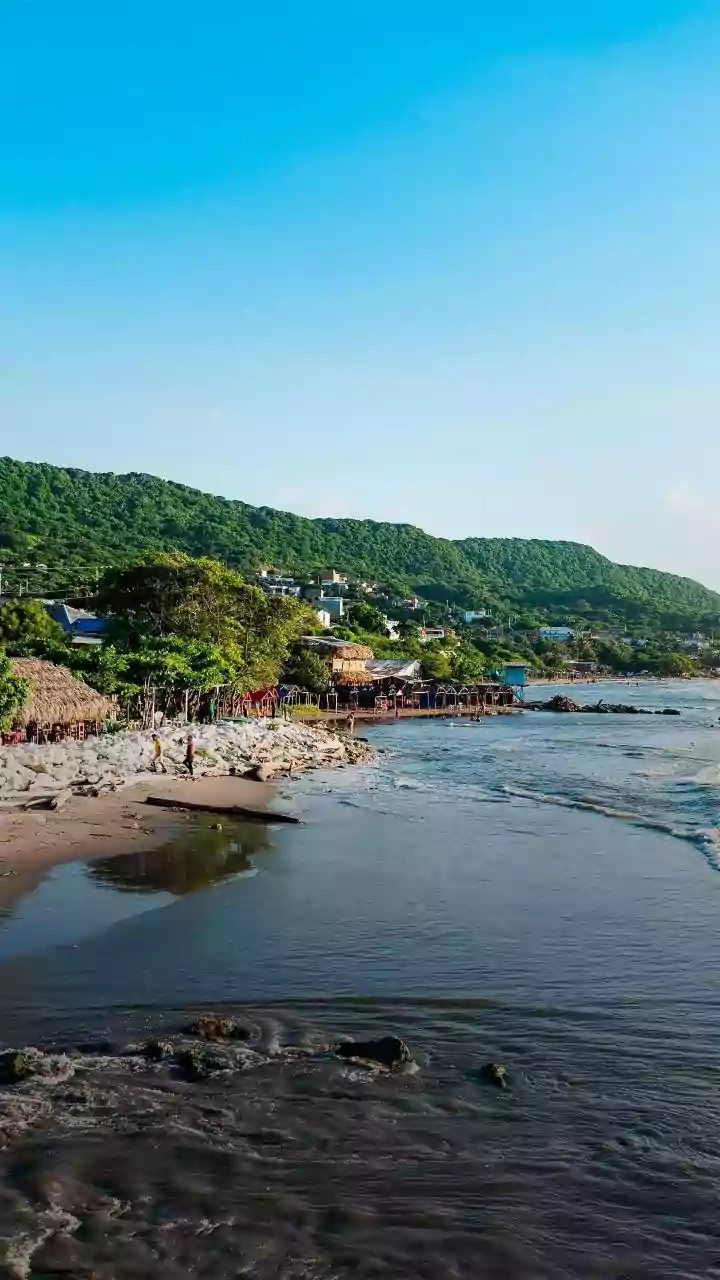
While spots like Nha Trang are famous, Vietnam has quieter alternatives perfect for snorkeling. The Con Dao Islands, a protected national park, boast some of the country's healthiest reefs. While getting there can be more challenging, the reward is pristine water and the chance to see green turtles. The best time to visit Con Dao for calm seas is from March to September. On Phu Quoc, avoid the main tour routes and explore the An Thoi Archipelago independently. Islands like Gam Ghi and Mong Tay offer great coral viewing. For a truly off-the-beaten-path experience, consider Vinh Hy Bay or Phu Quy Island. These areas are less developed for tourism, meaning fewer crowds and a more authentic glimpse into Vietnam’s coastal beauty.
How to Pack It Smart
Packing snorkel gear doesn't have to mean sacrificing half your suitcase. Protect your mask by placing it in a hard case or, to save space, stuffing it with socks and wrapping it in a t-shirt in the centre of your luggage. The foot pockets of your fins are perfect for stashing small items like socks or chargers. Lay the fins flat against the sides of your suitcase to provide a protective structure for your other belongings. A mesh bag is also a great addition; it weighs almost nothing and can be used to carry your wet gear to and from the beach, allowing it to air dry on the way back to your hotel.