




An Uneven and Deficient Monsoon
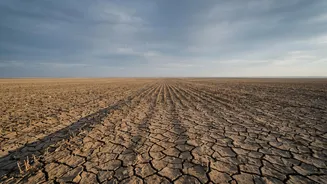
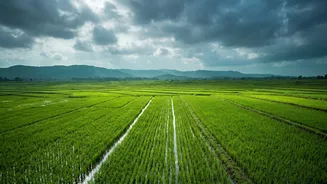
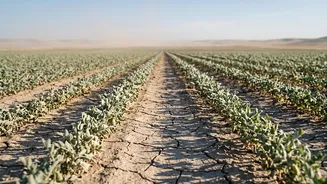
The 2026 southwest monsoon has been erratic, leaving the country with a significant rainfall deficit. By the end of August, the cumulative shortfall for the season was nearly 14% below normal. This was largely driven by a very dry August, which saw 16.3%
less rain than average, making it the warmest August recorded since 1901. The problem isn't just the overall lack of rain, but its uneven distribution. While eastern states like Odisha and Jharkhand have received heavy downpours, other crucial agricultural regions in Peninsular and Western India have remained worryingly dry. With the India Meteorological Department (IMD) forecasting a 'below normal' September, concerns are mounting over the fate of rain-dependent Kharif crops.
The Pulse Predicament
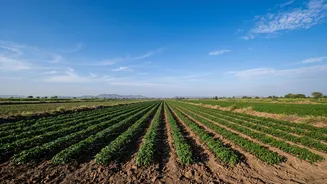
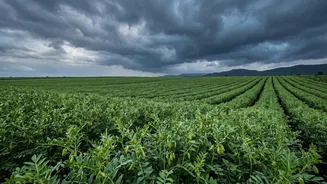
Pulses, a cornerstone of Indian cuisine and protein intake, are particularly vulnerable to the monsoon's performance. The latest data from the Agriculture Ministry shows that while overall sowing of pulses has seen a marginal increase compared to last year, the picture is complex. Key pulse-growing states like Maharashtra and Karnataka have reported a decrease in sowing area due to deficient rainfall. The real concern now shifts from acreage to yield. Insufficient moisture during the critical grain-filling stage can severely stunt crop output, regardless of how much was planted. Analysts are already predicting that a weak harvest of kharif pulses like tur (pigeon pea) and urad (black gram) will tighten domestic supply. This will likely increase India's reliance on imports from countries like Canada and Myanmar to meet demand, especially with the festive season approaching.
Vegetables and Your Kitchen Budget
The impact on vegetable prices is often more immediate and volatile. Unlike pulses, which can be stored, the supply of fresh vegetables is highly dependent on daily arrivals at local mandis. Water scarcity directly affects the growth and quality of vegetables, leading to reduced supply. Recent data from major mandis already shows sharp, albeit fluctuating, price movements for fresh green vegetables. For instance, on August 31, some local markets saw a dramatic single-day price surge, signaling tightening supply conditions and aggressive buying. While these prices can be volatile, a sustained period of dry weather across producing regions could lead to a more generalized and prolonged increase in the cost of staples like tomatoes, onions, and other greens. This pressure on food prices was already visible in July's retail inflation data, where food inflation stood at 5.52%.
The Outlook for the Coming Months
With a forecast for continued weak rainfall in September, the pressure on both crop yields and consumer prices is expected to intensify. The lack of late-season rain not only affects the standing Kharif crops but also impacts soil moisture levels, which are crucial for the sowing of the next rabi (winter) crops like chickpeas and lentils. This could have a cascading effect, potentially influencing food prices well into the next year. While the government has tools to manage prices, such as releasing buffer stocks or adjusting import policies, the market is already reacting to the anticipated shortfall. Analysts suggest that the prices of pulses and edible oils are likely to feel the most significant pressure first. Consumers may need to brace for a period of higher food bills as the full impact of the weak monsoon trickles down from the farm to the marketplace.