





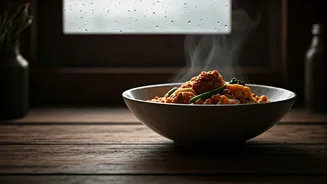


More Than Just a Rainy Day
For most Americans, a rainy day might mean canceling a barbecue or cozying up with a movie. In India, the monsoon is an entire season, a dramatic, country-wide event that dictates life for months. From roughly June to September, torrential rains sweep
across the subcontinent, breaking the oppressive pre-summer heat. Rivers swell, landscapes turn a lush, vibrant green, and the air, thick with humidity, cools. This isn't just weather; it's a powerful atmospheric shift that transforms the sensory world. The rhythmic drumming of rain, the earthy petrichor, the drop in temperature—it all combines to trigger a deep, almost primal response. And for millions, that response is an undeniable urge to eat very specific things.
The Irresistible Call of Fried Food
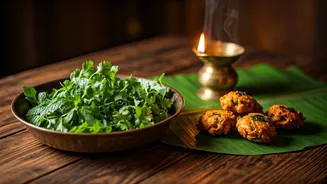
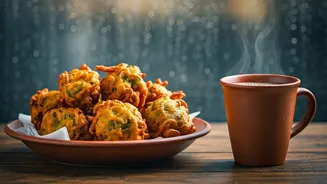
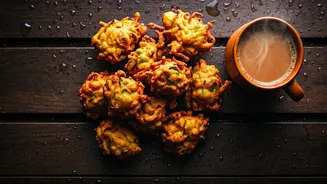
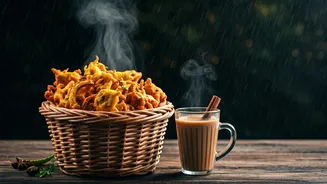
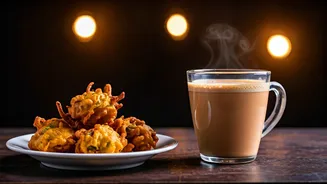
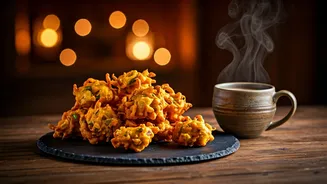
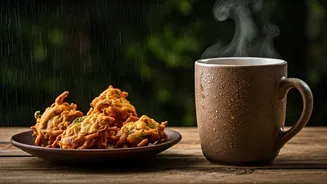
At the heart of monsoon cravings is the desire for something hot, crispy, and savory. Enter the pakora. These are assorted fritters—think sliced onions, potatoes, spinach, or paneer (a firm Indian cheese) dipped in a spiced chickpea flour batter and deep-fried to golden perfection. Served steaming hot with tangy chutney, they offer the perfect textural contrast to the damp, cool air. The sizzle of pakoras hitting hot oil is a quintessential monsoon sound in Indian households. Similarly, the samosa—a triangular pastry filled with spiced potatoes and peas—sees its popularity soar. Grabbing a plate of these fried delights from a street vendor while huddled under an awning is a cherished social ritual, a delicious way to wait out a downpour with friends or family.
A Steaming Cup of Comfort
No monsoon snack session is complete without chai. We’re not talking about the bland, tea-bag-in-hot-water affair. This is masala chai: strong black tea brewed with milk and a heady blend of spices like ginger, cardamom, cloves, and cinnamon. The ginger, in particular, is key. Known for its warming properties in traditional Ayurvedic medicine, it provides a gentle heat that feels incredibly soothing when you’re chilled by the rain. A small, steaming glass of masala chai warms the hands and the soul, its sweet, spicy aroma filling the room. It’s the liquid equivalent of a warm hug, the perfect companion to the pitter-patter of rain against the windowpane.
The Scent of Roasted Corn
Another iconic monsoon flavor comes from the street-side bhutta-wallah. Bhutta is corn on the cob, but roasted over glowing coals until the kernels are tender and slightly charred. The experience is multisensory. First, there's the smoky aroma that cuts through the damp air, drawing you in. After it's roasted, the vendor rubs it with a mixture of salt, chili powder, and a generous squeeze of lime juice. The combination of smoky, spicy, and tangy flavors is electric. Eating bhutta is a beautifully messy, hands-on affair that connects you directly to the season and the street, making it an essential part of the monsoon food landscape.
So, Is There a Science to It?
While nostalgia and culture are huge drivers, there may be a physiological basis for these cravings. The drop in ambient temperature during the monsoon can make the body crave hot, energy-dense foods to maintain its internal temperature—hence the pull towards fried snacks and hot tea. Furthermore, the overcast, gloomy skies can lead to a slight dip in serotonin levels, the body's natural mood stabilizer. Carbohydrate-rich foods, like the potatoes in samosas and the chickpea flour in pakoras, can help boost serotonin production, providing a little lift. The humid weather also weakens our digestion, and traditional wisdom suggests that hot, spicy foods like ginger-infused chai can aid it. Ultimately, it's a perfect storm of psychology, biology, and culture.