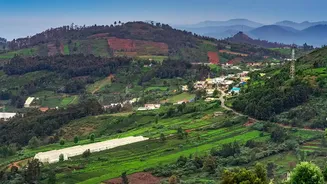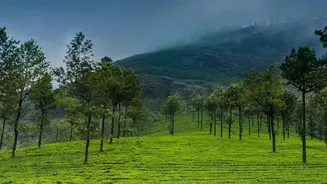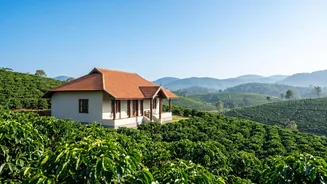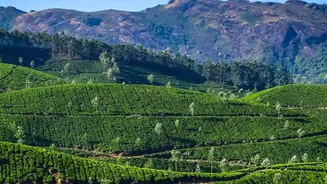





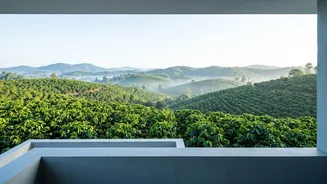

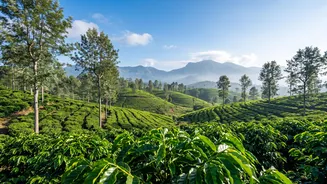
The dream of working from a misty hillside, surrounded by the aroma of fresh coffee, is no longer a fantasy for digital nomads. In Coorg, India's coffee capital, a quiet tech revolution is underway, making this idyllic vision a reality.
The New Reality in India's Coffee Capital
For years, Coorg
(or Kodagu) has been a beloved escape for those seeking tranquility amidst its rolling hills and lush coffee estates. However, for the professional class, it remained a place for temporary digital detoxes, not productive workdays. The primary obstacle was notoriously poor internet connectivity. But that landscape is changing. A growing number of homestays, resorts, and estates have invested in high-speed fiber optic internet, specifically to attract the 'workation' and digital nomad crowd. This shift, which gained momentum as remote work became more common, is turning one of India's most scenic districts into a viable destination for long-term stays.
What 'High-Speed' Actually Means in the Hills
The term 'high-speed' can be subjective, especially in a remote, hilly region. In Coorg, it largely means the arrival of Fiber-to-the-Home (FTTH) services from providers like BSNL, Airtel, and other local operators such as Skynet FTTH. Many properties now guarantee Wi-Fi speeds of 80 Mbps or higher, which is more than sufficient for video conferences, large file transfers, and other demanding online tasks. While mobile data from providers like Jio and Airtel can be reliable in towns like Madikeri, Virajpet, and Kushalnagar, the dedicated fiber lines at plantation stays offer a new level of stability. However, it's wise to confirm the specific internet setup and ask about power backup systems, as intermittent power cuts can still be a factor, particularly during the monsoon season.
Where to Find These Connected Havens
The trend is most prominent among boutique homestays and upscale resorts that cater to discerning travelers. Places like Hatti Eden and The River Homestay explicitly advertise their workcation-readiness, highlighting reliable Wi-Fi as a key feature. Booking platforms specializing in work-friendly stays also list numerous Coorg properties, complete with verified internet speeds and details on dedicated workspaces. These accommodations are often situated within working coffee estates, offering an immersive experience. Unlike bustling digital nomad hubs, Coorg offers a quieter, more focused environment, appealing to those who prioritize deep work and nature over a busy social scene.
Life Beyond the Wi-Fi Signal
The appeal of Coorg extends far beyond a stable internet connection. When the laptop closes, the region offers a wealth of experiences. The cooler climate and clean air are a welcome respite from city life. After-work hours can be spent walking through coffee and spice plantations, exploring scenic trails leading to viewpoints and waterfalls like Abbey Falls, or visiting the nearby Dubare Elephant Camp. The local Kodava cuisine is another major draw, with many homestays offering home-cooked meals that provide an authentic taste of the region. This blend of productivity and serene leisure is what defines the Coorg workation experience, offering a chance to reset mentally and physically without falling behind on professional commitments.
The Practicalities: Costs and Considerations
Compared to metropolitan hubs, Coorg can be a relatively affordable destination for a long-term stay, although it is not a budget backpacker's paradise. Monthly costs for a comfortable lifestyle can range from ₹25,000 to ₹60,000, largely dependent on your choice of accommodation. Many properties offer discounted rates for weekly or monthly stays. The best time to visit is from October to March, when the weather is pleasant and post-monsoon freshness hangs in the air. While India does not yet offer a specific digital nomad visa, tourists can typically stay for 90 to 180 days at a time, depending on their nationality, making extended workcations feasible. It is always advisable to book accommodation in advance, especially during peak season, and to have a frank conversation with your host about your connectivity and workspace needs before you arrive.