





The Numbers Behind the Rain
For decades, the Indian hospitality calendar was predictable: a deep slump from June to September. That calendar is now being rewritten. According to recent data from online travel platforms, the monsoon of 2026 is seeing an unprecedented boom. Travel
portal Cleartrip reported that hotel bookings during this monsoon have surged by nearly 54% year-on-year. Other platforms show even more dramatic regional spikes, with bookings for hill stations like Munnar and Mussoorie growing nearly tenfold compared to the previous year, according to data from Scapia. Major hotel chains are confirming the trend; Radisson Hotel Group, for instance, noted that its July bookings are pacing almost 10% ahead of last year. This isn't just a minor uptick; it's a fundamental shift, signalling the end of the traditional 'off-season' and heralding a new, robust travel period.
What's Driving the Downpour of Tourists?
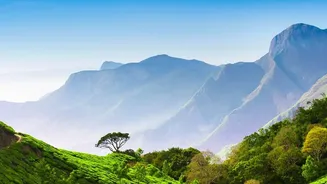
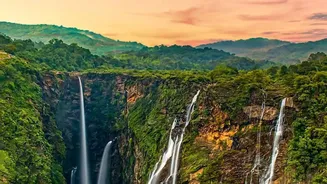
Several factors are converging to fuel this trend. The primary driver is a new generation of Indian travellers—millennials and Gen Z—who prioritise experiences over perfectly sunny weather. They are drawn to the lush, green landscapes, rejuvenated waterfalls, and cooler temperatures that the monsoon brings. The rise of flexible work arrangements has also been a major catalyst. With 'workations' and 'bleisure' trips becoming commonplace, travellers are no longer tethered to traditional holiday calendars. This allows them to escape cities for shorter, more frequent breaks throughout the year. Hotels have been quick to adapt, replacing deep discounts with curated experiences. Instead of just trying to fill rooms, they are now marketing wellness retreats, spa packages, and indoor activities, effectively selling the unique charm of the rainy season itself. This proactive marketing has turned what was once a period of avoidance into one of aspiration.
Hotspots Bloom in the Wet Weather
While classic destinations remain popular, the monsoon surge is also creating new hotspots. The Northeast has emerged as a breakout star, with Nagaland and Arunachal Pradesh seeing hotel bookings climb by more than 90%. In the south, the Western Ghats continue to be a stronghold. Wayanad in Kerala recorded a staggering 160% increase in hotel bookings, with nearby Alleppey growing by over 145%. Even established destinations are seeing renewed monsoon interest. Goa, where hotel tariffs once dropped by over 20% during the rains, is now seeing resilient pricing due to sustained demand, with hotel bookings up over 110%. Similarly, searches for hill stations like Rishikesh and Mussoorie have grown by over 200% and 160% respectively, as travellers seek out misty mountain views and spiritual escapes. This diversification of destinations shows a broadening of the Indian travel map, driven by a desire for unique seasonal experiences.
A New Reality for Hotels and Travellers
This shift has significant implications for both sides of the travel equation. For the hospitality industry, it provides a crucial new revenue stream, smoothing out the extreme seasonal highs and lows. Hotels can now maintain healthier occupancy rates and stronger pricing power year-round, leading to better financial stability. This is reflected in industry-wide reports, which show a strong increase in Revenue Per Available Room (RevPAR). For travellers, the picture is more complex. While the monsoon still offers better value compared to the peak winter season, the era of deep, last-minute discounts is fading. Popular destinations and boutique properties get booked up faster, meaning travellers now need to plan their rainy-season getaways further in advance. The trade-off for experiencing these destinations at their greenest is a slight loss of spontaneity and the rock-bottom prices of the past.