


Mahendra Singh Dhoni: The Master of Calm
When you think of a finisher, one name inevitably comes to mind: Mahendra Singh Dhoni. More than his statistics, Dhoni’s legacy is built on an unshakable calm and a simple, yet devastating, philosophy: take the game to the final over. He wasn't just a batsman;
he was a master psychologist who knew how to absorb pressure and transfer it onto the bowler. The most iconic example remains the 2011 World Cup final. That match-winning six is etched into India’s collective memory, a perfect summary of his career—confident, decisive, and ultimately, victorious. But there were countless other times he steered India home. His unbeaten 183 against Sri Lanka in 2005 was an early announcement of his brutal power, a knock that is still the highest score by a wicketkeeper in ODIs. Then there was the 2013 tri-series final against Sri Lanka, where he smashed 15 runs in the final over with only one wicket left, turning an impossible situation into a famous win. For Dhoni, finishing wasn't about frantic hitting from ball one; it was about control, calculation, and the unshakeable belief that as long as he was at the crease, the match was never truly over.
Virat Kohli: The Architect of the Chase
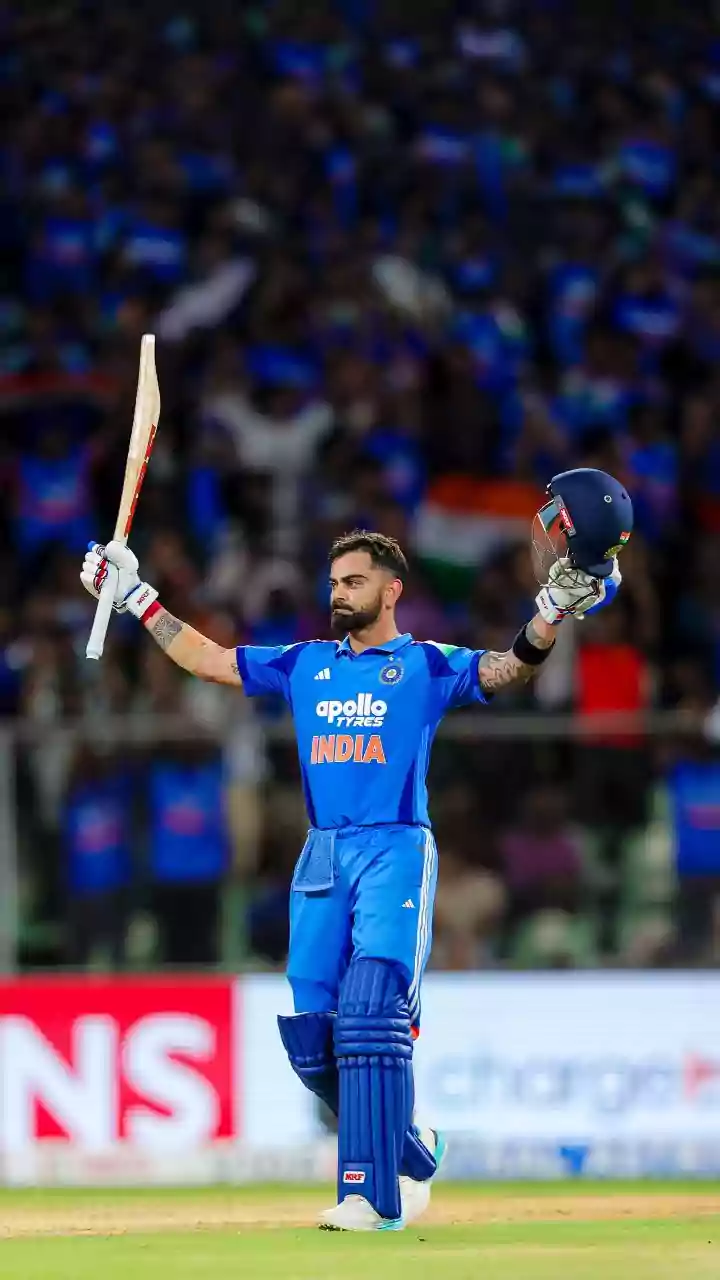
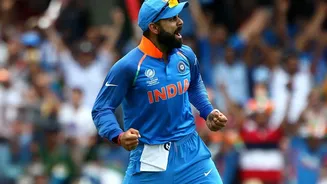
While Dhoni was the master of the nail-biting finale, Virat Kohli perfected the art of making a run-chase look like a foregone conclusion. Kohli isn't a traditional finisher in the lower-order mould; he is a top-order batsman who architects chases with surgical precision. His numbers in successful run-chases are staggering, with an ODI average that soars past 89. He doesn't just score runs; he dismantles targets. In successful ODI chases of over 300 runs, his average is an unbelievable 121.22. One of his most defining innings came against Sri Lanka in Hobart in 2012, where he scored an unbeaten 133 off just 86 balls to help India chase down 321 inside 40 overs. Another came against Australia in 2013, when he blasted a 52-ball century, which remains the fastest ODI hundred by an Indian. His method involves minimising risks, turning ones into twos, and punishing bad deliveries, ensuring the required run rate never spirals out of control. Australian great Steve Smith himself once called him "arguably the best chaser the game has seen".
Yuvraj Singh: The Power-Hitting Phenom
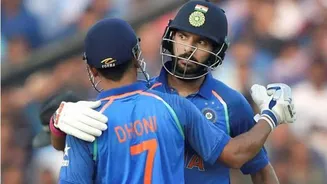
Yuvraj Singh brought a different flavour to the finisher’s role: pure, unadulterated power. When he was in full flow, no boundary felt big enough. His most legendary moment came in the 2007 T20 World Cup, when he famously hit Stuart Broad for six sixes in a single over. That innings, where he reached a fifty in just 12 balls, was a defining moment for T20 cricket and showcased his ability to change a game in minutes. But Yuvraj was more than just a six-hitter. He was a big-match player who delivered under immense pressure. His crucial unbeaten 57 against Australia in the 2011 World Cup quarter-final, while battling illness, was a testament to his grit. He often formed formidable partnerships with Dhoni, creating a lower-middle order that could both rebuild and explode. His match-winning 69 in the 2002 NatWest Series final at Lord's was an early glimpse of the clutch player he would become, helping India chase a massive target of 326 from a precarious position.
The New Guard: Fearless and Explosive
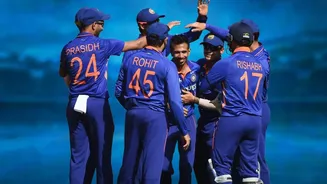
The legacy of finishing in Indian cricket continues with a new generation of players who bring their own unique styles. Hardik Pandya has emerged as a key finisher, known for his fearless, power-packed game. He combines the ability to clear the ropes with ease and a valuable bowling option, making him a complete package in white-ball cricket. And who can forget Dinesh Karthik's heroics in the 2018 Nidahas Trophy final? Needing five runs off the last ball, Karthik smashed a flat six over cover to clinch a victory that seemed lost. His stunning cameo of 29 runs from just eight balls encapsulated the high-stakes drama of the T20 finisher's role, where a few moments of brilliance can snatch victory from the jaws of defeat. These players show that while the names and faces may change, the demand for cricketers who can win a match at the death remains a vital part of India's success.