





Why 'Cleaner' Doesn't Mean 'Tasteless'
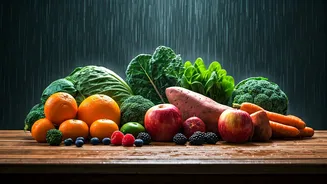
The word “clean” has become loaded, often suggesting bland salads and joyless meals. But the true spirit of clean eating is simply about choosing ingredients that are closer to their natural state and prepared in ways that preserve their nutritional value.
It’s not about deprivation; it’s about optimisation. Think of it as upgrading your favourite dishes from standard definition to high definition. The flavours can become richer, the textures more interesting, and the after-effects—sustained energy, better digestion, and a lighter feeling—make the experience far more rewarding.
Upgrading Your Snack Game
Evening snack time is often where good intentions crumble. The craving for something crunchy, savoury, and satisfying is universal. Instead of fighting it, let’s rework it. Take the beloved samosa. Traditionally deep-fried and made with refined flour (maida), it can leave you feeling heavy. The cleaner version? A baked samosa using a whole wheat (atta) or multigrain pastry. The filling remains the same flavourful mix of spiced potatoes and peas, but you cut down significantly on unhealthy fats and gain the benefits of fibre from whole grains. Similarly, instead of deep-fried pakoras, try using an air fryer. You’ll get that satisfying crunch with a fraction of the oil, making it a snack that energises rather than drains.
Reimagining Main Courses
Comfort food is often synonymous with carb-heavy main courses like biryani, pasta, or pav bhaji. But these classics are prime candidates for a clean makeover. For biryani, swap out polished white rice for brown basmati rice. It has a lower glycemic index, meaning it releases energy more slowly, preventing that post-meal slump. Plus, its nutty flavour adds a new dimension to the dish. When it comes to pasta, whole-wheat or chickpea-based options are now widely available. They pack more protein and fibre, making your meal more satiating. And for pav bhaji? Ditch the butter-soaked white bread pav for a whole-wheat version. You can also bulk up the bhaji itself with more fibre-rich vegetables like beetroot, carrots, and pumpkin, boosting its nutritional profile without compromising on that iconic taste.
Sweet Endings Without the Sugar Crash
Dessert is non-negotiable for many, but refined sugar is a major culprit in modern diets. To make your sweets more useful, focus on the source of sweetness. Instead of white sugar, experiment with natural alternatives like jaggery (gur), dates, or a touch of pure maple syrup. These options are not “free” calories, but they do come with trace minerals and a less dramatic impact on blood sugar. For example, a kheer or payasam made with jaggery has a deeper, more complex flavour than its sugar-based counterpart. Or, try making a “nice cream” by blending frozen bananas with a splash of milk and a little cocoa powder. It’s creamy, sweet, and satisfying, but it’s made entirely from fruit.
The Power Is in the Preparation
How you cook is just as important as what you cook. Simple shifts in technique can make a huge difference. Steaming, baking, roasting, and air-frying are all excellent methods that require minimal oil while concentrating flavour. When you do use oil, opt for healthier, unrefined options like cold-pressed mustard, coconut, or groundnut oil for cooking, and extra virgin olive oil for drizzling. Sautéing your masalas in a little water or broth before adding a touch of oil can also reduce the overall fat content significantly. These small adjustments add up, turning your everyday meals into powerful tools for better health.